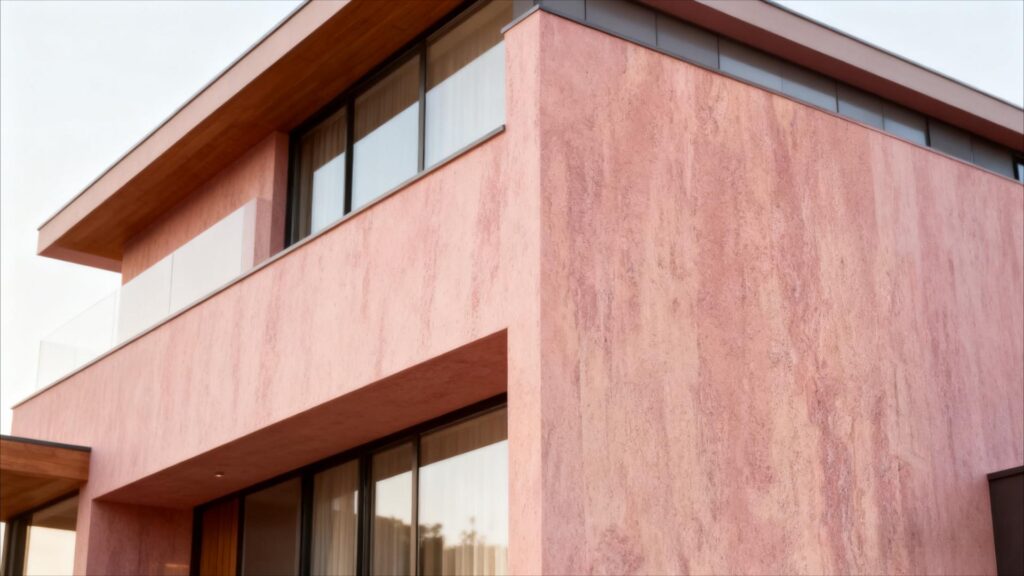
The architectural landscape is witnessing a transformative shift in surfacing materials, driven by technological innovations that redefine both aesthetics and functionality. As construction projects grow more complex and client expectations escalate, understanding these material advancements becomes crucial for making informed specification decisions. This analysis examines five pivotal developments in soft porcelain technology that are setting new standards in modern architecture. From seamless spatial solutions to engineered performance characteristics, these trends represent more than surface-level changes—they embody a fundamental evolution in how we approach building envelope design and interior environments. The insights presented here draw from extensive manufacturing expertise and real-world application experience, providing a comprehensive overview of where surface technology is heading and why these developments merit serious consideration in your next project.
Oversized Slabs for Seamless Spatial Flow
When you enter a space finished with oversized slabs, the difference is immediately noticeable. The room gains a sense of tranquility, spaciousness, and undeniable luxury. This isn’t a coincidence. Traditional tiles, marked by their grid of grout lines, inherently disrupt the visual continuity of surfaces. These seams don’t just make compact areas feel more cluttered and confined—they create permanent grooves that inevitably trap dirt and retain moisture over years of use.
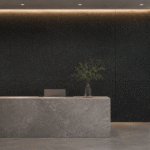
The transition to large-format panels, with some products reaching 3000 by 1200 millimeters, directly responds to these limitations. By minimizing joints, these slabs establish a nearly seamless, monolithic surface that visually expands interiors and strengthens design coherence. This effect is particularly impactful in settings that prioritize openness and sophistication—think open-plan living spaces, corporate lobbies, and upscale retail environments.
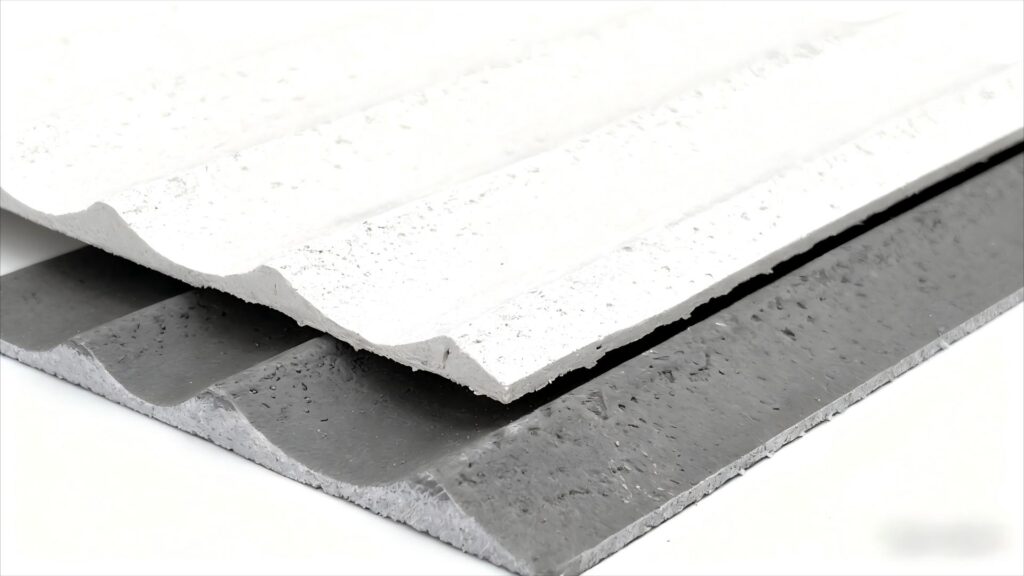
Producing these large panels demands specialized knowledge to ensure dimensional stability. Our manufacturing process begins with a controlled moderate-temperature process where resins bond to form what we call a “flexible blank”—a remarkably slim base material just 2.5 to 8 millimeters thick. This lean profile is fundamental to the product’s lightweight nature and installation versatility.
After the base is formed, each panel moves to surface finishing. Here, advanced printing technology applies a base coat that replicates an extensive variety of authentic textures—from the subtle veining of natural stone and realistic wood grains to the distinctive patterns of leather and woven linen—while introducing rich, durable color. The final stage involves a precise drying cycle at 70–100°C for 30–100 minutes, which permanently sets the finish and ensures the panel maintains its shape and properties over time.
In addition to production, logistics also brings another challenge. The packaging is made of wooden boxes and each product is separated by bubble wrap inside to protect the entire supply chain and ensure that it arrives at the site ready for installation.
Natural Material Authenticity and Biophilic Design
The difference between a space that simply functions and one that truly inspires often comes down to the materials selected. Industry studies consistently reveal that environments incorporating natural elements contribute to improved occupant well-being and satisfaction. This understanding has transformed how we approach material specification, shifting focus from mere aesthetics to creating spaces that resonate on a deeper, more human level.
Modern soft porcelain technology has evolved to meet this demand for authentic natural aesthetics without compromising performance. The challenge has always been finding materials that deliver the warmth and character of natural wood and stone while maintaining the practical benefits required for demanding applications.
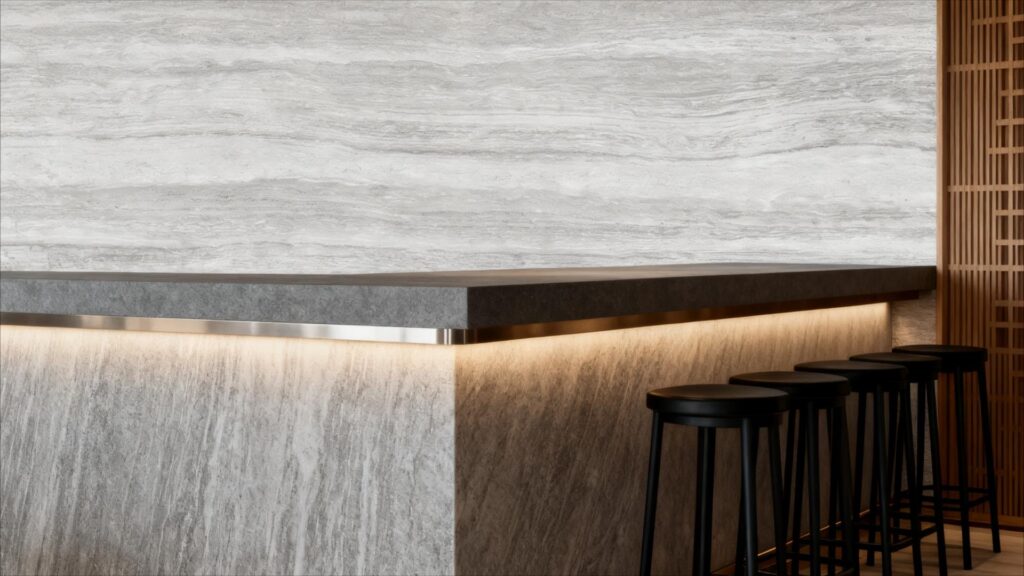
What sets today’s advanced soft porcelain apart is the remarkable fidelity in both visual and tactile reproduction. Through precision printing technology, manufacturers can replicate not just the obvious patterns but the subtle characteristics that make natural materials unique – the mineral variations in marble, the growth patterns in wood, and the weathered textures of natural stone. More importantly, the surface engineering creates corresponding tactile experiences, where the texture aligns perfectly with the visual pattern to create a convincing sensory experience.
From a technical performance perspective, these materials offer:
- Certified fire resistance meeting international safety standards
- Complete water resistance with minimal absorption rates
- Excellent dimensional stability
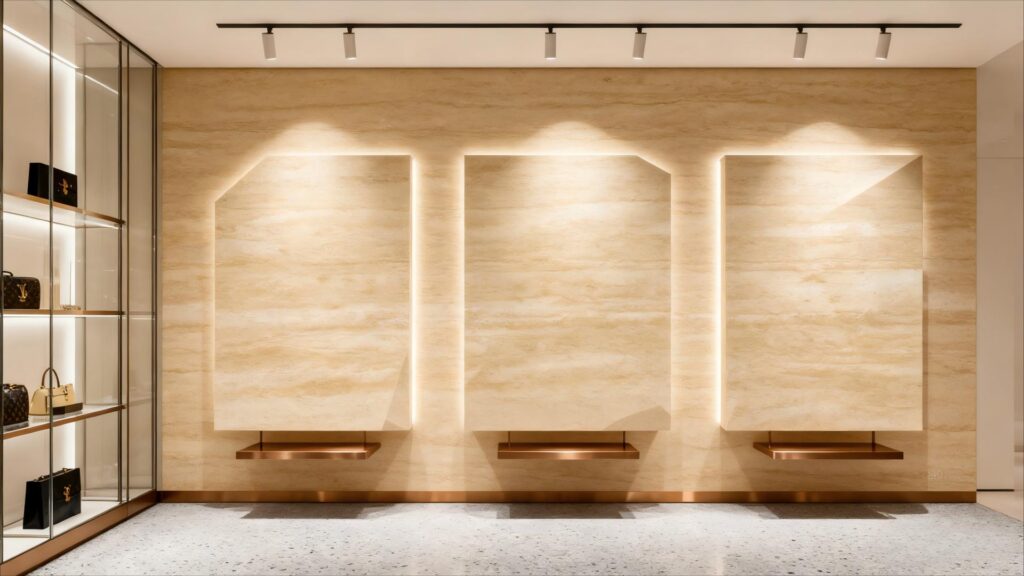
The available patterns now encompass everything from classic marbles and oaks to more distinctive finishes like weathered teak, travertine, and artisan concrete. When evaluating these materials, viewing full-size samples in the intended installation environment provides the most accurate representation of how light interacts with both color and texture.
The combination of authentic natural aesthetics with proven performance characteristics makes these solutions particularly valuable for spaces where both beauty and functionality are paramount. The ability to create environments that feel genuinely connected to nature, while delivering the consistency and reliability of manufactured materials, represents a significant advancement in surfacing solutions. This approach demonstrates how technical innovation can work in harmony with natural inspiration to create spaces that are both beautiful and built to last.
Sustainable Manufacturing and Circular Economy
The conversation around building materials has fundamentally changed. It’s no longer just about how a product looks or performs initially, but about its entire story—where it comes from, how it’s made, and what happens at the end of its long life. This shift towards a circular economy is redefining value in the construction industry.
For those making procurement decisions, this means looking beyond the sample and delving into the manufacturing process itself. Sustainable soft porcelain addresses this by integrating circular principles right from the start. A key example is the use of recycled content; many premium lines now incorporate significant percentages of pre-consumer and post-industrial material, directly reducing the demand for virgin raw materials and diverting waste from landfills.
The manufacturing process itself is a focus for efficiency gains. Modern facilities often employ advanced systems that recycle nearly all processed water. Furthermore, technologies like kiln heat recovery capture waste energy to reduce the overall carbon footprint of production. This operational efficiency isn’t just good for the environment—it often translates to more consistent and advanced manufacturing.
This level of commitment requires verification. That’s where third-party certifications become invaluable. Environmental Product Declarations (EPDs) provide a standardized, transparent report card on a product’s environmental impact across its entire lifecycle . For indoor air quality, the GREENGUARD certification program tests and verifies that products meet strict limits for chemical emissions, ensuring they contribute to a healthier indoor environment .
These documents are more than just badges; they are essential tools for project planning. When targeting green building certifications like LEED, which recognizes multi-attribute certifications , or BREEAM, this verified data is indispensable for earning credits. It provides the hard evidence needed to validate the sustainability claims of any project, making the choice of certified materials a strategic one for achieving broader environmental, social, and governance (ESG) goals and future-proofing building assets.
Tactile and Textured Surfaces for Sensory Appeal
The true measure of a space is often found not just in how it looks, but in how it feels. While glossy, uniform surfaces have their place, many of today’s most memorable interiors are embracing texture as a fundamental design element. This shift toward tactile soft porcelain reflects a growing understanding that surfaces should engage multiple senses to create truly immersive environments.
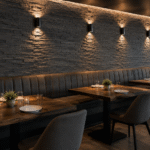
What makes textured finishes so compelling is their dynamic interaction with light. Whether it’s a subtle linen-like weave, gentle ripples reminiscent of water, or more pronounced three-dimensional patterns, these surfaces transform throughout the day as light angles change. This creates a living quality that flat surfaces simply cannot replicate, adding depth and character that makes each space unique.
When considering textured surfaces, maintenance questions naturally arise. Will intricate patterns trap dirt and complicate cleaning? Our technical approach addresses this concern at the fundamental level. Through advanced glaze formulation, we create surfaces that maintain their textured character while being remarkably easy to maintain. The secret lies in creating textures that are dramatic to the eye yet micro-smooth to the touch, preventing dirt accumulation while preserving the visual depth.
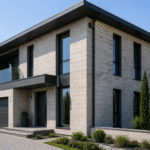
These technical advancements make textured soft porcelain suitable for diverse applications. The combination of visual interest and practical durability works equally well for commercial feature walls that need to make a statement, exterior cladding that must withstand weather elements while maintaining aesthetic appeal, and residential spaces where personal expression meets everyday functionality. The result is surfaces that don’t just look beautiful but create lasting impressions through their physical presence and interaction with their environment.
Engineered Performance for Specific Applications
The fundamental approach to surface materials has evolved significantly. Today’s projects require solutions that deliver not just aesthetic appeal but proven technical performance tailored to specific environmental challenges. This shift recognizes that surfaces must be engineered to perform under precise conditions, whether facing extreme weather, moisture exposure, or temperature variations.
Advanced soft porcelain technology now enables precise engineering of material properties to address distinct environmental demands:
Comprehensive Water and Moisture Resistance
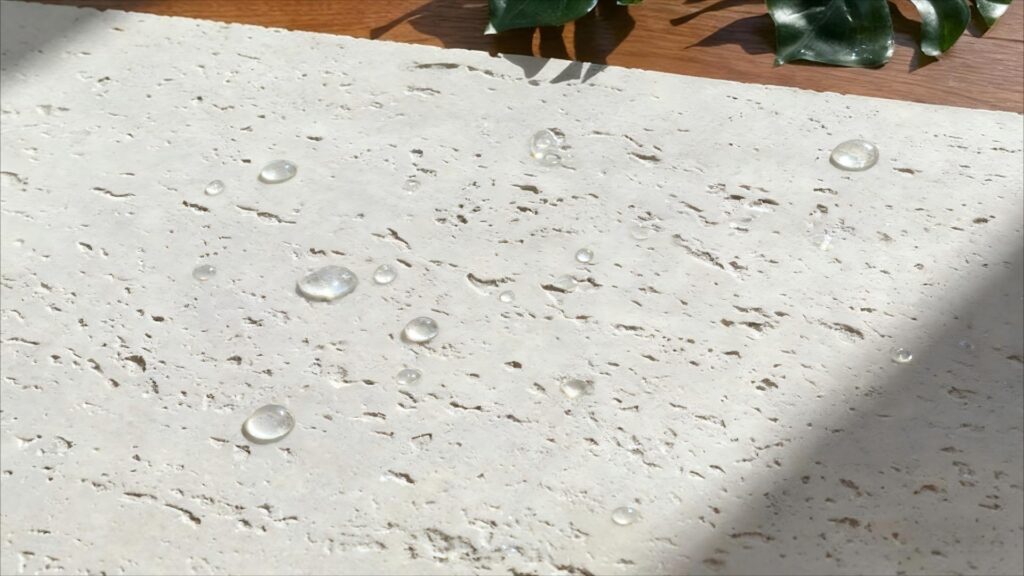
The material’s non-porous nature creates an effective moisture barrier, with water absorption rates consistently below 0.5%. This characteristic makes it particularly suitable for areas exposed to continuous moisture or high humidity conditions, maintaining structural integrity where other materials might degrade.
Enhanced Fire Safety Performance
Through specialized manufacturing processes, these surfaces achieve excellent fire resistance ratings. The inorganic composition provides inherent resistance to flame spread, contributing to improved building safety while meeting stringent regulatory requirements.
Superior Weather and Climate Durability
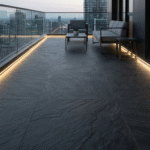
Engineered for exterior applications, these surfaces demonstrate exceptional resistance to environmental factors. The material maintains its structural and aesthetic properties through extended UV exposure, temperature extremes, and challenging weather patterns, ensuring long-term performance in outdoor settings.
Reliable Freeze-Thaw Resistance
For regions experiencing seasonal temperature fluctuations, the material’s proven resistance to freeze-thaw cycling prevents damage from repeated freezing and thawing conditions. This capability ensures surface integrity is maintained through winter months and seasonal transitions.
Chemical and Corrosion Resistance
The dense surface structure provides effective resistance to various chemical substances, including acids, alkalis, and industrial pollutants. This makes the material suitable for applications where surface exposure to chemicals or corrosive elements is a consideration.
Each performance characteristic is validated through independent laboratory testing according to international standards. The availability of comprehensive test reports provides technical verification for design professionals, enabling informed material selection based on documented performance data rather than generalized claims. This evidence-based approach ensures surfaces are selected according to their proven capabilities for specific application requirements.
Leverage These Trends for Your Competitive Advantage
The five transformative trends in soft porcelain – seamless spatial flow through oversized slabs, authentic natural aesthetics, certified sustainable manufacturing, engaging tactile surfaces, and engineered technical performance – represent more than temporary style shifts. Together, they form a comprehensive framework for specifying materials that deliver lasting value.
These advancements address the core requirements of contemporary projects: creating spaces that are visually cohesive, psychologically comforting, environmentally responsible, sensorially rich, and technically resilient. This integrated approach moves beyond superficial aesthetics to solve fundamental design and performance challenges.
The availability of verified technical documentation, including test reports for critical properties like water resistance, fire safety, and freeze-thaw durability, provides the necessary confidence for specification. This evidence-based approach ensures that design aspirations are matched by proven performance, creating built environments that are not only beautiful today but remain durable and relevant for years to come.