
Your Trusted WPC Wall Panels Manufacturer
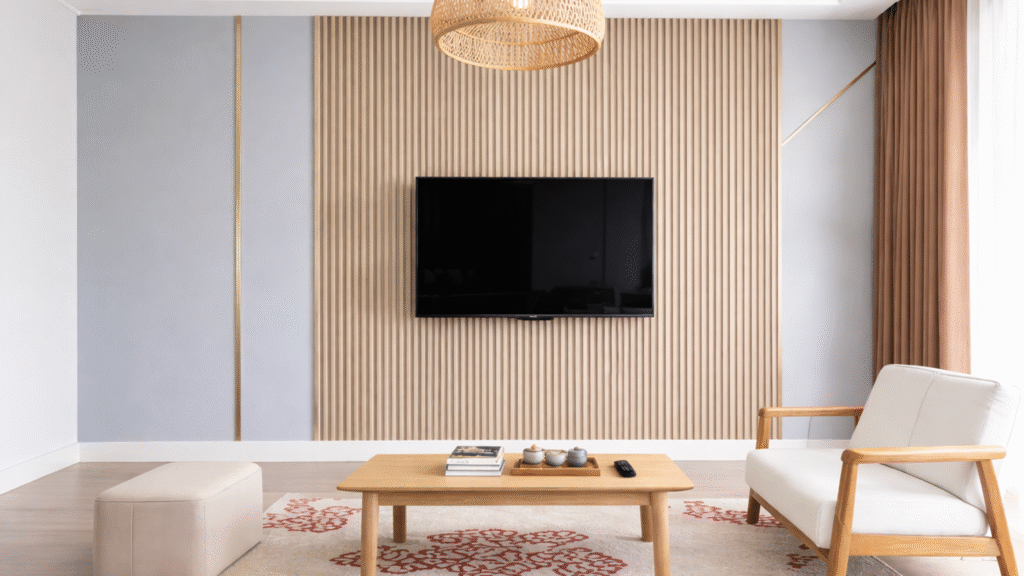
A Reliable WPC Wall Panel Manufacturer
Duolong Trade manufactures WPC wall panels for interior wall cladding and exterior decorative applications where a wood appearance is required, but traditional timber materials are not always practical. Our customers include building material wholesalers regional distributors importers and contractors who need a decorative wall system that is easier to transport install and maintain compared with solid wood or traditional wall finishes. WPC wall panels are commonly used for feature walls ceiling systems retail interiors office interiors hotel projects residential renovation and selected exterior cladding areas especially where installation efficiency surface durability and consistent appearance are important.
Our WPC wall panels are produced using wood plastic composite materials that combine wood fiber and polymer resins to create panels suitable for interior and exterior environments. The surface is designed to provide a natural wood texture appearance while maintaining resistance to moisture deformation and everyday wear. We supply a range of WPC wall panel styles including fluted wall panels flat wall panels and exterior cladding boards along with practical formats such as standard length panels and cut to size programs for projects that require faster installation and reduced on site cutting work.
For interior and exterior wall applications buyers usually focus on practical details such as panel dimensions surface finish consistency installation structure and how the panels perform under routine cleaning humidity and temperature changes. We maintain routine production checks and batch records so distributors and project buyers can manage repeat orders and maintain consistent appearance across multiple shipments and project phases. When required for project approval we can provide export documentation packages including product datasheets packing details and available third party test or reference documents depending on the product type and destination requirements.
Products
Fluted WPC Wall Panel
Flat WPC Wall Panel
WPC Wall Cladding
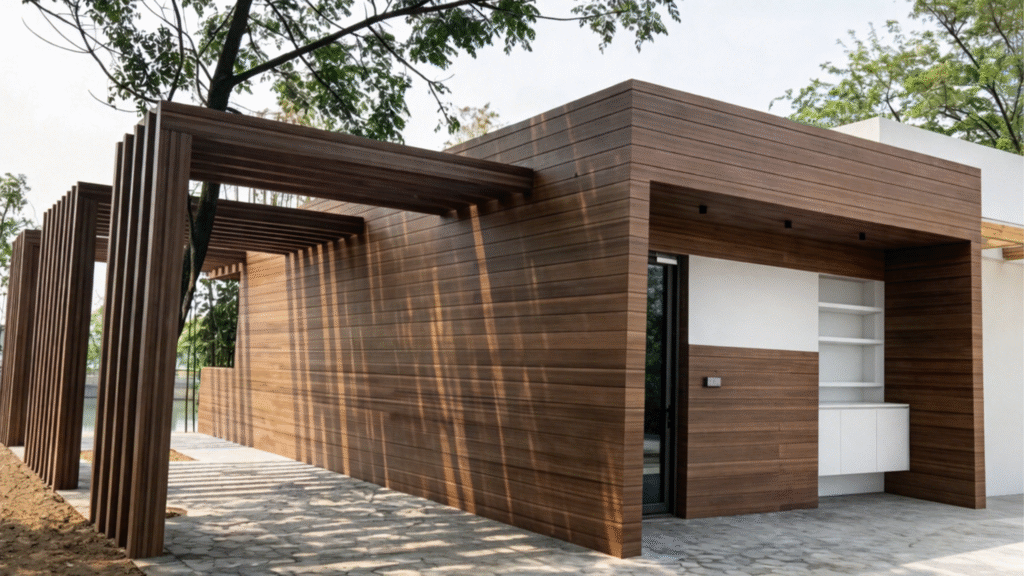
Co-extrusion WPC Cladding
Our Advantages

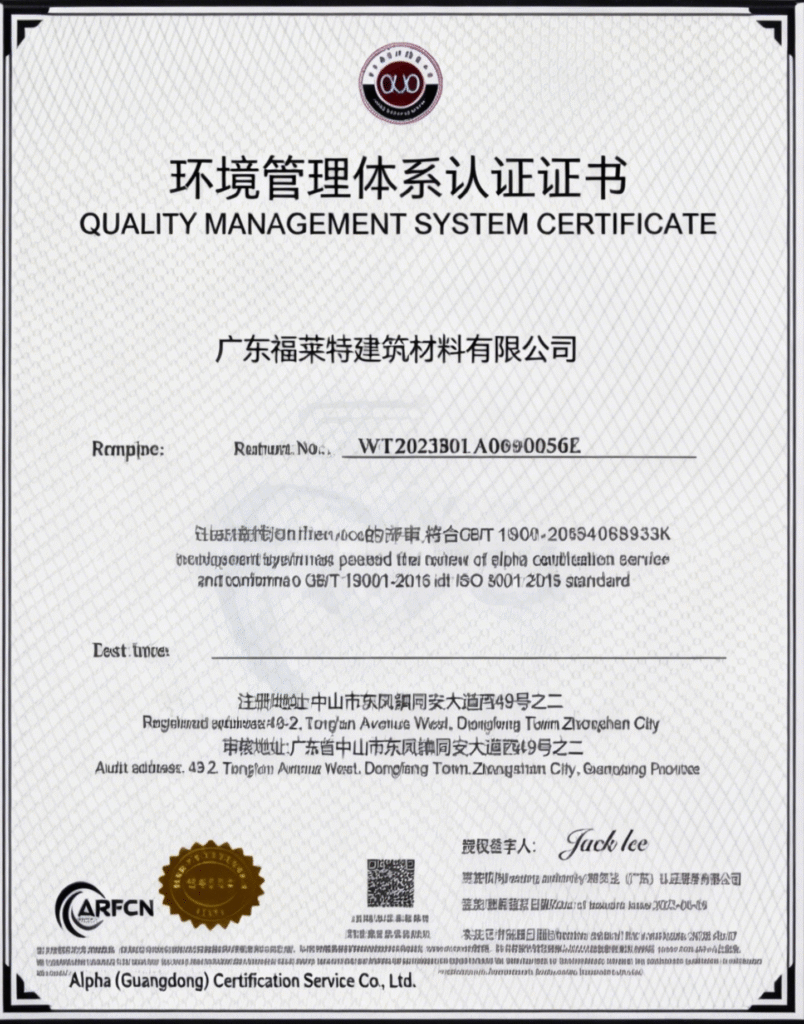
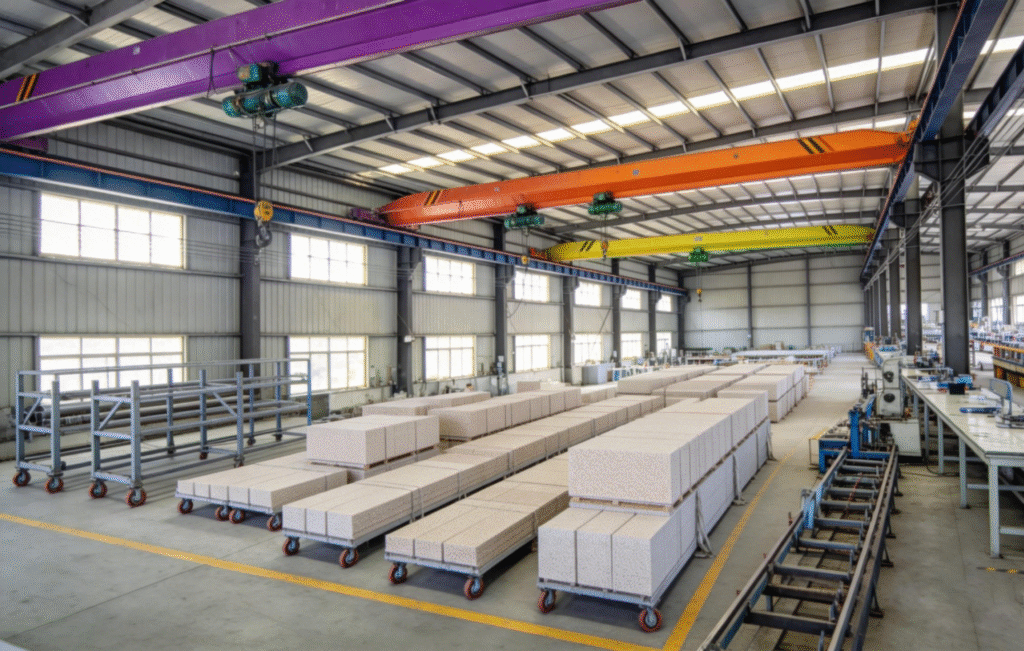
Efficient Production Workflow For WPC Wall Panels
Duolong Trade manages the key production stages of WPC wall panels, including material compounding, extrusion forming, surface embossing, cooling stabilization, precision cutting, and final inspection. By maintaining controlled processing conditions throughout production, we aim to ensure consistent panel dimensions, structural stability, and uniform surface texture across different batches. With standardized manufacturing procedures and routine quality monitoring, WPC wall panels supplied for distribution and project applications can deliver stable quality and consistent visual performance across multiple shipments.
Wood Style Surface With Installation Efficiency Benefits
WPC wall panels are widely used in projects that require a wood-like decorative effect but where natural timber may not be practical due to maintenance or installation constraints. For interior wall applications, WPC panels are commonly used for feature walls, ceilings, and commercial interiors such as offices and retail spaces. For exterior use, selected WPC cladding systems are applied to facade areas and semi-outdoor environments where durability and ease of installation are important. The panel structure helps simplify transportation, handling, and installation compared with traditional wood or other decorative materials.
Suitable For Renovation And Modern Interior Applications
Designers and installers often choose WPC wall panels for renovation and interior upgrade projects because they can be installed using structured support systems without complex construction processes. These panels are widely used in residential upgrades, apartment interiors, commercial spaces, and shop renovations. Compared with traditional wall finishes that require more cutting and adjustment, panel systems help improve installation efficiency, reduce on-site work, and support more consistent layout results for projects with limited construction time.
Panel Types And OEM Supply Capabilities
Duolong Trade supports OEM and ODM cooperation for WPC wall panel supply, including surface texture development, color selection, panel dimension customization, and private label packaging. Standard product categories include fluted wall panels, flat wall panels, and exterior cladding systems designed for different application scenarios. For repeat orders, production can follow approved samples and specifications to maintain a consistent appearance across shipments. Packaging and loading arrangements are planned for export logistics to help reduce damage during transportation and handling.
why choose us
Lightweight WPC Wall Panels For Modern Interiors
Duolong WPC wall panels are developed to provide a natural wood-look finish while maintaining a lightweight structure that simplifies handling and installation. Compared with traditional timber cladding, WPC panels are easier to transport, easier to cut, and quicker to install, making them suitable for interior wall decoration and selected exterior applications in both residential and commercial projects. The lightweight construction helps reduce installation complexity, especially for renovation projects and feature wall designs.
Designed For Interior And Exterior Wall Applications
WPC wall panels are engineered for environments where surfaces may be exposed to daily use, humidity, and temperature changes. For interior use, the panels are widely applied to feature walls, ceilings, retail interiors, and office spaces where a clean and consistent finish is required. For exterior applications, selected WPC cladding systems can be used on facade areas, balconies, and semi-outdoor spaces when installed with appropriate support structures, providing a durable and stable decorative solution.
Ideal For Renovation And Fast Installation Projects
WPC wall panels are commonly selected for renovation projects because they allow faster installation compared with traditional wall materials. Panel systems help reduce the need for complex cutting and alignment, making installation more efficient. This makes them suitable for home upgrades, apartment renovations, shop interiors, and commercial fit-outs where project timelines need to be controlled and installation processes simplified.
Standard Panel Formats And Surface Options
We supply a range of WPC wall panel formats commonly used in interior and exterior wall projects, including fluted panels, flat panels, and exterior cladding boards. Surface options include natural wood grain finishes, modern neutral tones, and textured designs that can match different architectural styles. These panels are widely used for living room walls, bedroom feature walls, ceiling systems, office interiors, and exterior decorative areas.
Sample Service And Product Selection Support
To support product selection, Duolong provides sample services for customers to review color, texture, and surface finish before placing orders. Our team can also offer basic guidance on choosing suitable panel types and finishes based on installation location and project requirements, helping customers make more informed decisions.
Production Control And Supporting Documentation
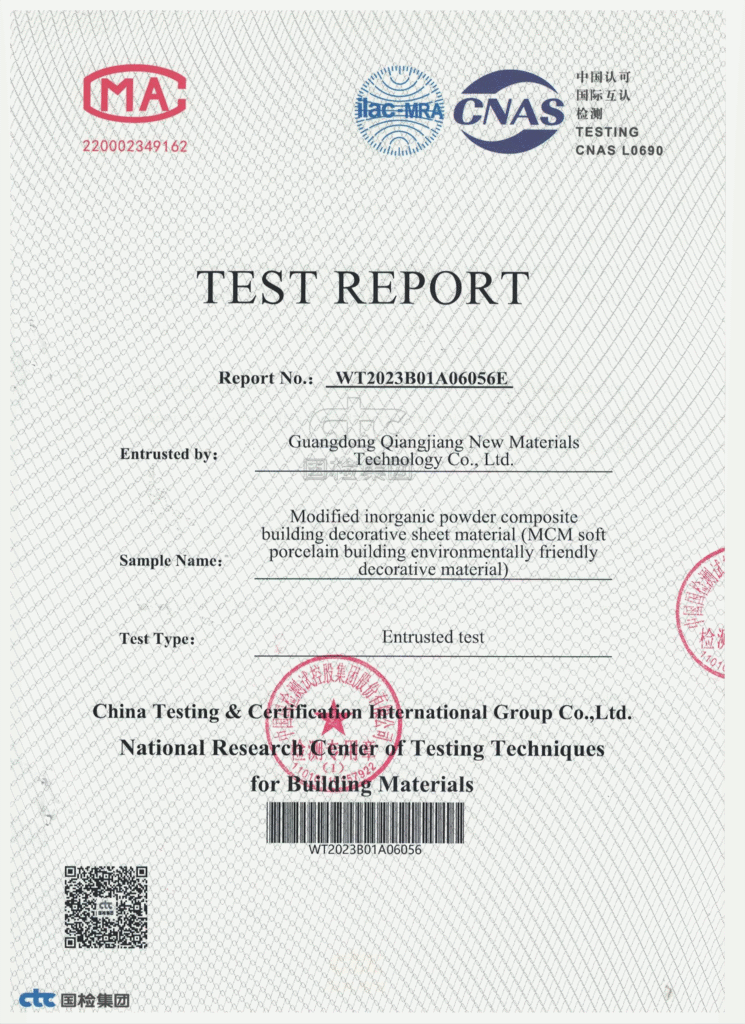
Duolong manages production using a structured manufacturing system to maintain consistent panel dimensions, surface quality, and overall product performance. For export projects, we can provide product specifications and available third-party testing references according to project requirements and destination standards.
Export Packaging And Batch Consistency Management
All WPC wall panels are packed with protective materials to reduce damage during transportation and handling. Batch control focuses on maintaining consistent color tone, surface texture, and panel dimensions so repeat orders can match previous shipments. This helps ensure a uniform appearance across different project areas and future installations.
FAQ
What are WPC wall panels used for
WPC wall panels are used for interior and exterior wall decoration. They are commonly installed on living room feature walls bedroom walls ceilings shop interiors and exterior cladding areas where a wood-like appearance is desired.
Are WPC wall panels suitable for DIY installation
Yes, many WPC wall panels are designed for easy installation and can be installed by homeowners using basic tools. For larger projects or exterior walls professional installation is recommended.
Can WPC panels be used in humid areas
Yes WPC wall panels are suitable for humid environments such as bathrooms kitchens and basements because they are more resistant to moisture compared with natural wood.
How do I clean WPC wall panels
WPC panels can be cleaned using a soft cloth water and mild cleaning products. They do not require special maintenance such as painting or sealing.
Do WPC wall panels look like real wood
Yes, WPC panels are designed with wood grain textures that replicate the appearance of natural wood. Different colors and textures are available to match various interior styles.
Can WPC panels be used for exterior walls
Some WPC panels are designed for exterior use and can be installed on facades balconies and outdoor walls when proper installation systems are used.
Are WPC wall panels durable
WPC panels are designed to be durable and resistant to daily wear. They are less likely to crack or warp compared with traditional wood materials when used in suitable conditions.
Can I cut WPC wall panels during installation
Yes, WPC panels can be cut using standard tools such as saws. This allows installers to adjust panel sizes for corner edges and different wall layouts.
Do you provide samples before ordering
Yes we provide samples so customers can check the color texture and surface finish before placing a full order. This helps ensure the panels match your design expectations.
Can I reorder the same panels later
Yes, we keep production records and batch information to help ensure future orders match previous shipments as closely as possible for consistent appearance.
Transaction Process

Inquiry and requirement confirmation
Confirm application (interior/exterior), sizes, finishes/colors, quantity, destination, and any accessory needs. Align on technical requirements such as substrate condition, climate exposure, and curved-surface needs.
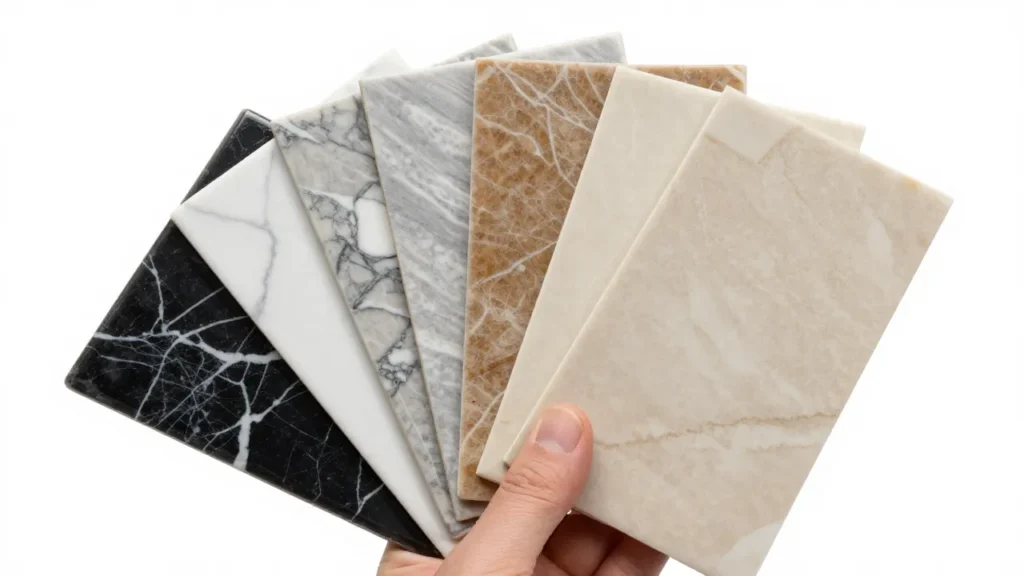
Quotation, samples, and approval
Issue a formal quotation with product options, lead time, and Incoterms. Provide samples for color/texture confirmation. Finalize specifications based on approved samples as the acceptance benchmark.

Order placement, payment, and production
Confirm the order via Proforma Invoice (PI), arrange the agreed payment, and schedule production. Maintain batch control and quality inspection during manufacturing and pre-shipment packing checks.
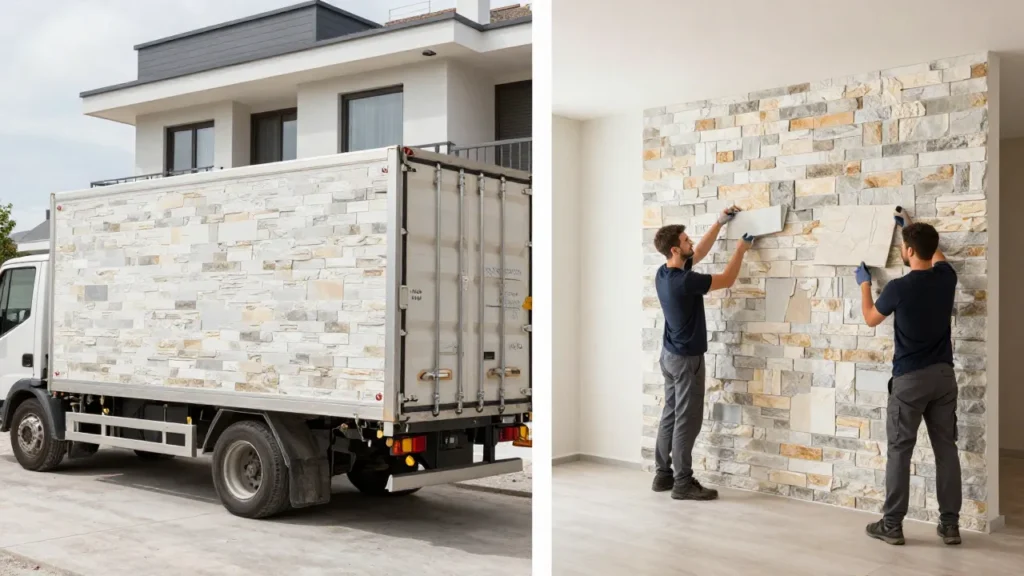
Shipment, documents, and after-sales support
Arrange shipping (FCL/LCL/air), provide export documents (invoice, packing list, B/L or AWB, and other required certificates), support customs clearance coordination, and handle receiving inspection, claims, replacements, and installation support.
Table of Contents
Choosing WPC Wall Panels For Homes
When planning a home renovation, wall materials play a major role in shaping the overall appearance and functionality of the space. Many homeowners today are choosing WPC wall panels as an alternative to traditional materials such as wood, paint, or tiles. WPC panels combine wood fiber and polymer materials, creating a product that offers a natural wood-like look with improved durability and lower maintenance requirements.
One of the main advantages of WPC wall panels is their balance between appearance and practicality. They are designed to mimic the texture and color of natural wood while avoiding issues such as warping, cracking, or moisture damage. This makes them especially suitable for environments where humidity or temperature changes may affect traditional materials.
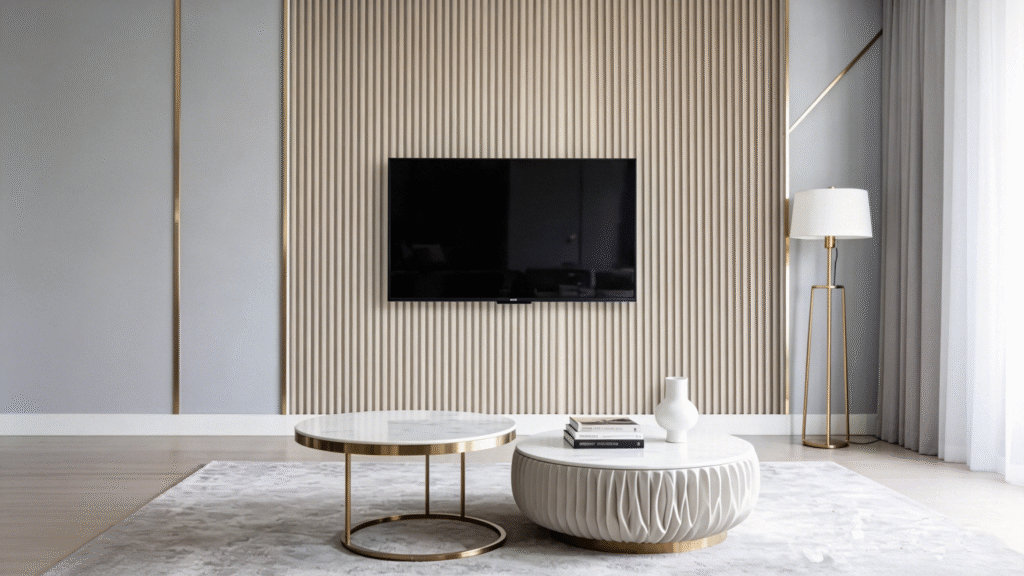
WPC panels are widely used in living rooms, bedrooms, and hallways as decorative wall coverings. Many homeowners use them to create feature walls behind televisions or sofas, adding depth and texture to the room. Compared with painted walls, textured panels can create a more refined and modern visual effect.
Installation is another reason why WPC panels are popular. Many systems use a clip or screw installation method combined with a support structure. This makes installation faster and more predictable compared with tile or stone applications. For homeowners who want to reduce renovation time, WPC panels offer a practical solution.
Maintenance is also simple. Regular cleaning can be done with a soft cloth or mild cleaning solution. Unlike real wood, WPC panels do not require painting or sealing, which reduces long-term maintenance effort.
Overall, WPC wall panels provide a modern solution for homeowners who want to improve interior design while keeping installation and maintenance manageable.
Interior WPC Panels For Modern Living
Interior design today focuses on creating spaces that are both visually appealing and functional. WPC wall panels are commonly used in modern interiors because they offer a combination of decorative texture and practical performance.
In living rooms, WPC panels are often used as feature walls. These walls create a focal point and help define the design of the space. Wood grain panels, in particular, can create a warm and natural atmosphere that complements modern furniture and lighting.
In bedrooms, WPC panels are often installed behind the bed to create an accent wall. This design approach is inspired by hotel interiors, where textured walls are used to enhance comfort and style. Using WPC panels in this way allows homeowners to achieve a high-end look without complex construction.
WPC panels are also suitable for hallways and entry areas. These spaces experience frequent contact, and walls may become dirty more easily. WPC panels provide a durable surface that is easier to clean compared with painted walls.
Another advantage is design flexibility. Panels can be installed vertically or horizontally to create different visual effects. Vertical panels can make a room appear taller, while horizontal panels can make it appear wider.
Lighting can further enhance the appearance of WPC panels. When light hits the textured surface, it creates shadows that highlight the panel design, making the wall more dynamic.
For homeowners looking to create a modern and practical interior, WPC wall panels offer a versatile and reliable option.
Exterior WPC Cladding For House Facades
Exterior walls are an important part of a building’s design because they create the first impression. Many homeowners and designers choose WPC wall cladding to achieve a wood-look exterior without the maintenance requirements of natural timber.
Outdoor environments can be challenging for traditional materials. Sunlight, rain, and temperature changes can cause wood to fade, crack, or require regular maintenance. WPC panels are designed to perform more consistently under these conditions when installed correctly.
WPC exterior cladding is commonly used for house facades, balcony walls, and garden walls. In modern architecture, these panels are often combined with materials such as stone, glass, or metal to create a balanced and contemporary appearance.
Installation for exterior cladding usually includes a support structure behind the panels. This allows airflow and helps reduce moisture buildup. Proper installation is essential to ensure durability and long-term performance.
Maintenance is relatively simple. Exterior panels can be cleaned with water and a soft brush, making them easier to maintain than many traditional materials.
For homeowners who want a modern exterior design with a wood-like appearance and reduced maintenance, WPC cladding is a practical and effective solution.
WPC Feature Walls For Interior Design
Feature walls have become one of the most popular design elements in modern interiors because they allow homeowners to transform a space without major renovation work. Instead of changing the entire room, focusing on one wall can create a strong visual impact. WPC wall panels are widely used for feature walls because they combine decorative texture with practical performance.
In living rooms, feature walls are commonly installed behind the television or sofa. These areas naturally attract attention, so adding texture and depth can make the room look more complete and professionally designed. WPC panels provide a consistent finish that works well with modern furniture, lighting, and flooring materials.
Another common application is in bedrooms. Installing WPC panels behind the bed creates an accent wall that enhances comfort and style. This design is often inspired by hotel interiors, where textured walls are used to create a more relaxing environment. Using WPC panels allows homeowners to achieve this effect without complex construction or high maintenance.
WPC feature walls are also widely used in commercial spaces such as offices, cafes, and retail stores. In these environments, wall design helps define the brand identity and overall atmosphere. A textured wall can make a space feel more unique and inviting, which is important for customer experience.
Lighting plays an important role in enhancing feature walls. When light is directed at textured panels, shadows are created on the surface. This highlights the depth and detail of the material, making the wall more visually dynamic. Many designers combine WPC panels with LED lighting to achieve this effect.
Installation is another advantage. Compared with traditional materials such as stone or tile, WPC panels can be installed more quickly using a structured system. This reduces installation time and makes them suitable for renovation projects.
For homeowners and designers looking to create a strong visual impact with minimal effort, WPC feature walls offer a practical and flexible design solution.
WPC Panels For Apartment Renovation Projects
Apartment renovation projects often come with specific challenges, including limited working hours, noise restrictions, and transportation constraints. Because of these limitations, choosing the right materials becomes very important. WPC wall panels are a popular choice for apartment renovation because they are lightweight, easy to install, and suitable for various interior spaces.
One of the biggest advantages of WPC panels in apartments is their lightweight structure. Compared with traditional materials such as stone or tile, WPC panels are easier to carry through elevators and narrow hallways. This makes them more convenient for high-rise buildings where access may be limited.
Installation is also relatively simple. Many WPC systems use a clip or screw method combined with a support frame. This reduces the need for heavy construction tools and helps minimize noise and dust during installation. In apartment environments where neighbors are close by, this is a significant advantage.
WPC panels can be used in multiple areas of an apartment, including living rooms, bedrooms, corridors, and ceilings. Using the same material across different areas can create a consistent and modern design style. Homeowners can choose from different colors and textures to match their personal preferences.
Another benefit is that WPC panels can sometimes be installed over existing wall surfaces, depending on the wall condition. This reduces the need for demolition work and helps shorten the renovation timeline. For many apartment owners, saving time is just as important as improving appearance.
In addition to aesthetics, maintenance is also important. WPC panels are easy to clean and maintain, which is ideal for everyday living. They provide a durable surface that can handle daily use without requiring frequent repairs.
For apartment renovation projects that require efficiency, convenience, and modern design, WPC wall panels provide a practical and effective solution.
Easy Maintenance Wall Panels For Homes
In modern homes, convenience and low maintenance are key factors when choosing materials. Many homeowners prefer solutions that look good but do not require frequent upkeep. WPC wall panels are designed to meet these needs by offering a durable and easy-to-maintain surface.
One of the main advantages of WPC panels is that they are easy to clean. Dust and dirt can usually be removed using a soft cloth or brush. For more thorough cleaning, a damp cloth with a mild cleaning solution is enough. Unlike painted walls, which may require repainting over time, WPC panels maintain their appearance with minimal effort.
Another benefit is durability. Walls in busy households, especially those with children or pets, are exposed to daily wear and tear. WPC panels are more resistant to scratches and small impacts compared with traditional painted surfaces. This makes them suitable for high-contact areas such as hallways and living rooms.
WPC panels also do not require additional treatments such as painting or sealing. Natural wood panels may need regular maintenance to prevent damage, but WPC panels are designed to remain stable without extra care. This reduces long-term maintenance costs and effort.
In addition to practical benefits, WPC panels maintain a consistent appearance over time. Because they are manufactured materials, they do not have the same variation as natural wood, which can change color or texture over time.
For homeowners looking for a balance between aesthetics and practicality, WPC wall panels offer a solution that reduces maintenance while still providing a modern and attractive wall finish.
WPC Panels For Commercial Interior Spaces
Commercial interior spaces such as cafes, restaurants, offices, and retail stores require materials that are both visually appealing and durable. Wall design plays a major role in creating the overall atmosphere of a space, and WPC wall panels are often used because they provide a modern appearance combined with practical performance.
In cafes and restaurants, WPC panels help create a warm and inviting environment. Wood texture finishes are commonly used to make spaces feel comfortable and natural, which can improve the customer experience. In retail stores, wall panels can be used to create feature areas that highlight products and reinforce brand identity.
Durability is an important consideration in commercial spaces. Walls are frequently touched and cleaned, so materials must be able to withstand daily use. WPC panels provide a surface that is more resistant to wear compared with painted walls, making them suitable for high-traffic areas.
Installation speed is another advantage. Business owners often want renovation work completed quickly to minimize downtime. WPC panel systems can be installed faster than traditional materials, which helps reduce project timelines and labor costs.
Maintenance is also easier. Regular cleaning is simple, and panels do not require repainting or refinishing. This reduces maintenance effort and keeps the space looking clean and professional.
For commercial interiors where appearance, durability, and efficiency are important, WPC wall panels provide a practical and reliable wall solution.
Choosing The Right WPC Panel Style
Choosing the right WPC wall panel style is an important step in achieving the desired interior or exterior design. Different panel styles create different visual effects, so understanding the available options can help homeowners and designers make better decisions.
Fluted panels are one of the most popular styles. Their vertical lines create texture and depth, making them ideal for feature walls. When combined with lighting, fluted panels can create strong shadow effects that enhance the overall design.
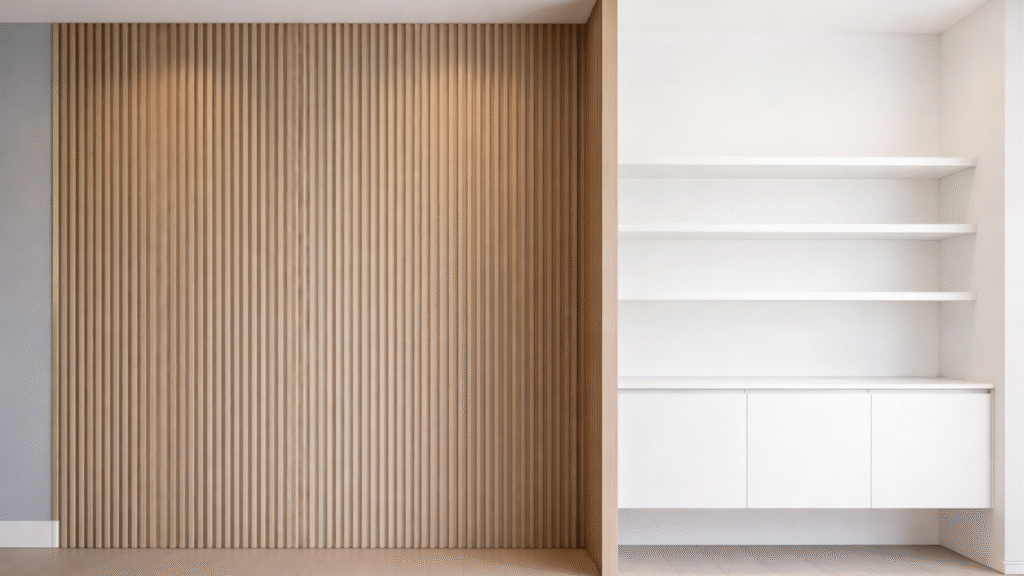
Flat panels, on the other hand, provide a clean and simple appearance. They are often used for large wall areas where a minimalist look is preferred. Flat panels work well in modern interiors where simplicity and uniformity are important.
Exterior cladding panels are designed for outdoor use and are typically more resistant to environmental conditions. These panels are used for facades, balconies, and outdoor walls where durability is required.
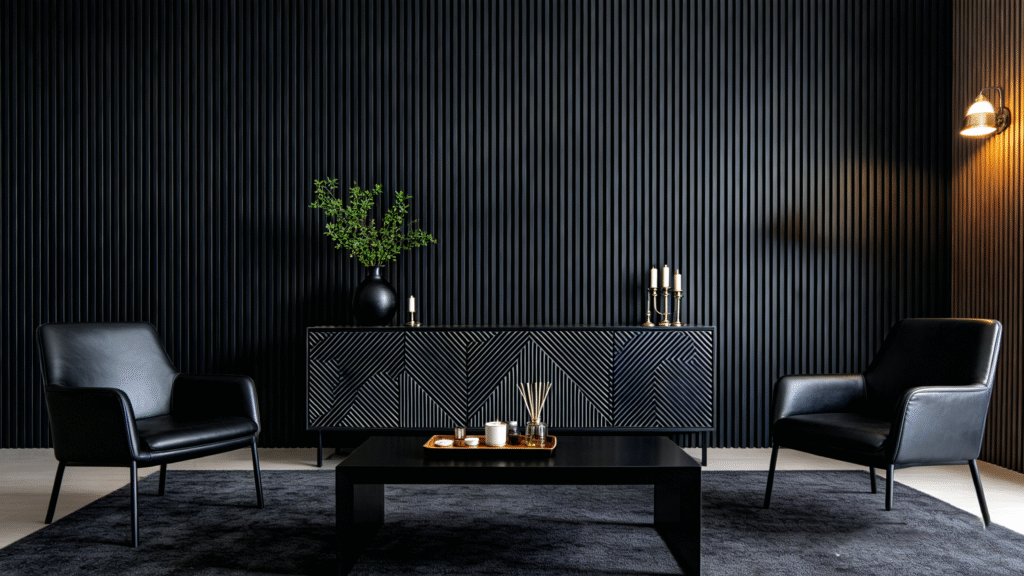
Color selection is another key factor. Light colors can make a space feel larger and brighter, while dark colors can create a more dramatic and modern atmosphere. Matching panel color with flooring and furniture helps create a cohesive design.
Installation direction also affects the visual result. Vertical installation can make a room appear taller, while horizontal installation can make a wall appear wider.
By selecting the right WPC panel style, homeowners can achieve a design that is both visually attractive and practical for long-term use.