
Your Trusted Cultured Stone Manufacturer
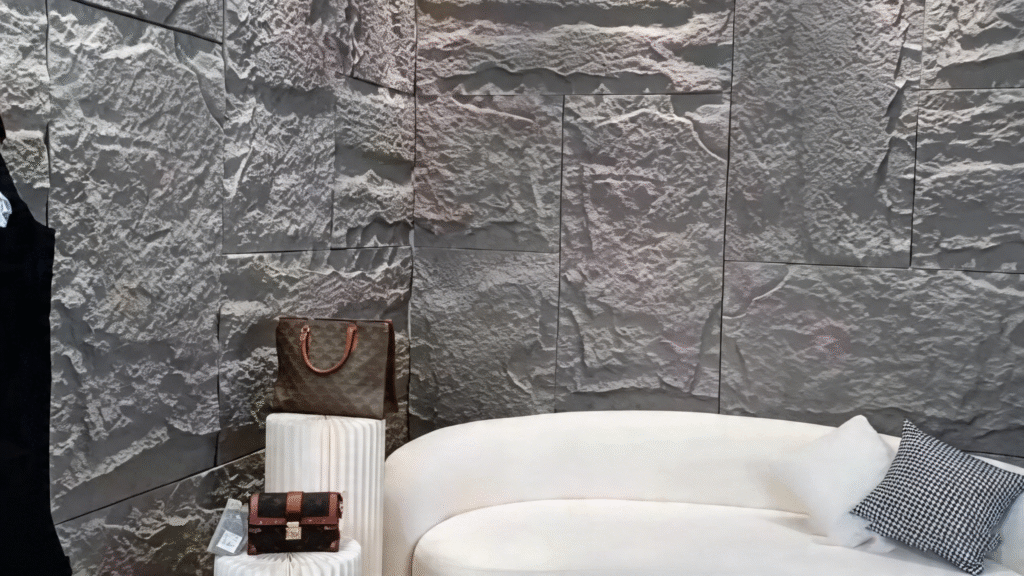
A Cultured Stone Manufacturer
Duolong Trade manufactures stone veneer products for interior wall cladding and exterior decorative applications where a natural stone aesthetic is required but full-thickness stone systems may not be practical due to weight, cost, or installation constraints. Our customers include building material wholesalers, regional distributors, importers, and contractors who require a wall finish solution that delivers the look of stone with more manageable installation and controlled supply consistency. Stone veneer is widely used for feature walls, residential interiors, retail environments, hospitality projects, and exterior facade accents—especially where visual uniformity, cost efficiency, and scalable project supply are important.
Our stone veneer products are manufactured using selected materials and controlled forming processes to achieve realistic stone textures and consistent dimensional results. The surface is designed to replicate natural stone depth and variation while maintaining stable performance for both interior and exterior use. We offer a range of styles including stacked stone profiles, linear stone patterns, and traditional irregular textures, along with standard formats and cut-to-size options that help simplify installation and reduce on-site labor.
For wall cladding applications, buyers typically focus on practical considerations such as unit sizing accuracy, surface consistency, installation compatibility, and performance under different environmental conditions including humidity, temperature variation, and routine maintenance. We operate with controlled production systems and maintain batch tracking to support repeat orders and ensure consistent appearance across multiple shipments and project phases. When required for project approvals, we can provide export documentation packages including product datasheets, packing specifications, and available third-party testing or reference documentation based on the product type and destination requirements.
Products
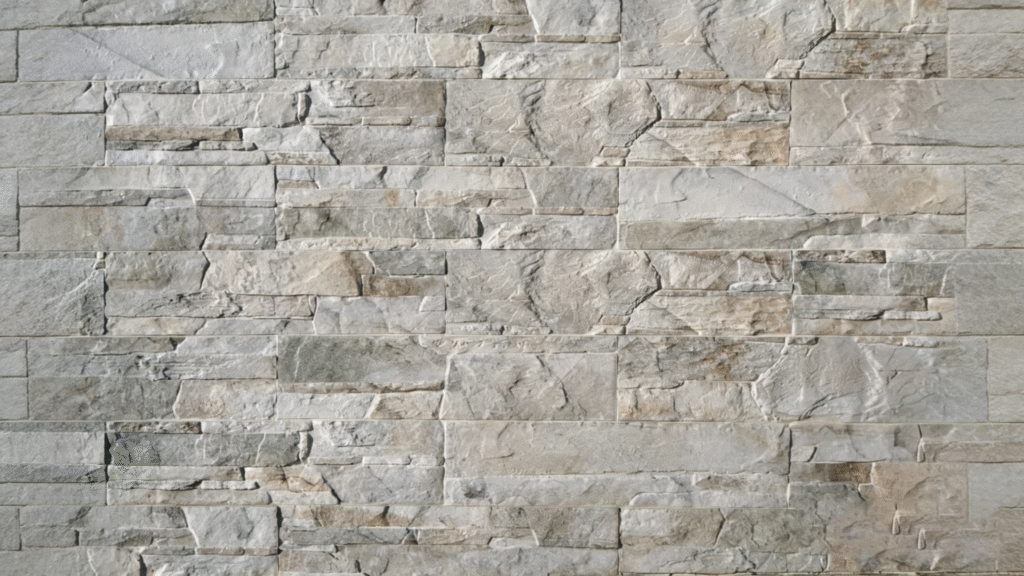
Natural Stacked Stone Veneer Wall Texture
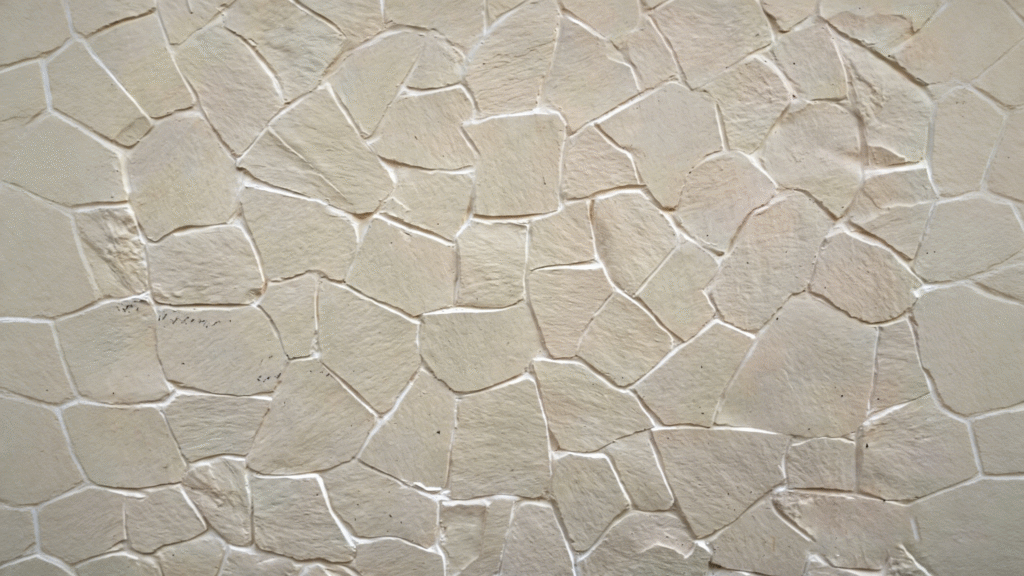
Modern Linear Stone Veneer Wall Pattern
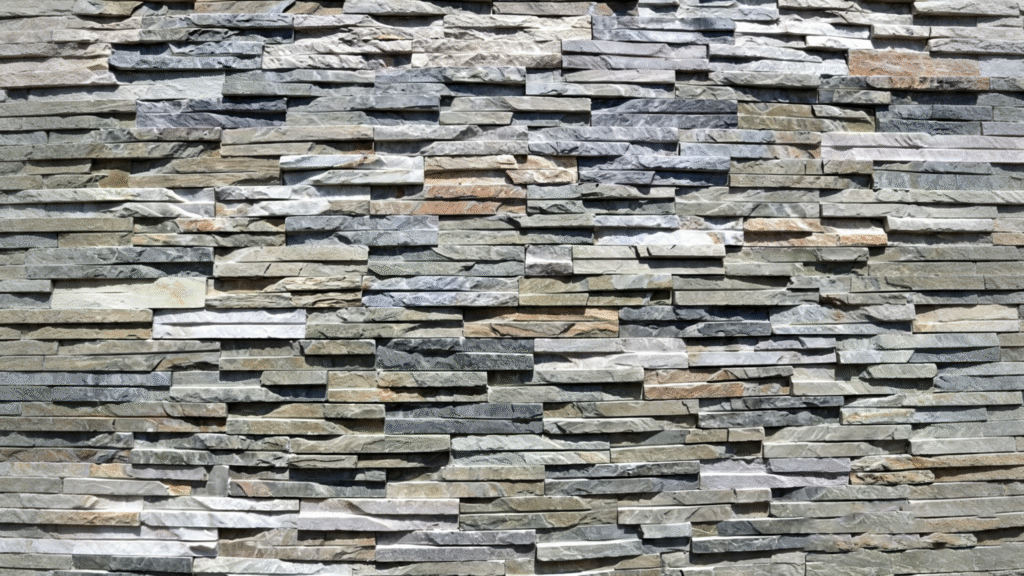
Rustic Rock Stone Veneer Wall Surface
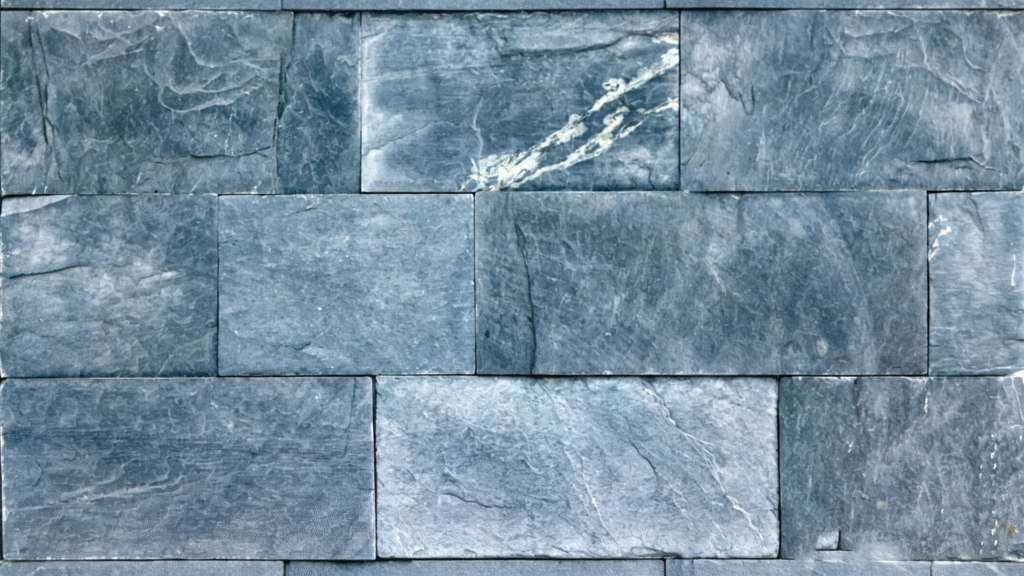
Slate Finish Stone Veneer Wall Texture
Our Advantages


Controlled Production Workflow For Stone Veneer
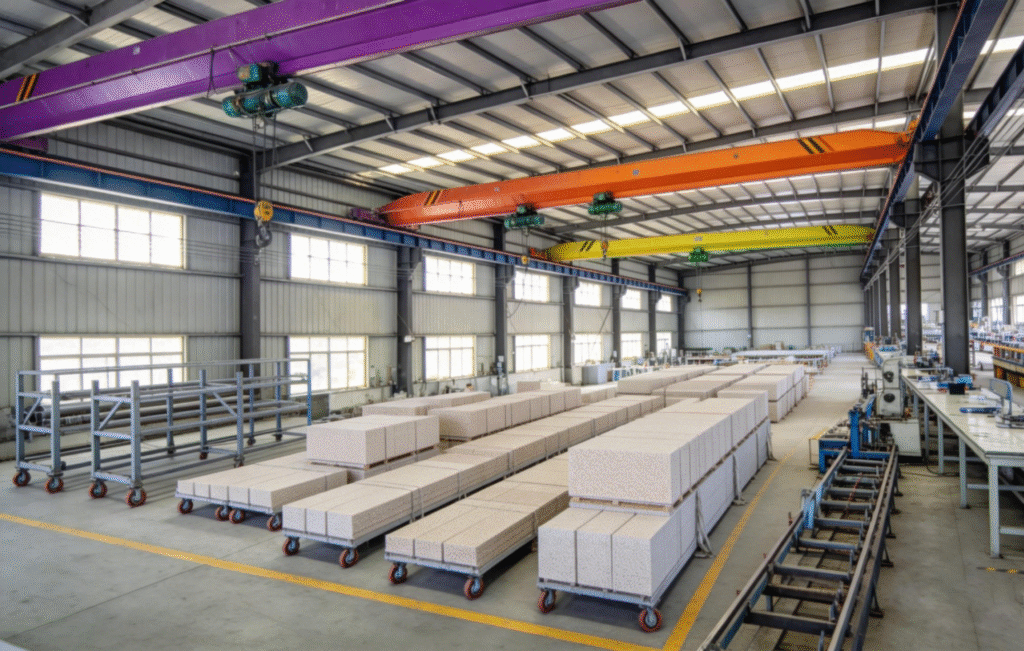
Duolong Trade manages the key manufacturing stages of stone veneer products, including raw material selection, forming processes, surface detailing, curing, finishing, and final inspection. Each step is handled under controlled conditions to maintain consistent unit sizing, stable structure, and reliable surface quality across production batches. Through standardized production management and routine quality verification, stone veneer supplied for distribution and project use can achieve consistent performance and uniform visual results across multiple shipments and installations.
Authentic Stone Look With Controlled Consistency
Stone veneer products are widely used in projects that require a natural stone appearance while maintaining predictable specifications. For interior applications, they are commonly installed on feature walls, fireplaces, reception areas, and commercial interiors where texture and depth are important. For exterior use, stone veneer is applied to facades, landscape features, and architectural accents where a durable and visually consistent finish is required. Compared with full-thickness natural stone, veneer systems provide a more manageable solution while maintaining a realistic stone effect.
Reliable Choice For Construction And Renovation
Stone veneer is frequently selected for both new construction and renovation projects because it offers a balance between traditional aesthetics and practical installation. These products are typically installed using standard fixing or bonding methods, allowing secure attachment to different wall substrates. They are widely used in residential upgrades, hospitality projects, retail environments, and outdoor decorative walls. Compared with irregular natural stone materials, stone veneer helps simplify layout planning and achieve a more controlled and uniform installation result.
Product Options And Customization Programs
Duolong Trade supports OEM and ODM programs for stone veneer supply, including surface pattern development, color coordination, size customization, and private label packaging. Standard product styles include stacked stone designs, linear patterns, and traditional stone textures suitable for different architectural and interior styles. For repeat orders, production can follow approved references to maintain consistent appearance across shipments. Export packaging and loading arrangements are designed to reduce transport risk and support efficient global delivery.
why choose us
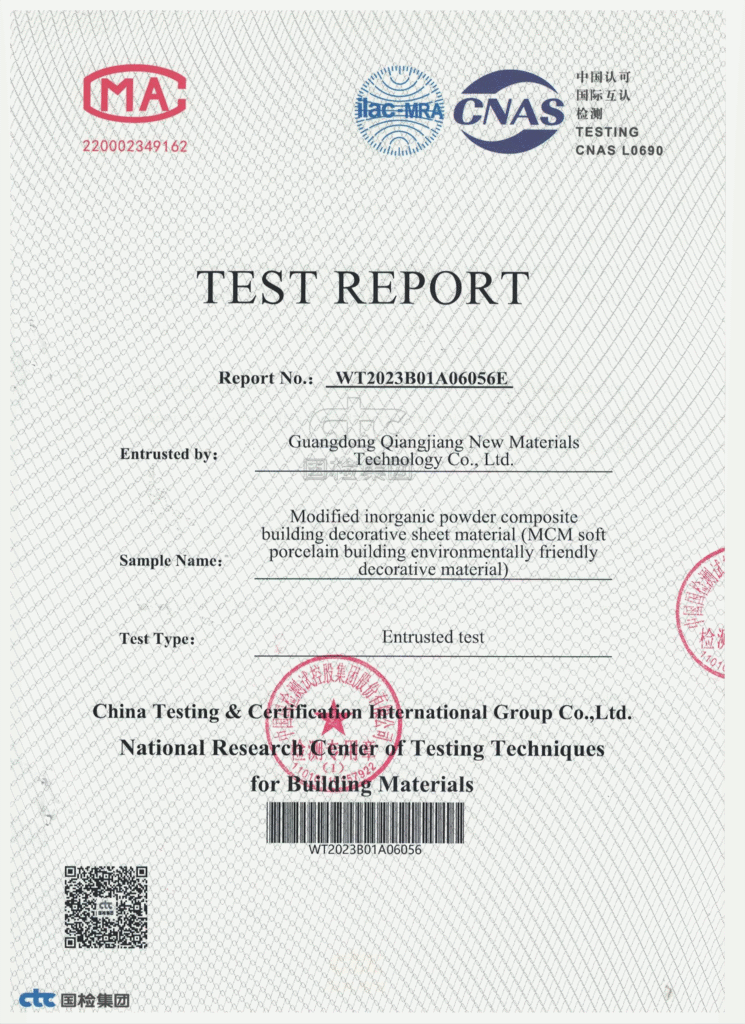
Reliable Stone Veneer Solutions For Wall Systems
Duolong stone veneer products are developed to deliver a natural stone appearance while offering a more practical solution for wall cladding projects. Compared with full-thickness stone installations, stone veneer provides better control over cost, material consistency, and installation planning. These products are suitable for both interior decorative walls and exterior cladding applications across residential and commercial environments. With a balanced combination of visual appeal and manageable installation, stone veneer systems help achieve a refined architectural finish.
Suitable For Interior And Exterior Applications
Stone veneer products are designed for environments where walls are exposed to daily use, changing weather conditions, and temperature fluctuations. For interior use, they are commonly applied to feature walls, fireplaces, entry areas, and commercial interiors where texture and depth are important. For exterior use, they are widely used for facades, garden walls, and architectural accents when installed with proper substrate preparation and finishing systems. This versatility makes stone veneer a practical option for a wide range of wall design applications.
Efficient Option For Renovation And New Projects
Stone veneer is frequently selected for both renovation and new construction projects because it offers a balance between traditional stone aesthetics and practical installation. These products can be installed using standard fixing or bonding methods depending on the substrate, allowing secure attachment and reliable performance. Compared with irregular natural stone, veneer units offer more consistent sizing, helping installers achieve cleaner alignment and a more controlled installation result. This makes them suitable for residential upgrades, hospitality spaces, and outdoor decorative walls.
Available Styles And Surface Design Options
We supply a range of stone veneer formats commonly used in wall cladding systems, including stacked stone designs, linear stone patterns, and traditional textured finishes. These products are available in different color tones and surface variations to match various architectural styles. They are widely used for living room feature walls, exterior facades, landscape walls, and commercial decorative surfaces where a natural stone look is desired.
Sample Support And Product Selection Guidance
To assist customers with product selection, Duolong provides sample services that allow evaluation of texture, color variation, and overall appearance before placing bulk orders. Our team can also provide practical recommendations based on application area, installation requirements, and design preferences, helping customers choose the most suitable options for their projects.
Controlled Production And Technical Documentation
Duolong manages stone veneer production through a structured manufacturing system that focuses on maintaining stable dimensions, consistent surface quality, and reliable product performance. For export and project applications, we can provide product specifications and available third-party testing references according to destination requirements and application standards.
Export Packaging And Consistent Supply Management
All stone veneer products are packed using protective materials to reduce the risk of damage during transportation and handling. Batch management focuses on maintaining consistent color tone, surface texture, and unit size so repeat orders can match previous shipments. This helps ensure a uniform visual result across different project phases and installation areas.
FAQ
What Is Stone Veneer Material
Stone veneer is a decorative wall material designed to replicate the appearance of natural stone. It is typically made from manufactured or natural materials in thinner formats, making it easier to install compared with full-thickness stone.
Where Can Stone Veneer Be Used
Stone veneer can be used for both interior and exterior walls. Common applications include living room feature walls fireplaces entry areas exterior facades garden walls and commercial interiors.
Does Stone Veneer Look Like Real Stone
Yes high-quality stone veneer is designed to closely match the texture and color variation of natural stone. It can provide a realistic stone appearance when properly installed.
Is Stone Veneer Heavy
Stone veneer is lighter than full natural stone but heavier than lightweight materials like PU or FRP panels. It offers a balance between realistic appearance and manageable installation.
How Is Stone Veneer Installed
Stone veneer is usually installed using mortar or adhesive systems depending on the product type. Proper wall preparation and finishing are important for long-term performance.
Can Stone Veneer Be Used Outdoors
Yes stone veneer is suitable for exterior applications when installed correctly. It is commonly used on facades outdoor walls and landscape features.
How Do I Maintain Stone Veneer Walls
Maintenance is simple. Regular cleaning with water or mild cleaning solutions is usually sufficient. For exterior use sealing may be recommended for added protection.
Can I Install Stone Veneer Myself
Some homeowners can install stone veneer for small projects but professional installation is recommended for larger or exterior applications to ensure proper results.
Do You Offer Samples Before Ordering
Yes samples are available so customers can review color texture and surface variation before placing bulk orders. This helps ensure the correct product selection.
Will Future Orders Match Previous Panels
Manufacturers maintain batch control to help ensure consistency. While slight variations may occur repeat orders are typically produced to closely match previous shipments.
Transaction Process

Inquiry and requirement confirmation
Confirm application (interior/exterior), sizes, finishes/colors, quantity, destination, and any accessory needs. Align on technical requirements such as substrate condition, climate exposure, and curved-surface needs.
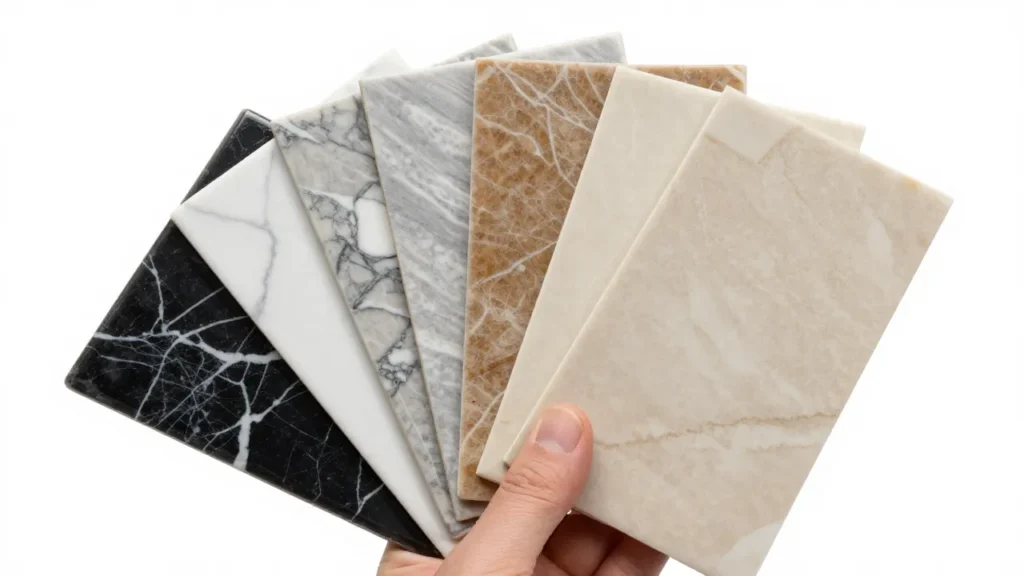
Quotation, samples, and approval
Issue a formal quotation with product options, lead time, and Incoterms. Provide samples for color/texture confirmation. Finalize specifications based on approved samples as the acceptance benchmark.

Order placement, payment, and production
Confirm the order via Proforma Invoice (PI), arrange the agreed payment, and schedule production. Maintain batch control and quality inspection during manufacturing and pre-shipment packing checks.
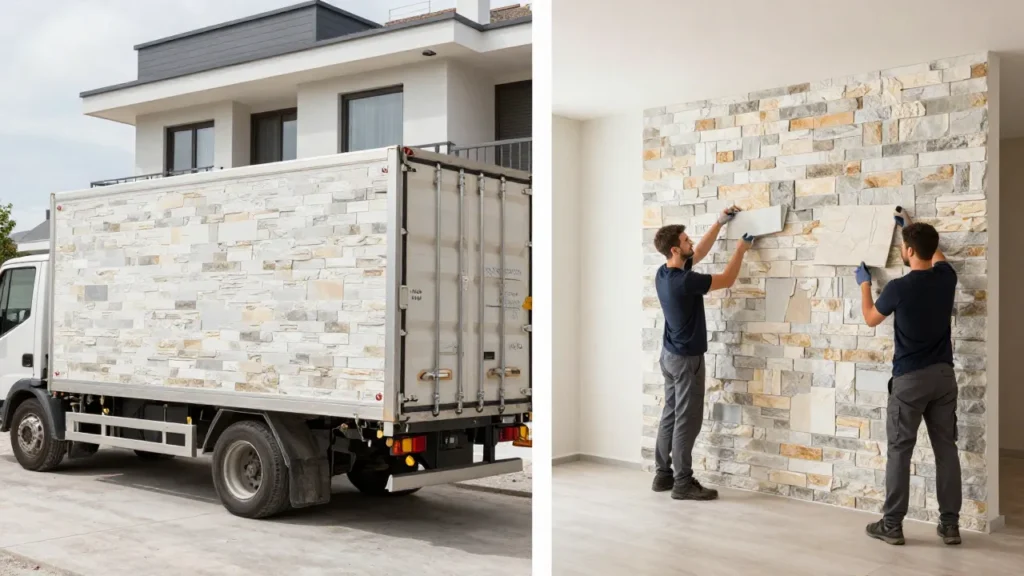
Shipment, documents, and after-sales support
Arrange shipping (FCL/LCL/air), provide export documents (invoice, packing list, B/L or AWB, and other required certificates), support customs clearance coordination, and handle receiving inspection, claims, replacements, and installation support.
Table of Contents
Choosing Stone Veneer For Wall Projects
Selecting the right wall material is one of the most important decisions when planning a home renovation or a new interior design project. Walls take up a large part of the visual space in any room, so the material you choose will strongly affect the final result. Stone veneer has become a popular option because it offers the look of real stone while being easier to install and more practical for many projects than full natural stone systems.
One of the main reasons homeowners choose stone veneer is its appearance. Stone veneer is designed to replicate the texture, depth, and visual variation of natural stone. Depending on the style, it can create a rustic, traditional, or modern architectural effect. Common styles include stacked stone, rough rock textures, slate-inspired finishes, and more structured cut-stone patterns. This variety allows homeowners to match the wall finish with furniture, flooring, and lighting.
Stone veneer is often used in living rooms, fireplace surrounds, entryways, dining areas, and outdoor facade accents. In interior spaces, it is frequently installed as a feature wall to create a focal point. In exterior applications, it can improve curb appeal and give a house a more finished and premium appearance. Because it adds both texture and depth, it usually creates more visual interest than painted walls or flat decorative panels.
Compared with full-thickness natural stone, stone veneer is generally easier to handle and install. It provides a more controlled solution in terms of unit size and layout planning. This helps installers achieve cleaner alignment, more consistent spacing, and a more predictable result. It can also reduce material waste compared with irregular natural stone.
Another important factor is value. Many homeowners want the appearance of real stone without the higher cost, weight, and installation complexity of traditional masonry systems. Stone veneer gives them a practical middle option. It provides a realistic stone effect while making project planning more manageable.
Durability is another reason it is widely used. When installed correctly and matched with the right substrate and finishing system, stone veneer can provide long-term visual performance for both interior and exterior wall projects. Maintenance is also relatively straightforward, especially when compared with delicate wall finishes that show marks or damage more easily.
For homeowners, contractors, and designers who want to improve wall design without choosing a full natural stone system, stone veneer offers a smart balance of appearance, practicality, and installation efficiency. That combination is why it continues to be one of the most popular decorative wall materials in both residential and commercial spaces.
Stone Veneer Walls For Modern Interiors
Modern interiors often combine clean layouts with natural materials to create spaces that feel balanced, warm, and visually refined. Stone veneer works especially well in this style because it introduces texture and depth without making a room feel too heavy or overly complicated. For homeowners who want more character in their interiors, stone veneer is often one of the most effective wall finishes available.
One of the most common uses of stone veneer in modern interiors is the living room feature wall. A wall behind the television, sofa, or fireplace can become the main visual focus of the room when finished in stone veneer. The texture of the material helps break up flat wall surfaces and creates a stronger architectural feeling. Even in simple spaces with neutral furniture, a stone veneer wall can make the room feel more intentional and professionally designed.
Bedrooms can also benefit from stone veneer, especially on the wall behind the bed. This approach creates a calm and upscale atmosphere, similar to boutique hotel design. The material brings natural texture into the room, which can make the overall environment feel warmer and more comfortable. Depending on the color and pattern, stone veneer can be used for both modern minimalist styles and more rustic interior concepts.
Entryways and hallways are also suitable locations. These are areas where first impressions matter, and a textured wall can immediately make the space feel more distinctive. Stone veneer can help define these transitional areas and make them feel less plain than standard painted walls. Because it has a more substantial visual presence, it also works well in larger open-plan interiors where walls need more character.
Lighting is especially important when using stone veneer indoors. Wall washers, directional ceiling lights, or hidden LED strips can highlight the texture of the surface and create shadows that make the wall more visually dynamic. This effect is one of the main reasons designers like using stone veneer in feature spaces. A flat wall may disappear into the background, but a well-lit stone veneer surface becomes part of the architecture.
Another advantage is design versatility. Different veneer styles create different moods. Linear stone patterns can feel more modern, while stacked and irregular stone styles feel more natural or rustic. Neutral grey, beige, charcoal, and warm earth tones can all be used depending on the overall design direction of the home.
For homeowners who want to create a more modern interior without relying only on paint, wallpaper, or wood panels, stone veneer offers a strong design solution. It combines natural visual appeal with a more structured and manageable installation approach, making it suitable for a wide range of interior wall projects.
Exterior Stone Veneer For House Facades
Exterior walls are one of the first things people notice about a house, so the material used on the facade plays a major role in how the property looks overall. Stone veneer is widely used on house facades because it gives a home the visual character of natural stone while offering a more practical solution for installation and budgeting. For many homeowners, it provides the right balance between style, durability, and project control.
One of the main reasons stone veneer is popular for facades is curb appeal. A house with stone detail often looks more complete, more architectural, and more visually valuable than one finished entirely in plain render or paint. Stone veneer can be used across a full facade or in selected sections such as entrance walls, porch columns, lower wall zones, garage surrounds, and garden-facing elevations. Even when used in small areas, it can significantly upgrade the overall appearance of a property.
Stone veneer also works well with many architectural styles. It can support a rustic natural design, a traditional suburban home exterior, or a more modern mixed-material facade. It pairs effectively with timber-look cladding, painted render, glass, and metal details. This flexibility allows homeowners and designers to build layered exteriors that feel balanced rather than flat.
Practicality is another reason it is often chosen. Compared with full-thickness natural stone systems, veneer formats are easier to plan and install. The units are more consistent, which helps with layout, corner treatment, and alignment. Installers can work more efficiently, and homeowners can often achieve a stone facade look without the same level of complexity associated with larger masonry systems.
Exterior performance is also important. When installed on a properly prepared substrate with suitable mortar, detailing, and edge treatment, stone veneer can perform well under outdoor conditions. Rain, sunlight, and temperature changes all affect wall systems over time, so proper installation is essential. Good drainage planning, correct joint finishing, and appropriate sealing where needed help maintain appearance and long-term performance.
Maintenance is generally manageable. Exterior stone veneer may need occasional cleaning to remove dust or environmental buildup, especially on walls exposed to weather and landscaping. In some conditions, sealing may be recommended depending on the product type and location. Compared with finishes that fade or stain easily, stone veneer can remain visually stable for long periods when correctly maintained.
For homeowners who want to improve the appearance of their home exterior without committing to a full natural stone system, stone veneer is a practical and attractive solution. It delivers the look of stone, supports flexible design, and helps create a more finished facade with better cost and installation control.
Stone Veneer Feature Wall Design Ideas
A feature wall is one of the most effective ways to change the look of a room without renovating the entire space. By focusing attention on one wall, homeowners can create a stronger visual identity and make a room feel more complete. Stone veneer is especially popular for feature walls because it adds depth, texture, and architectural interest in a way that flat surfaces usually cannot.
In living rooms, the most common feature wall locations are behind the television, behind the sofa, or around a fireplace. These areas already function as visual anchors in the room, so adding stone veneer makes them more defined and impactful. The texture helps create contrast with smooth painted walls, glass tables, or simple cabinetry, which makes the room feel more layered and designed.
Stone veneer feature walls are also common in bedrooms. A wall behind the bed finished with veneer can make the room feel warmer and more upscale. This is a popular design choice in hotels, and many homeowners use the same idea to create a more comfortable and stylish bedroom atmosphere. Soft lighting, natural textiles, and neutral furniture often work especially well with this type of wall finish.
Dining rooms, entryways, and home office spaces can also benefit from a stone veneer feature wall. In open-plan homes, a textured wall can help visually separate one zone from another without adding physical barriers. In a home office, it can create a more polished and professional background. In an entry area, it makes a strong first impression and gives the home a more distinctive identity.
The style of veneer chosen will influence the overall feeling of the room. Stacked stone patterns tend to look more natural and layered. Cut-stone or linear patterns often feel more contemporary and structured. Dark colors create drama and contrast, while lighter tones help keep the space open and bright. Choosing the right style depends on the room size, natural light, and existing interior palette.
Lighting plays a major role in the final effect. Stone veneer becomes much more visually powerful when lit properly. Surface texture catches light and creates shadow, which adds dimension and movement. This is why many designers combine feature walls with spotlights, wall washers, or concealed LED strips.
Another reason stone veneer works so well for feature walls is durability. Unlike delicate wallpapers or painted surfaces that may show marks more quickly, veneer provides a stronger and more substantial finish. This makes it suitable for spaces that need to look good long term.
For homeowners looking for a practical way to add visual depth and style to a room, a stone veneer feature wall is one of the most reliable design solutions. It changes the mood of the space, creates a focal point, and adds a premium finish without requiring a full interior rebuild.
Stone Veneer Panels For Renovation Projects
Renovation projects often involve balancing appearance, time, budget, and installation practicality. Homeowners usually want to improve the look of a space without making the process too disruptive or complicated. Stone veneer panels are widely used in renovation work because they offer a strong visual upgrade while helping keep installation more controlled than many traditional stone systems.
One of the main challenges in renovation is that existing conditions are rarely perfect. Walls may be uneven, access may be limited, and homeowners often want work completed quickly so daily life is not interrupted for too long. Stone veneer panels help address these issues because they are designed in more consistent sizes, making layout and planning easier. Compared with highly irregular natural stone, they allow installers to work more efficiently and with fewer unexpected adjustments.
Stone veneer is especially useful for upgrading outdated interiors. A plain living room wall, an old fireplace surround, or a worn entry area can look completely different after a stone veneer installation. Because veneer adds depth and texture, it can modernize a room while also making it feel more natural and permanent. This is one reason it is often chosen in home refresh projects where visual impact is important.
Renovation projects in apartments, townhouses, and older homes can also benefit from the more controlled nature of veneer products. Even when structural changes are limited, a decorative wall upgrade can still make the space feel significantly more valuable. Stone veneer works well in these situations because it provides a strong finish without requiring a complete rebuild of the room.
Commercial renovations also use stone veneer extensively. Shops, cafes, salons, and reception spaces often need to improve appearance within short timelines. A veneer feature wall or facade accent can quickly change the atmosphere of the space and make it feel more premium, which is especially useful for customer-facing environments.
Another advantage is design flexibility. Different colors and textures allow homeowners and designers to match the renovation style to the rest of the property. Rustic styles, modern linear patterns, and traditional stone looks can all be used depending on the intended result. This makes veneer suitable for many renovation directions, from contemporary upgrades to classic refresh projects.
Durability also matters in renovation. Homeowners do not want to invest in an upgrade that looks dated or damaged after a short time. Properly installed stone veneer provides a finish that can maintain its appearance and perform well over the long term.
For renovation projects that need both visual transformation and practical installation planning, stone veneer panels provide a strong solution. They help modernize old spaces, support better design outcomes, and offer a more efficient path to achieving a stone-look wall finish.
Easy Maintenance Stone Veneer Wall Solutions
For many homeowners, a wall material is only truly practical if it looks good and remains easy to maintain over time. Decorative finishes may look impressive at first, but if they require frequent repair, special cleaning, or constant upkeep, they quickly become inconvenient. Stone veneer is often chosen because it combines a strong architectural look with relatively manageable maintenance.
One of the main benefits of stone veneer is that it does not require the same kind of routine upkeep as many painted or delicate decorative wall finishes. Painted feature walls may scuff easily, and some wallpapers can peel or stain over time. Stone veneer, by contrast, provides a more durable textured surface that tends to age more steadily when installed correctly. This makes it particularly useful in active households and frequently used spaces.
Cleaning interior stone veneer is generally straightforward. Light dust can be removed using a dry cloth, soft brush, or vacuum attachment. For more noticeable dirt, mild cleaning solutions and water are usually sufficient, provided the product type and finish support it. In many homes, this low-maintenance routine is one of the main reasons people choose veneer over more delicate decorative materials.
Stone veneer is also useful in areas where walls are touched more often, such as entry halls, family rooms, stair landings, and shared commercial spaces. Its surface texture can help reduce the visibility of small marks compared with flat painted walls. This does not mean the material never needs care, but it often remains visually presentable for longer periods between cleaning.
For exterior applications, maintenance usually includes occasional cleaning and inspection. Outdoor walls may collect dust, plant residue, or environmental buildup depending on the climate and surroundings. In some cases, sealing may be recommended to support moisture control and surface durability, especially in exposed conditions. Proper installation details such as joints, caps, and edge finishing also contribute to how easy the wall is to maintain over time.
Another advantage of veneer is consistency of appearance. Because manufactured and controlled veneer products are made to follow defined visual references, replacement planning and phased projects can be easier to manage than with highly variable natural materials. This is important for homeowners who may extend a project later or want the option of ordering additional material.
For anyone looking for a wall solution that provides a natural stone appearance without demanding constant maintenance, stone veneer is a practical choice. It supports long-term visual quality, works in both residential and commercial environments, and offers a more durable alternative to many standard decorative finishes.
Stone Veneer For Commercial Interior Spaces
Commercial spaces need materials that are visually strong, durable, and practical to install. Whether the project is a cafe, retail store, salon, office reception, or restaurant, wall finishes help shape the atmosphere customers and clients experience the moment they enter. Stone veneer is widely used in these environments because it offers an architectural finish that feels more premium than standard painted walls while remaining more manageable than full-thickness stone systems.
One of the main reasons stone veneer works well in commercial interiors is visual impact. Businesses often need a wall finish that supports brand identity and makes the space memorable. A textured stone wall behind a counter, in a waiting area, or along a main customer pathway can immediately improve the overall presentation of the interior. It adds depth, contrast, and material richness, helping the space feel more established and intentional.
Different commercial settings use veneer in different ways. In cafes and restaurants, warmer stone tones often help create a relaxed and welcoming atmosphere. In retail stores, stone veneer may be used to frame display walls, improve background presentation, or support a lifestyle-oriented brand image. In office environments, it can be used in reception zones or meeting spaces to create a more professional and refined first impression.
Durability is also a major advantage. Commercial interiors experience more contact, more cleaning, and more day-to-day wear than most residential spaces. Stone veneer provides a stronger wall finish than standard decorative paint and helps maintain appearance under regular use. This makes it suitable for customer-facing areas where consistent presentation matters.
Installation speed matters in commercial renovation as well. Businesses often want to minimize downtime, so materials that help installers work more efficiently are valuable. Stone veneer formats with more controlled sizing and repeatable layout options can help streamline installation planning, especially when compared with highly irregular masonry materials.
Maintenance is another reason businesses choose veneer. Walls in shops, cafes, and offices need to look presentable without requiring constant upkeep. Stone veneer offers a durable finish that can remain visually stable with relatively simple care, which supports long-term practicality.
For commercial spaces that need a combination of atmosphere, durability, and architectural character, stone veneer is a strong wall solution. It helps businesses create more distinctive interiors while staying practical for ongoing daily use.
Selecting Suitable Stone Veneer Styles Design
Choosing the right stone veneer style is one of the most important parts of a successful wall design. Even when the material type is already decided, the final appearance depends heavily on texture, color, pattern, and layout. Different veneer styles create very different moods, so understanding these options helps homeowners and designers make better decisions.
One of the most popular styles is stacked stone. This look uses narrow layered units to create a strong sense of depth and shadow. It is often chosen for feature walls, fireplaces, and facade accents because it adds texture and visual movement. Stacked stone usually works well in rustic, natural, and modern architectural spaces depending on the color selection.
Cut-stone and linear patterns provide a more structured look. These styles usually feel cleaner and more contemporary than rugged irregular stone. They are often used in modern interiors, minimalist facades, and commercial spaces that need a more ordered appearance. Because the pattern is more regular, it can also help a wall feel calmer and more balanced.
Irregular rock and traditional stone textures create a more natural, rugged effect. These are common in exterior garden walls, outdoor fireplaces, lodge-style interiors, and projects that want a strong connection to natural materials. They tend to create a heavier visual presence and can make a space feel grounded and substantial.
Color selection has a major influence on the final design. Light grey, beige, and sand tones help keep interiors bright and open. Charcoal, dark slate, and mixed earth tones create more contrast and drama. The right color depends on the lighting conditions, room size, surrounding furniture, and the overall design theme. A small room may benefit from lighter veneer tones, while larger spaces can often handle darker and more textured finishes.
Layout direction also matters. Horizontal emphasis can make a wall feel longer and more stable. Vertical installations or more pronounced stacked patterns may make the space feel taller or more dramatic. Corner treatment, termination details, and how the veneer meets floors, ceilings, and adjacent materials all affect the final result as well.
For homeowners, selecting the right veneer style is not only about choosing what looks attractive in a sample. It is about understanding how that texture, color, and pattern will work in the real room or facade. When selected carefully, stone veneer can create a wall design that feels visually rich, balanced, and appropriate for long-term use.