
Your Trusted PVC Faux Stone Panels Manufacturer
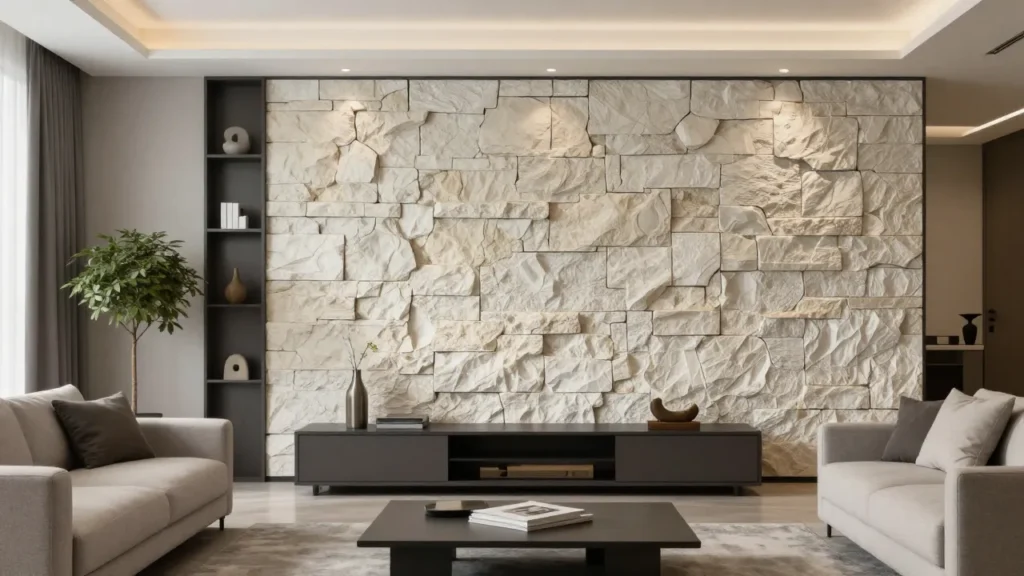
Your Trusted Partner for PVC Faux Stone Panels
Duolong Trade manufactures PVC faux stone panels for residential interior upgrades and commercial fit-outs that require a stone-inspired look with faster installation and controlled, repeatable results. Our customers include building material wholesalers, regional distributors, importers, home improvement retailers, shopfitting suppliers, and contractors who need a decorative wall cladding solution that is easy to transport and handle on site, installs efficiently, and delivers consistent visual impact across single-room remodels and multi-location rollouts. PVC faux stone panels are commonly specified for TV feature walls, living room accent walls, foyer/entry statements, retail and restaurant interiors, hotel lobbies and corridors, serviced apartments, rental property refresh projects, and light commercial wall upgrades—especially where speed, cleanliness, and uniform appearance matter.
Our PVC faux stone panels are produced with a stable PVC panel structure (configured by project requirement) and a stone-effect surface finish designed to provide a modern decorative look with everyday wipe-clean maintenance. The finished surface is intended to deliver consistent color tone, texture, and sheen, supporting repeatable outcomes for distributors and project buyers who need dependable results across multiple rooms or phases. We supply multiple surface options and project-friendly formats, including standard full-size panels and cut-to-size programs for partners who want to streamline installation and reduce on-site cutting time.
For PVC faux stone panel specifications, buyers typically focus on practical details: how cleanly the panel cuts, recommended corner/edge finishing methods (profiles, trims, or joint detailing), how it performs with common adhesives and sealants on typical substrates, and how well the surface holds up under routine cleaning and day-to-day contact in busy interiors. Consistency is also a key requirement—both for color matching across panels and for repeat procurement. We run routine production checks and maintain batch records to help support reorders and multi-phase projects with better continuity.
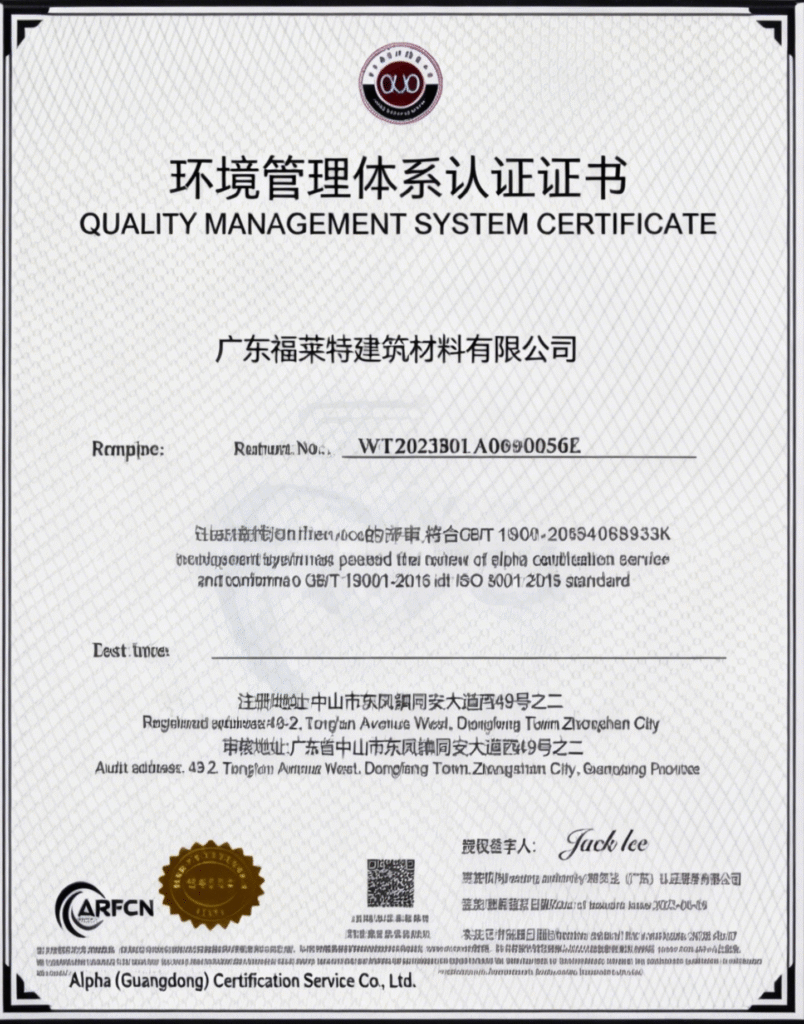
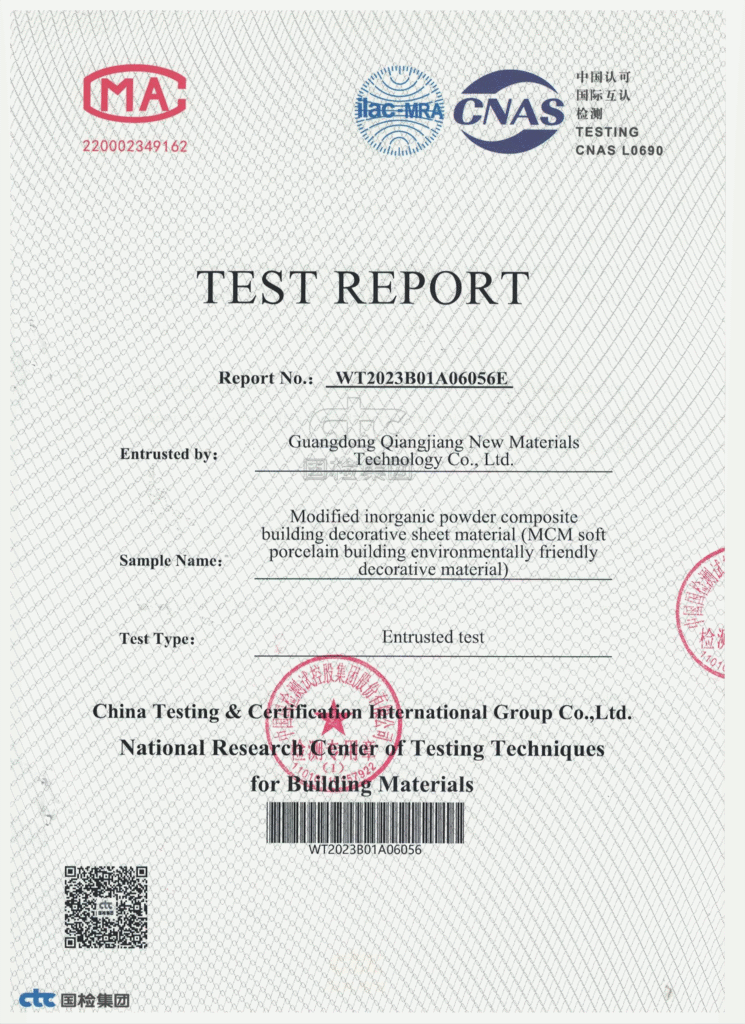
When your team needs documentation for approvals and procurement, we can provide an export documentation package, including product datasheets, packing lists, and available third-party test/report files depending on the exact panel configuration and destination requirements. We also provide straightforward English installation notes and basic handling guidance, helping your sales and technical teams respond efficiently to contractor questions about layout, cutting, fixing, and finishing.
We support OEM/ODM programs for distributors, including size customization, surface selection, sampling, and private-label packaging. Export packing is planned around container loading with corner/edge protection to help reduce transit damage. If you are sourcing PVC faux stone panels for interior decorative wall cladding, Duolong Trade can recommend suitable panel options by application, arrange samples for review, and confirm lead times based on your order volume and shipping schedule.
Products
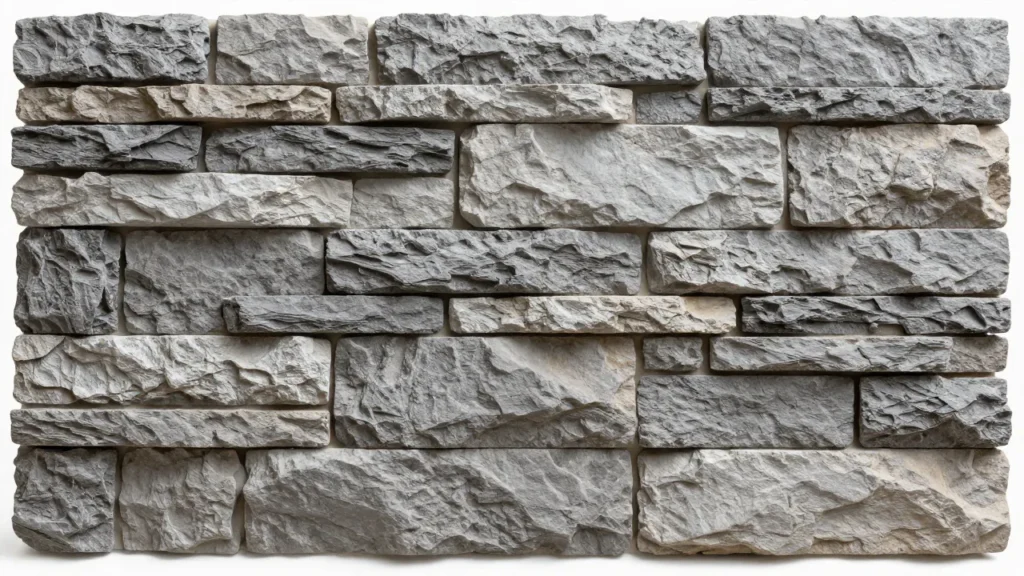
Stacked Slate Style PVC Faux Stone Panel
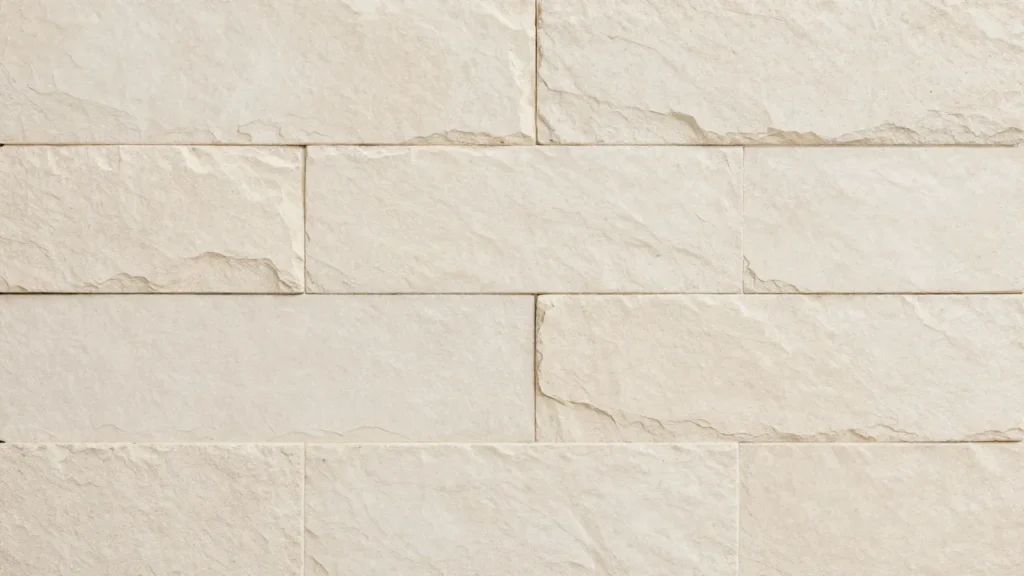
Polished Marble Style PVC Faux Stone Panel
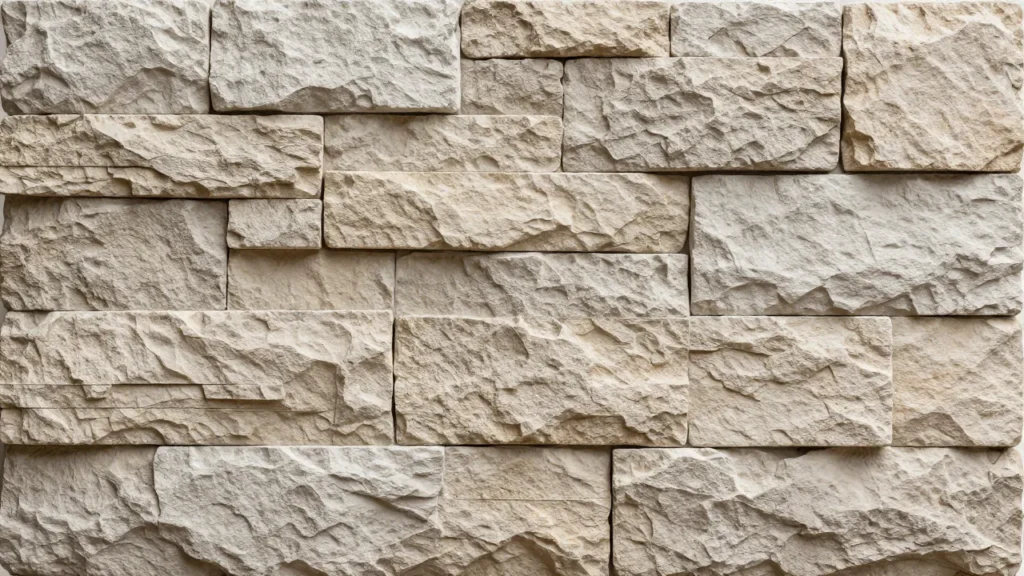
Rustic Fieldstone Style PVC Faux Stone Panel
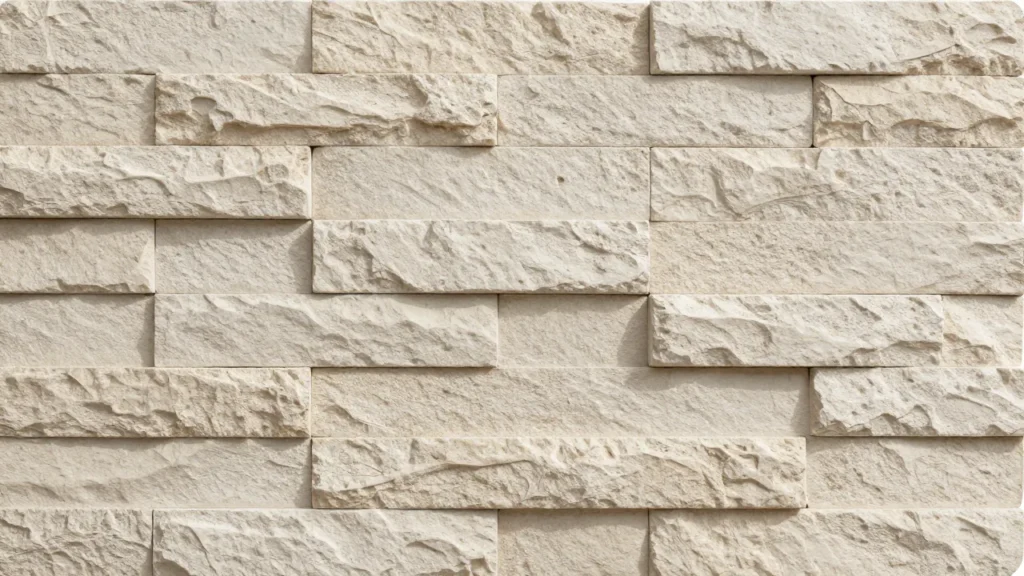
Modern Geometric Brick PVC Faux Stone Panel
Our Advantages

Stone-look wall cladding for commercial and residential spaces
Duolong Trade manufactures PVC faux stone panels for interior environments where designers and contractors want a realistic stone aesthetic without the weight and jobsite complexity of natural stone. These panels are commonly specified for feature walls, retail fit-outs, hospitality interiors, restaurants, corridors, lobbies, and fast-turnaround renovation projects. We offer multiple looks and surface effects, including marble-inspired patterns, slate textures, stacked-stone styles, and brick-like designs to suit different brand and décor requirements.
Built as a site-friendly panel solution
We focus on delivering an installation-ready product rather than only producing base sheets. Typical production control includes material checks, surface pattern and coating/lamination consistency, precision sizing and cutting, edge finishing for cleaner joints, and protective film application. When projects require it, we can support pre-planned cut positions for outlets, switches, or termination points, helping crews reduce on-site trimming and keep layouts tidy.
Key expectations: visual match, durability, easy upkeep
Buyers usually evaluate three practical areas:
consistency across panels and batches, including color tone, texture depth, and sheen level for repeatable results;
day-to-day durability for interior use, such as resistance to light scuffing and routine contact;
cleaning convenience, so the surface can be maintained with regular wipe-down procedures. To support multi-phase projects and reorders, we maintain batch tracking and carry out process checks aimed at minimizing visible variation.
Designed for quick coverage and cleaner finishing details
PVC faux stone panels are often chosen where schedules are tight and the finished look needs to be uniform. Larger-format coverage can reduce the number of seams, and compatible trims and corner profiles help make transitions look intentional. We can also share practical guidance on layout planning, cutting, joint detailing, and finishing so installers can achieve a more controlled final appearance.
why choose us
Stone-Look PVC Panels for Fast Interior Upgrades
Duolong PVC Faux Stone Panels are designed to deliver a realistic stone-inspired wall appearance with cleaner, larger-area coverage than small mosaic or piece-by-piece cladding. The panels are lightweight and project-friendly for feature walls, bathroom vanity backdrops, guest suites, rental refreshes, retail interiors, and hospitality renovations—especially where a consistent “stone” look is desired without heavy materials.
Made for interior moisture-prone spaces and wipe-down care
Many interiors need surfaces that tolerate humidity, splashes, and routine cleaning. PVC faux stone panels provide a wipeable face that can help reduce the maintenance points associated with grout lines in traditional systems. With correct detailing and sealing at joints, corners, and terminations, the finish can perform well in bathroom dry zones, tub-side walls, and vanity splash areas (application suitability depends on the specific panel and project conditions).
Quicker upgrades with less jobsite disruption
For renovation timelines, PVC faux stone panels can streamline installation by reducing wet trades and minimizing on-site mess. When the substrate meets flatness and bonding requirements, installers can cover walls efficiently, keep cuts controlled, and reduce rework—useful for occupied homes, multi-unit turnovers, and phased commercial refurbishments.
Textures and patterns aligned with design intent
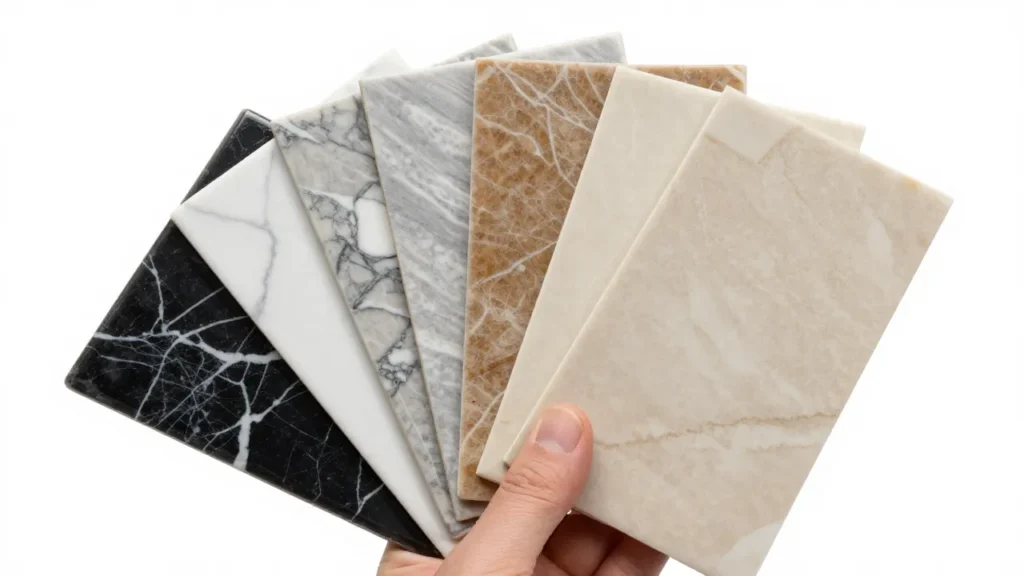
We offer a range of visual directions, including marble-like veining, slate textures, stacked-stone looks, and brick-inspired patterns (availability varies by collection). Different surface effects and relief depths can help teams match lighting, cabinetry, metal trims, and flooring to achieve a more coordinated interior finish.

Panel sizes, thickness choices, and supply formats
We supply common sheet formats used in wall cladding programs, including 4’ × 8’ (1220 × 2440mm) and other project-driven sizes. Thickness options, edge conditions, and packing methods can be selected to fit your installation approach and local trade preferences. Matching trims, corners, and end profiles can also be provided to complete a more intentional, finished transition.
Samples, layout support, and cut planning assistance
Samples are available for confirming color tone, pattern scale, and surface texture before production. If needed, we can also share practical guidance on panel orientation, seam placement, corner solutions, and cutout planning around outlets or wall fixtures to reduce uncertainty during installation.
Quality checks, export packing, and repeat-order continuity
Production is managed with process controls focused on dimensions, surface quality, and appearance uniformity. Panels ship with protective film and reinforced export packaging to help reduce transit damage. For project documentation or market requirements, we can support submittal preparation and coordinate third-party testing when needed based on destination standards and product configuration.
FAQ
What are PVC faux stone panels? Do they look realistic?
They are decorative wall panels made from PVC with embossed textures and surface films/coatings that mimic marble, slate, stacked stone, and other looks. In normal indoor lighting they can appear quite convincing; up close, they read more like a high-quality decorative finish rather than real stone.
Where can I install them at home (living room, bedroom, dining room)?
Common uses include TV feature walls, entryway accent walls, hallways, bedroom headboard walls, dining room accents, and home office backdrops. Avoid areas with direct high heat or open flames (for example, very close behind a gas stove) and locations with intense, prolonged direct sunlight.
Can I use them in a bathroom or inside a shower? Are they waterproof?
The PVC surface handles humidity and everyday splashes well, but “shower direct-spray use” depends on the full installation system and sealing details. They are typically best for bathroom dry zones, vanity backsplashes, and non-direct-spray areas. For direct shower zones, water risk usually comes from seams/edges and poor waterproofing details rather than the panel face itself.
Are they easy to clean? Will dirt get stuck in the texture?
Routine cleaning is simple: a soft cloth or sponge with a mild, neutral cleaner. Avoid harsh solvents (e.g., acetone), strong acids/alkalis, and abrasive pads/steel wool, which can dull or damage the surface. Deep-relief textures may collect more dust, so occasional wipe-down along grooves helps.
Do I need a professional installer, or can I DIY?
DIY is possible if you’re comfortable with measuring, layout, cutting, and finishing details. The key is a flat, solid substrate, good panel alignment, clean corner/edge finishing, and proper adhesive and seam sealing. For large walls, many corners, or a “perfect finish” expectation, hiring an experienced installer is recommended.
How are the panels attached? What adhesive should I use—will they fall off?
Most installations use adhesive bonding (construction adhesive or a compatible panel adhesive), sometimes supported by trims and occasional mechanical fastening depending on the wall and design. Long-term hold depends on substrate condition (no loose paint, dust, hollow spots), correct adhesive selection, proper application, and allowing full cure time. A small test bond is a smart step before full installation.
Can I cut them or make holes for outlets and switches?
Yes. Depending on panel thickness and structure, people use a utility knife (score-and-snap for thinner sheets), jigsaws, or fine-tooth saws. For outlets/switches, mark carefully, cut slightly undersized if needed, and finish edges with trim pieces or sealant for a cleaner look.
Are they scratch- and impact-resistant?
They handle everyday wiping and light contact well, but they are not “scratch-proof.” Sharp objects, gritty abrasion, and hard impacts can leave marks or dents. For high-traffic areas where furniture rubs repeatedly, consider smoother finishes or versions with more durable surface layers.
Do they smell? Are they safe and eco-friendly?
Odor is usually mild and temporary on compliant products, and good ventilation after installation helps. Odor/VOC performance can vary by surface film/coating and—importantly—by the adhesive and sealant used on site. If you are sensitive to indoor air quality, ask for relevant compliance documents/testing reports and choose low-VOC adhesives/sealants.
How do I calculate how many panels I need? Will there be color variation?
Measure the net wall area and add waste: typically 5%–10%; for many corners/cutouts or pattern matching, 10%–15% is safer. To minimize visible variation, purchase enough for each wall from the same batch when possible; if you must reorder later, keep a sample and confirm batch/lot consistency before buying.
Transaction Process

Inquiry and requirement confirmation
Confirm application (interior/exterior), sizes, finishes/colors, quantity, destination, and any accessory needs. Align on technical requirements such as substrate condition, climate exposure, and curved-surface needs.
Quotation, samples, and approval
Issue a formal quotation with product options, lead time, and Incoterms. Provide samples for color/texture confirmation. Finalize specifications based on approved samples as the acceptance benchmark.

Order placement, payment, and production
Confirm the order via Proforma Invoice (PI), arrange the agreed payment, and schedule production. Maintain batch control and quality inspection during manufacturing and pre-shipment packing checks.
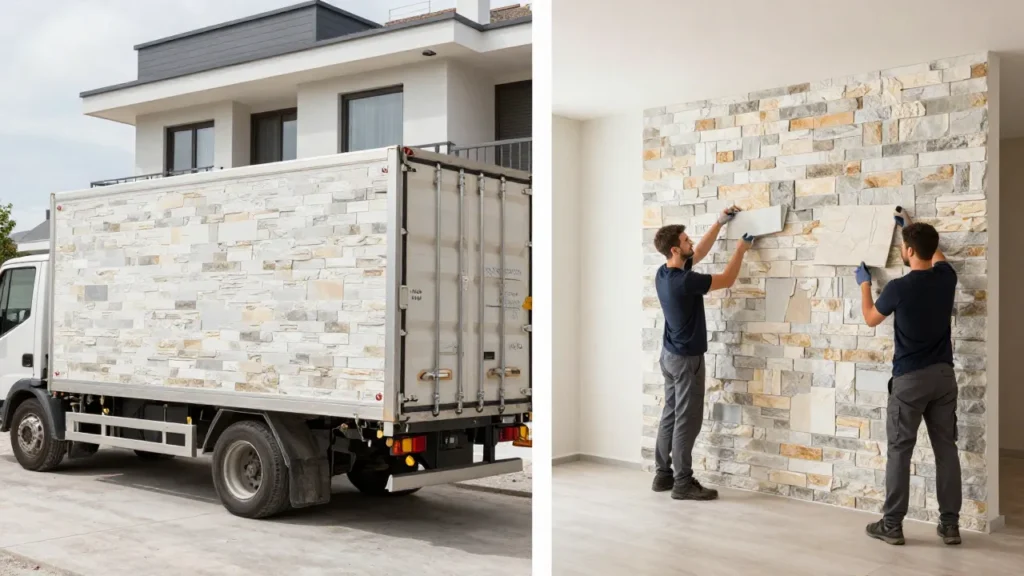
Shipment, documents, and after-sales support
Arrange shipping (FCL/LCL/air), provide export documents (invoice, packing list, B/L or AWB, and other required certificates), support customs clearance coordination, and handle receiving inspection, claims, replacements, and installation support.
Table of Contents
Indoor Outdoor Placement and Daily-Wear Planning
PVC Faux Stone Panels are typically best used as an interior decorative wall system. You will get more reliable results when you plan them as part of a complete wall assembly, not just as a surface cover. The first decision is where the panels will be installed and what that wall will face every day: contact impact, scuffs, cleaning frequency, humidity, and temperature changes. Indoors, set expectations early for durability and maintenance. Entryways, corridors, stair walls, and commercial circulation areas see far more abrasion than a living-room feature wall. Define what cleaners are acceptable, and decide how you will protect edges, corners, and transitions at baseboards, door casings, and countertops. Outdoors, the bar is much higher. UV exposure, rain, temperature cycling, wind-driven water, freeze–thaw, and long-term moisture management all increase risk at seams and edges. Many PVC faux stone panel configurations are not intended to function as a standalone exterior facade finish. If an exterior use is proposed, treat it as project-specific engineering: confirm the exact panel specification, evaluate the full wall build-up, and validate detailing to keep water from getting behind the panels and causing bond loss, staining, or edge failure. Start from the substrate. Whether inside or outside, the wall must be flat, solid, dry, and free of chalking or hollow spots. Damp or unstable surfaces are a fast path to bubbling, debonding, and edge lifting. Before you commit, build a small mockup to confirm the look under real lighting and to prove that prep, adhesive, trims, and sealing work together.
Curved Walls and Columns Radius Seams and Finishing
Most PVC faux stone panels are rigid or semi-rigid, so “fully bendable” expectations should be realistic. Curves and columns can still be done well, but only when you respect minimum radius limits and plan the seam and edge strategy up front. Check the radius first. Gentle curves may be achievable depending on thickness, core structure, and installation method. Tight radii can trigger stress whitening, edge cracking, spring-back, or visible buckling. The safest approach is to test a sample on the same radius and observe stability after 24–48 hours. Columns and wraps need a seam plan. Many installations look best when vertical seams align with sightlines, lighting features, metal trims, or adjacent architectural lines. A planned seam becomes a deliberate design detail instead of a last-minute compromise. Renovation walls can hide weak paint, hollow plaster, loose skim coats, moisture, and uneven patches. Panels install fast, but they still require a stable, clean surface that can hold the bonding system. Simple checks—moisture inspection, adhesion pull tests, and removing weak layers—reduce future failures. Edges are where curved work looks premium or cheap. Plan protections such as metal trims, returns, corner guards, or controlled sealant joints based on traffic level and the finish you want. High-contact zones benefit from added edge protection.
Sunlight Humidity Splash Zones and Heat Boundaries
With PVC faux stone panel walls, “durability” is mainly about how the decorative surface and top layer handle light, cleaning, moisture, and temperature. Define exposure boundaries clearly to avoid avoidable failures. Sunlight matters indoors too. Strong daylight and long exposure can gradually affect tone or gloss depending on the film and coating quality. If the wall receives intense sun, validate expectations with samples in real conditions. Humidity and splash exposure need zoning. The face may be wipeable, but water entry risk comes from seams, edges, cutouts, and capillary paths. Panels are typically easier to manage in bathroom dry zones and vanity backsplash areas; for direct, continuous wet exposure, you need a defined waterproofing strategy and reliable seam/edge sealing. Heat zones must be decided early. PVC-based decorative panels are generally not designed for direct high heat or open flame proximity. Heat can deform the panel, soften the bond line, or damage the surface. For fireplaces, cooking lines, or hot-air outlets, specify a heat-rated solution and protective detailing with appropriate clearance. Movement still needs a plan. Even indoors, seasonal temperature and humidity changes can cause small movements. Without transition joints, stress concentrates at corners, openings, and long runs. A mockup is a practical risk reducer for high-light, humid, or heat-adjacent walls.
Substrate Prep Primers and Adhesive System Selection
Most PVC faux stone panel problems start at the wall and the bond line, not in the pattern. The goal is a substrate that is flat, stable, dry, and compatible with the selected primer/adhesive system so outcomes are repeatable across crews and phases. Start with flatness. Large-format panels reveal wall waves through shadow lines and stepped seams. Check with a straightedge, correct with compatible leveling materials, and use a simple acceptance rule instead of relying on “looks fine.” Moisture and surface stability are critical. Excess moisture weakens adhesion and can cause changes behind the panel. Renovation walls are higher-risk due to dust, wallpaper glue, weak paint, or chalky layers. Remove unstable layers, abrade if needed, and clean without leaving residues. Treat primer as part of the system. Some substrates need primer to control suction and improve bonding, but the wrong primer can reduce adhesion. Select primer based on substrate type and adhesive chemistry, and keep it consistent. Match the adhesive to the panel and exposure. Follow the specified method for open time, coverage, pressure, and cure conditions. Hollow spots and corner lifting often come from poor coverage, contamination, or rushed placement. Control temperature and humidity during installation and define when the wall can be cleaned or put into service.
Seams Corners Terminations Trims and Sealant Control
A PVC faux stone panel wall looks intentional or improvised based on seam and edge decisions. These details also protect the system by managing impact damage and moisture entry at joints and terminations. Choose joint width on purpose. Tight joints look more monolithic but require excellent flatness and consistent cutting. Slightly wider joints can hide minor variation and create a deliberate grid, especially under grazing light. Define target joint width, tolerance, and alignment methods. Treat corners as priority zones. Outside corners are the most vulnerable to chipping and peeling if unprotected. Options include metal trims, reinforced corner profiles, returns, or controlled sealant joints. High-traffic areas benefit from protective corner detailing. Plan terminations early at ceilings, floors, and material transitions. Shadow gaps look high-end only when edges are straight and profiles are consistent. Standardize transition methods such as trim overlap, profile-backed butt joints, or defined sealant joints. Openings require layout planning. Avoid thin slivers and avoid placing seams where they create stress at opening corners. Coordinate cutouts for outlets, switches, rails, signage anchors, and lighting early to reduce cracking and misalignment. Use sealant carefully. Sealant accommodates movement, but messy sealant collects dirt and looks low-quality. If sealant is needed, define type, color, masking/tooling method, and approved locations.
Panel Format Thickness Core Type Handling and Selection
PVC faux stone panels install quickly, but the format you choose controls how clean the wall looks and how easy the job is on site. Larger panels reduce seams. Feature walls often look cleaner with fewer joints and can install faster per square meter. However, larger panels demand better wall flatness and careful handling to avoid edge damage and to fit site access constraints. Thickness and core type should match wall conditions. Thicker or stiffer panels can mask minor wall imperfections better, but they are harder to adapt to curves. Thinner panels are easier to cut and handle, but they require a flatter substrate to avoid telegraphing wall waves. Lower weight improves productivity. Lightweight panels reduce fatigue, speed staging, and reduce handling damage—especially in renovations with limited access. Factory cut-to-size can reduce jobsite dust and improve consistency for repeat modules, but it requires accurate site measurement and drawing control, plus allowances for installation tolerances and trim coverage. Packaging and handling should match panel size. Large sheets need stronger edge protection and clear zone-by-zone labeling so installers can work efficiently without excessive resorting.
Pattern Matching Batch Traceability and Reorder Strategy
PVC faux stone panels often use printed/laminated visuals and embossed textures, so appearance consistency is achievable—but only if the project is managed with batch discipline. Start with an approval benchmark. Approve a reference sample under your real lighting for pattern scale, tone, and gloss, and keep it as the standard for later deliveries. Keep batches traceable. Cartons and pallets should show clear batch/lot IDs so panels can be allocated by wall zone. Random mixing can create visible tone or gloss shifts on large continuous walls. If you expect phased orders, lock key parameters early: pattern code, gloss level, thickness, core type, panel size, and trim color. Small changes can be obvious even when the product name stays the same. Inspect before installation. Check dimensions, surface condition, edge integrity, gloss uniformity, and pattern consistency while material is easy to sort. Keep simple records such as pallet photos and batch labels. Storage impacts appearance. Store panels flat, dry, and protected to prevent warping, edge damage, or surface scratches that later read as seam inconsistency.
Buying Lead Times Documents Packaging and Claim Handling
A smooth PVC faux stone panel purchase depends on precise specification, predictable lead time, damage-safe delivery, and a clear process for claims.
Define exactly what you are purchasing: pattern name/code, finish (gloss/matte/texture), panel size, thickness, core type, trims, and the intended environment (interior, humid area, or special exposure). Vague descriptions lead to mismatched expectations at scale.
Build samples and a small test wall into your timeline. Swatches help selection, but a test wall confirms seams, corner details, and how the surface reads in your lighting—and it validates your adhesive and trims.
Confirm required documents early. Typical export paperwork includes packing list, commercial invoice, and certificate of origin when needed; compliance or testing documents may be required depending on destination and configuration.
Packaging is essential. Use protective film, corner protection, moisture barriers, reinforced cartons/pallets/crates, and clear SKU/room labels—especially when multiple patterns or rooms ship together.
Lead time is a process: sample approval, production booking, manufacturing, QC, packing, and transit. Lock specs early to reduce change-driven delays.
Use a written claim workflow. Define inspection timelines, required photos (outer package, labels, protection condition, damage close-ups), what qualifies as a claim, and replacement/credit steps. Clear rules prevent small delivery issues from turning into schedule problems.