
Flexible Stone Veneer Sheets
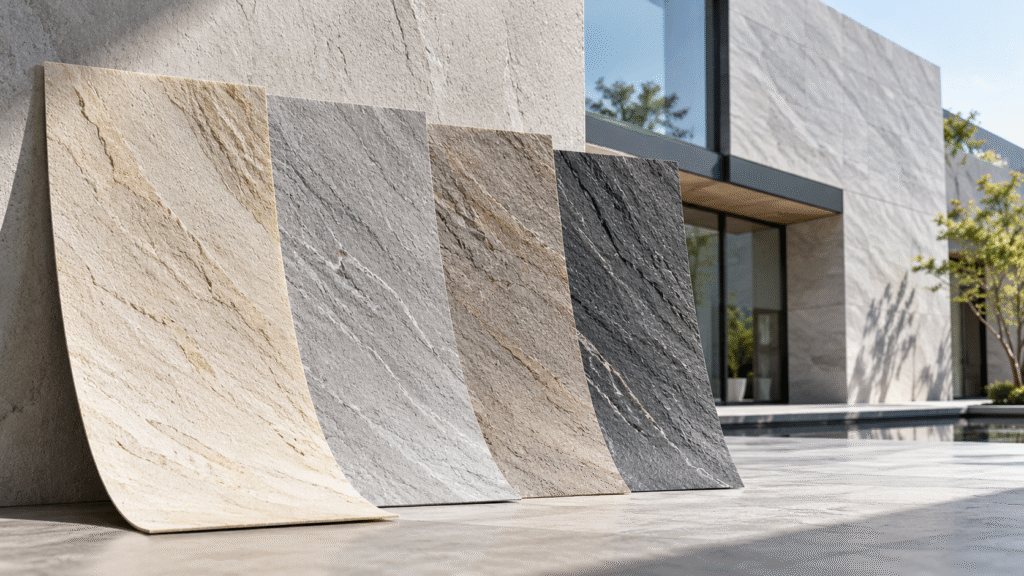
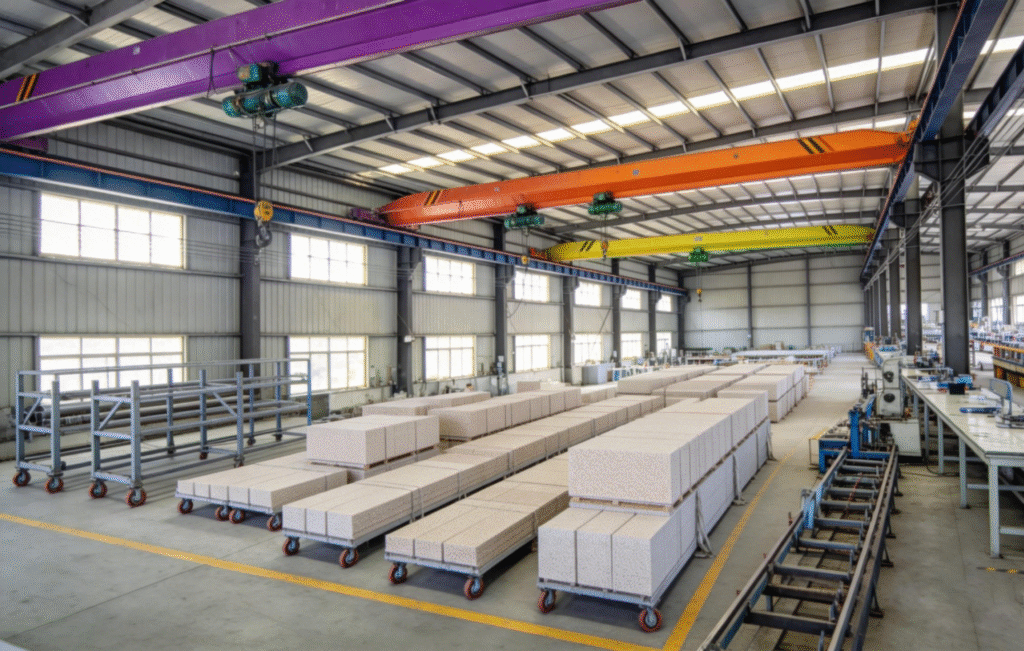
Flexible Stone Factory
Duolong operates its own flexible stone production facility, with daily work focused on stable output, batch consistency and practical order handling. From raw material preparation to surface forming, drying, cutting and final inspection, each step is managed according to clear production requirements.
Before packing, panels are checked for size, surface finish, color difference and visible defects. This helps reduce variation between different batches, especially for larger project orders where consistency matters more than small sample appearance.
Our factory is equipped to handle both regular production and customized order quantities. Different textures, colors and panel sizes can be arranged based on actual project needs. For repeat customers, production records are kept to make future orders easier to match.
Packaging is also adjusted according to product size, order volume and shipping method. Cartons, pallets and protective materials are selected to reduce damage during loading and transportation.
We do not rely on outsourced production. Manufacturing, quality control, packing and order preparation are handled within our own supply process, which gives us better control over delivery schedules and long-term supply stability.
Products
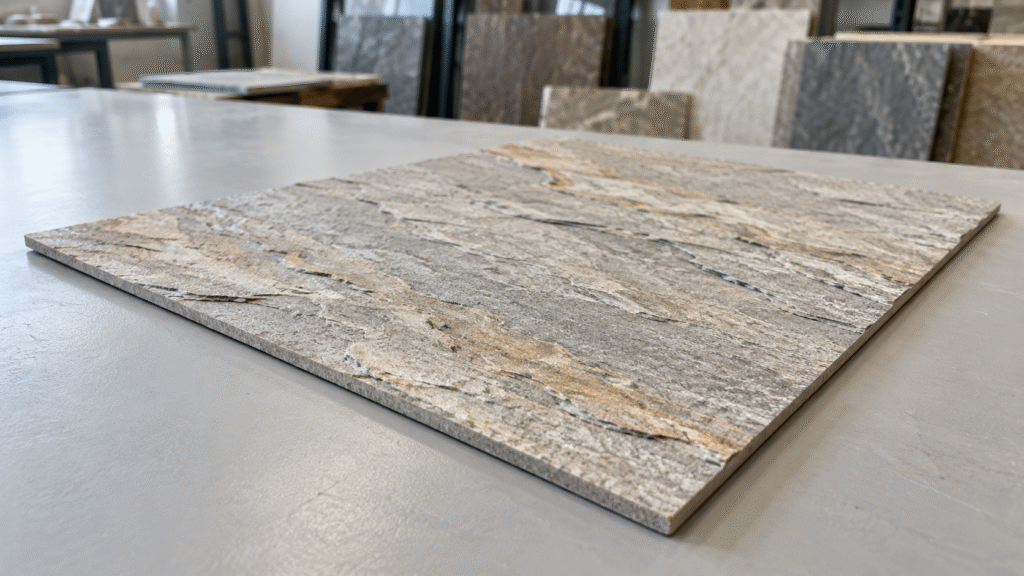
Light Gray Slate Flexible Stone
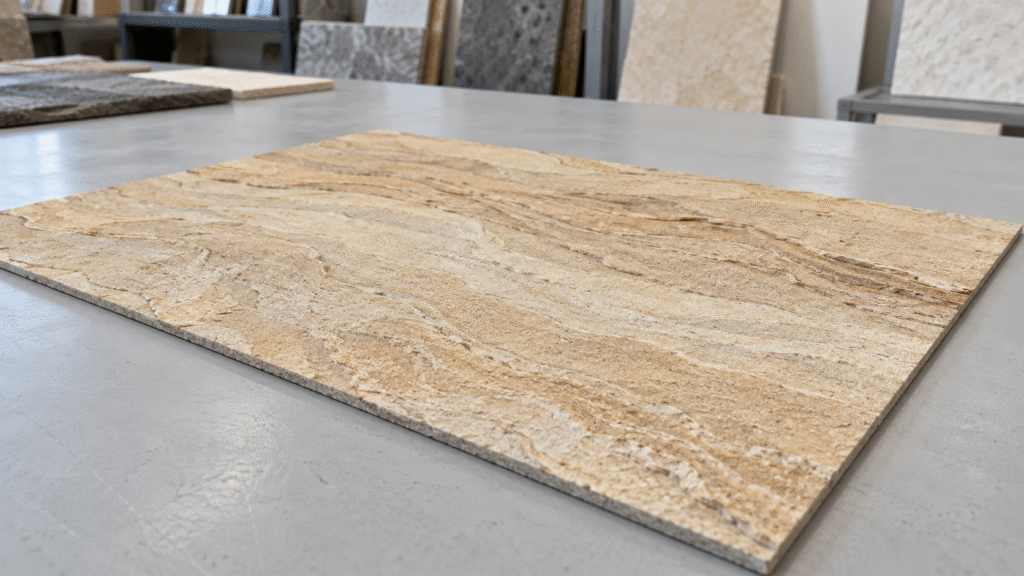
Beige Sandstone Flexible Stone
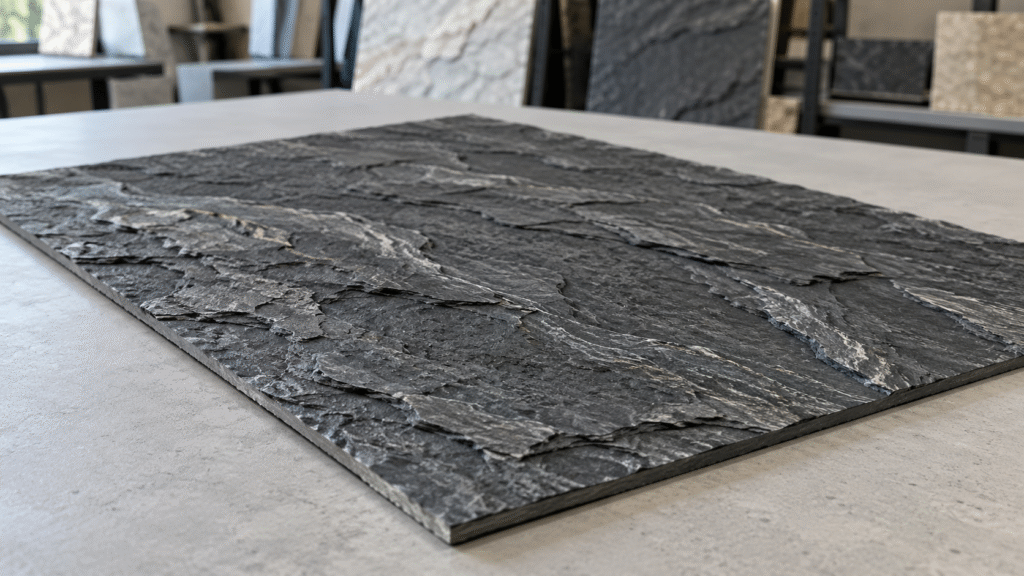
Charcoal Slate Flexible Stone
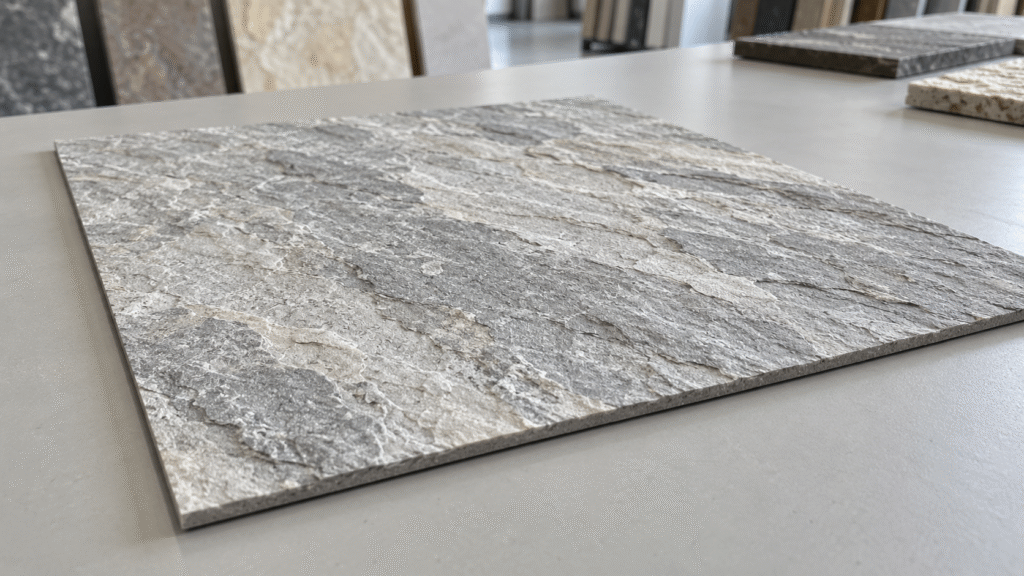
Silver Gray Flexible Stone Veneer
Our Advantages

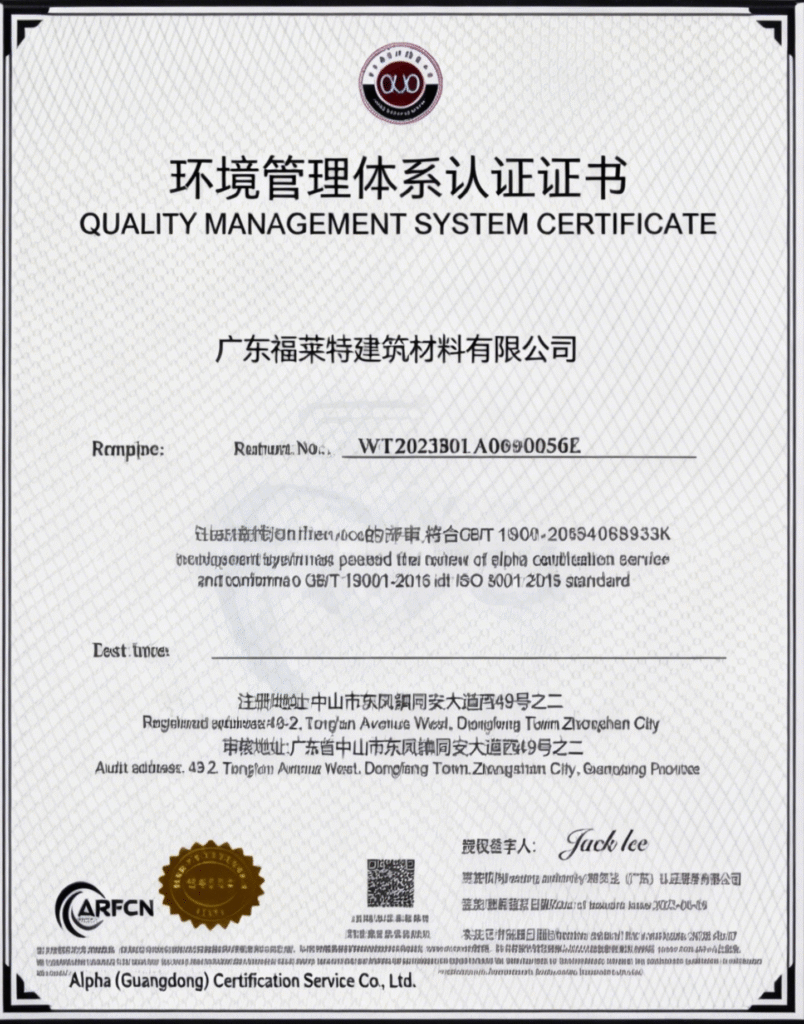
Flexible Order Support
Orders can be arranged according to actual project quantity, making it easier for customers to start from samples, small project orders or regular bulk purchasing.
Wide Surface Selection
Different stone textures, colors and finishes are available, giving distributors and project buyers more options for different design styles and local markets.
Direct Factory Communication
Customers communicate directly with the production side, which helps reduce unnecessary information gaps when confirming specifications, samples and order details.
Project-Based Product Matching
We can recommend suitable flexible stone specifications based on wall type, application area and project requirements instead of offering only fixed standard options.
why choose us
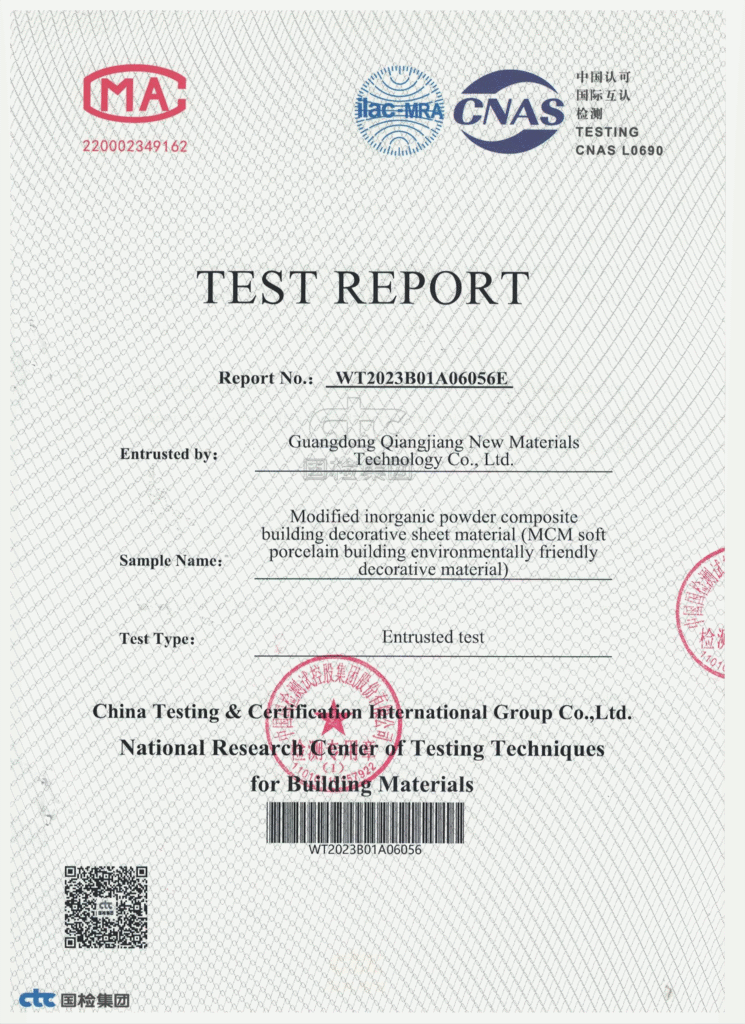
Clear Product Information
Product size, thickness, surface finish and application details are confirmed clearly before ordering, helping buyers avoid specification mistakes.
Sample Before Order
Customers can check the actual color, texture and flexibility through samples before moving forward with a project or bulk purchase.
Practical Product Selection
We recommend products based on the actual wall condition and project use, rather than simply pushing the highest-priced option.
Fast Quotation Response
Quotations can be prepared according to quantity, specification and destination, making project cost evaluation more straightforward.
Order Detail Confirmation
Key order information is checked again before production, including model, color, quantity and packing requirements.
Export Order Experience
We are familiar with handling overseas building material orders and understand the basic requirements involved in international purchasing and shipment preparation.
After-Sales Communication
If questions appear after delivery, customers can contact our team directly for product information, installation guidance or order-related support.
FAQ
What should be considered before using flexible stone on exterior walls?
Check the wall condition, local climate, adhesive and joint treatment. The substrate should be clean, flat, dry and stable before installation.
How does flexible stone differ from natural stone cladding?
Flexible stone is thinner, lighter and easier to cut than traditional stone. It is more suitable for projects that require faster installation and lower wall load.
Will flexible stone have color differences between batches?
Slight color and texture differences may occur between production batches. Large projects are better produced in one batch to improve overall consistency.
Can flexible stone be installed over existing walls?
Yes, depending on the existing surface condition. Loose paint, dust, moisture or uneven areas should be treated before installation.
What adhesive should be used for flexible stone?
Adhesive selection depends on the wall substrate and application environment. Exterior or humid areas usually require stronger water and weather resistance.
Can flexible stone be used on curved surfaces?
Yes, it can adapt to certain curved walls and columns. The bending ability depends on the panel thickness, texture and curve radius.
What should contractors check during installation?
Pay attention to wall preparation, adhesive coverage, panel alignment and joint treatment. Poor installation can affect both appearance and long-term performance.
How should flexible stone quantity be calculated?
Calculate the total wall area first, then add extra material for cutting and installing waste. Irregular walls normally require a higher allowance.
What should buyers check when evaluating samples?
Check color, texture, thickness, flexibility, backing and edge quality. For project orders, it is also useful to test cutting and installation performance.
What information is needed for a project quotation?
Provide the product style, panel size, quantity, application area and destination. Project drawings or wall dimensions can help make the quotation more accurate.
Transaction Process

Inquiry and requirement confirmation
Confirm application (interior/exterior), sizes, finishes/colors, quantity, destination, and any accessory needs. Align on technical requirements such as substrate condition, climate exposure, and curved-surface needs.
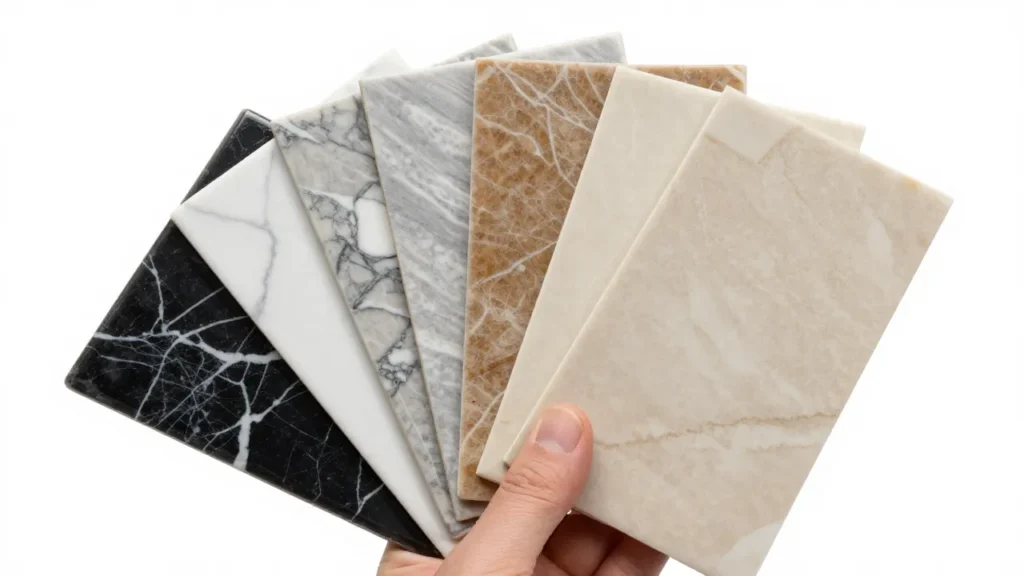
Quotation, samples, and approval
Issue a formal quotation with product options, lead time, and Incoterms. Provide samples for color/texture confirmation. Finalize specifications based on approved samples as the acceptance benchmark.

Order placement, payment, and production
Confirm the order via Proforma Invoice (PI), arrange the agreed payment, and schedule production. Maintain batch control and quality inspection during manufacturing and pre-shipment packing checks.
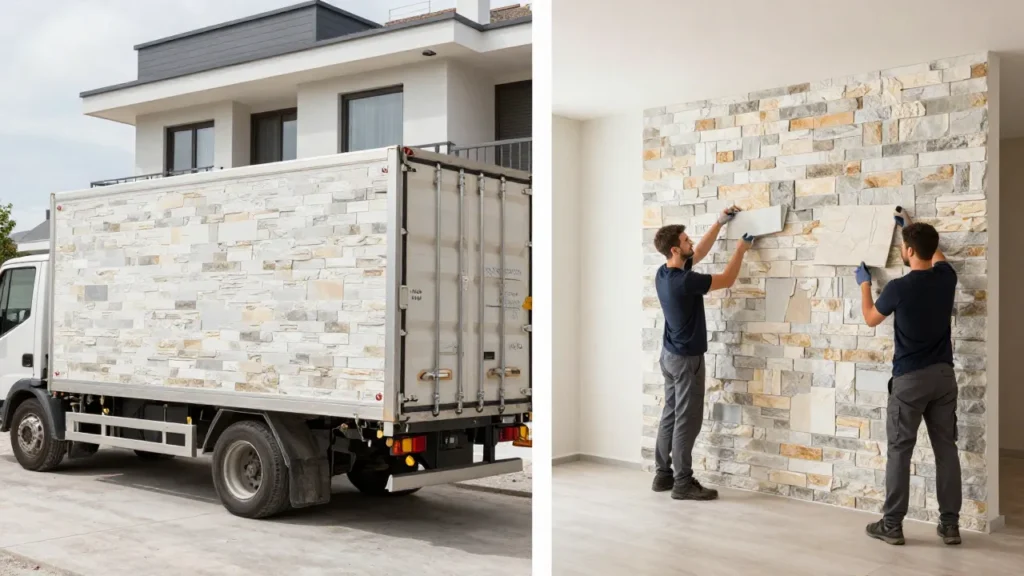
Shipment, documents, and after-sales support
Arrange shipping (FCL/LCL/air), provide export documents (invoice, packing list, B/L or AWB, and other required certificates), support customs clearance coordination, and handle receiving inspection, claims, replacements, and installation support.
Table of Contents
Flexible Stone Veneer Sheets for Large Wall Projects
For large wall projects, choosing a decorative material is rarely just about appearance. Contractors and buyers also have to think about transportation, handling, installation time, cutting waste and whether the material can be supplied consistently throughout the project. This is one reason flexible stone veneer sheets are becoming an option for commercial and renovation work.
Compared with traditional stone slabs, flexible stone veneer sheets are easier to move around a jobsite. Workers do not need to handle the same amount of weight, and the material can usually be cut with simpler tools. This becomes more noticeable when a project includes several floors, narrow corridors or areas where moving large stone pieces would be difficult.
The surface is still an important part of the decision. Different projects may require a rough stone appearance, a more even finish or a specific color range. Buyers should therefore look at physical samples before confirming a large order. Photos are useful for initial selection, but texture and color often look different under natural light.
Project quantity also needs to be planned carefully. Ordering only the exact wall area can create problems later if there is cutting waste, damaged pieces or additional work on corners and edges. A reasonable allowance should be included according to the layout and installation method.
For larger orders, batch consistency deserves attention. Flexible stone is a decorative surface material, so small differences between production runs may be more visible when panels are installed side by side. Where possible, material for the same wall or project phase should be produced together.
Installation preparation matters just as much as the panel itself. A wall that is dusty, uneven or unstable can affect the final result. Contractors should check the substrate before installation and make sure the adhesive matches both the wall and the environment.
For importers and distributors, flexible stone veneer sheets also offer a practical advantage: one product category can cover several design styles without requiring heavy stone inventory. Different textures and sizes can be selected according to local demand.
The best way to evaluate flexible stone is not to compare one sample only. Buyers should consider the complete project process—from ordering and shipping to cutting, installation and future repeat orders. A material that works smoothly through all these stages usually brings more value than one chosen only because the sample looks good.
What Wholesale Buyers Should Check Before Ordering Flexible Stone Veneer Sheets
Wholesale buyers usually look at price first, but price alone does not tell much about whether a flexible stone product will work well in the market. Two panels can look similar in photos while performing very differently when they are cut, bent, packed or installed.
The first thing to check is the surface. Texture should look natural rather than printed or overly uniform. Depending on the design, some variation is normal and can make the finished wall look more realistic. Buyers should compare several pieces from the same batch instead of checking only one sample.
Thickness is another point worth confirming. A thicker product is not automatically better. The correct thickness depends on the application, surface design and installation requirements. What matters more is whether the thickness remains reasonably consistent across the panels.
The backing should also be checked. Since flexible stone is handled, cut and bonded to a wall, the back of the material affects how easy it is to work with. A buyer should examine whether the backing is even and whether there are obvious weak areas or separation.
For distributors, packaging matters because products may be moved several times before reaching the final customer. Panels that arrive with damaged corners or heavily compressed surfaces can create complaints even if the original product quality was acceptable. Packaging should therefore match the panel size and shipping method.
Another important issue is color matching. If a customer orders material for one project in different batches, small differences may become visible after installation. Wholesale buyers should keep basic records of product codes, colors and previous orders whenever possible.
Samples should also be tested rather than simply displayed. Try cutting the panel, bending it slightly and placing it against different wall surfaces. This gives a better understanding of how the product behaves during real installation.
When asking for a quotation, buyers should provide more than just square meters. Panel size, texture, quantity, destination and packing requirements can all affect the final price. Giving complete information from the beginning usually reduces repeated communication.
A good wholesale purchase is not simply the cheapest container. It is an order that arrives in usable condition, matches the approved sample closely and can be reordered without unnecessary problems. For flexible stone veneer sheets, these practical details matter more than a long list of marketing claims.
Flexible Stone Veneer Sheets in Commercial Renovation Projects
Commercial renovation often comes with limitations that do not exist in new construction. The building may already be operating, access may be limited, working hours may be restricted, and contractors may need to finish the project without creating too much dust or heavy structural work.
Flexible stone veneer sheets can be useful in this type of situation because they provide a stone-style wall surface without requiring the same handling process as thick natural stone.
In hotel renovations, for example, materials may need to pass through elevators, corridors and finished interior spaces before reaching the installation area. Large stone slabs can be difficult to move and may require additional equipment. Flexible panels are easier to carry and organize on site.
Retail projects have another concern: time. Stores often want to reduce closure periods, and contractors may be working within short renovation windows. A wall material that can be measured, cut and installed with fewer heavy processes can help simplify the schedule.
This does not mean every existing wall is ready for installation. Old paint, loose plaster, moisture and uneven surfaces still need to be dealt with. Flexible stone follows the condition of the substrate more closely than thick rigid stone, so poor wall preparation can remain visible after installation.
Designers should also plan panel direction and joint positions before work starts. Stone-style textures usually look better when the layout is considered across the entire wall rather than installing one panel at a time without a pattern.
Color should be checked under the actual lighting used in the project. Warm hotel lighting, bright retail lighting and natural daylight can make the same surface appear different. This is why physical samples remain useful even when high-resolution product photos are available.
For contractors, cutting details around switches, corners, windows and doors should also be considered before ordering. These areas often create more waste than large flat walls.
From the buyer’s side, the main advantage of flexible stone veneer sheets is not simply that the material bends. The biggest benefit is that it can make wall renovation easier to manage where weight, access and installation speed are important.
A successful renovation still depends on correct preparation and workmanship. Flexible stone should be treated as part of a complete wall system rather than a decorative sheet that can be placed over any surface without preparation.
How Contractors Plan Flexible Stone Veneer Sheet Installation
Flexible stone veneer sheets are easier to handle than many traditional wall materials, but good installation still depends on planning. Most problems appear not because the panel itself is difficult to use, but because the wall, adhesive or layout was not prepared properly.
Before installation starts, the wall should be inspected carefully. Loose paint, dust, grease, cracks and hollow plaster areas need to be treated. The surface should also be reasonably flat. Thin decorative materials will not hide major wall defects.
The next step is layout planning. Contractors should measure the wall and decide where full panels, cut pieces and joints will appear. Starting installation without a clear layout can lead to narrow pieces at corners or visible pattern interruptions.
It is also useful to open several packages before installation and compare the panels. Stone-style materials may contain slight variations in tone and texture. Mixing panels across the wall can often create a more natural result than using one package at a time.
Adhesive should be selected according to the substrate and environment. An adhesive suitable for a dry interior wall may not be the best option for an exterior façade exposed to rain and temperature changes. Local installation conditions should always be considered.
During installation, adhesive coverage should be even. Empty areas behind the panel can affect bonding and may become a problem later. Workers should press the material properly and check alignment before the adhesive begins to set.
Corners require particular attention. Flexible stone can work around certain curved or angled areas, but very tight corners may still need cutting or separate edge treatment. Testing one piece first is usually better than forcing the material into a shape it was not designed to take.
Joint treatment also affects the final appearance. Some designs look better with visible joints, while others are installed with minimal spacing. The choice should be decided before installation begins.
After completion, the wall should be checked for loose edges, uneven joints and adhesive marks. Cleaning should follow the recommendations for the specific surface finish.
For contractors, flexible stone veneer sheets are not complicated, but they reward careful preparation. A well-planned installation can look much cleaner and usually reduces waste, rework and unnecessary material loss.
Flexible Stone Veneer Sheets for Hotels and Commercial Interiors
Hotels, restaurants and commercial interiors often use wall finishes to create a strong visual impression, but the material also has to work within real construction conditions. Designers may want the appearance of stone while contractors have to deal with weight limits, installation access and tight project schedules.
Flexible stone veneer sheets offer another option between painted walls, ceramic finishes and traditional stone cladding. They can create a textured stone appearance without bringing the same weight and handling requirements as thick stone pieces.
In a hotel lobby, for example, large wall areas may need a consistent finish while still allowing work around doors, columns and decorative details. Flexible panels can be cut to suit these areas more easily than rigid stone slabs.
Restaurants and retail spaces often have different requirements. The wall finish needs to look distinctive, but construction work may have to be completed quickly. Heavy cutting and complicated lifting are not always practical, especially when the site is inside a shopping mall or an existing building.
Color selection is important in these projects. Dark stone textures can create a heavier, more dramatic appearance, while lighter finishes may suit spaces where the designer wants more natural light. Buyers should review samples together with flooring, lighting and furniture materials instead of choosing the wall finish separately.
The texture also needs to match the viewing distance. A very strong surface pattern may work well on a large lobby wall but feel too busy in a small room. More subtle finishes can sometimes work better in narrow corridors or smaller commercial spaces.
For project buyers, another practical consideration is replacement material. Keeping a small quantity from the original batch can be useful in case future repair work is needed. Matching a decorative surface several months later may be more difficult if the original batch is no longer available.
Installation areas should also be checked before ordering. Interior walls near entrances, kitchens or humid areas may have different requirements from dry decorative walls.
Flexible stone veneer sheets can work well in commercial interiors when the material is selected as part of the overall design and construction plan. The best results usually come from matching the texture, wall condition and installation method rather than choosing a panel only from a catalog image.
Flexible Stone Veneer Sheets for Exterior Renovation
Exterior renovation projects often look simple in drawings but become more complicated once work begins. Existing walls may have cracks, old coatings, repaired sections or uneven surfaces, and weather conditions can limit installation time.
Flexible stone veneer sheets can be considered for some exterior renovation projects where a lighter decorative finish is preferred. Their lower weight can be useful when the building does not require or cannot easily support heavy stone cladding systems.
Before any material is installed, the existing wall must be checked. Loose render, unstable paint and moisture problems should be repaired first. Covering a weak surface with a new finish does not solve the underlying problem.
Water management is also important. Roof edges, windows, parapets and wall joints should be examined because these are common areas where water enters a façade. Even a good wall finish cannot compensate for poor drainage or existing leakage.
The adhesive system should be chosen for exterior use and according to local climate conditions. A project in a hot and humid area may have different requirements from one exposed to cold winters and repeated temperature changes.
Panel layout should also be planned before installation. On large façades, changes in texture direction or visible joint lines can become obvious from a distance. Contractors should confirm the arrangement on a smaller area before continuing across the full wall.
Corners, window openings and edges usually require more cutting, so the total material quantity should include reasonable waste. Ordering exactly the measured wall area can lead to shortages near the end of the project.
Color variation deserves attention on exterior walls because sunlight makes differences easier to see. Where possible, panels for one elevation should come from the same production batch.
After installation, edges and joints should be checked carefully. These details are important because exterior walls are exposed to rain, wind and temperature changes throughout the year.
Flexible stone veneer sheets can make certain façade renovations easier to manage, but the material should never be treated as a shortcut around proper wall preparation. Exterior performance depends on the panel, substrate, adhesive and workmanship working together as one system.
Managing Flexible Stone Veneer Sheet Orders for Multi-Phase Projects
Large construction projects are often purchased in several stages. One building may start first, another may follow months later, or the contractor may order material floor by floor. This creates an extra challenge for decorative materials because every shipment needs to remain reasonably consistent with what was supplied before.
Flexible stone veneer sheets are available in many textures and colors, but small differences can appear between production batches. For this reason, multi-phase projects need better order records than small one-time purchases.
The first step is to confirm the product code, size and approved sample clearly. Project buyers should avoid relying only on informal descriptions such as “light gray stone” or “dark slate.” Those descriptions may not be specific enough when a repeat order is placed later.
Keeping one approved physical sample is also useful. If another batch is required, the sample can be used as a practical reference when checking color and surface appearance.
Quantity planning is equally important. If the project schedule allows it, ordering enough material for one complete elevation or area at the same time can reduce visible differences. Splitting one continuous wall across several production batches may create more matching work during installation.
Storage at the jobsite should also be considered. Extra material should be kept dry and protected from unnecessary bending, pressure or contamination before use.
For distributors supplying a contractor over several months, labeling becomes important. Each shipment should be easy to identify so older and newer stock are not mixed without checking.
Project managers should also keep some spare panels after installation. Future maintenance work may require replacing a damaged area, and having material from the original batch can make repair easier.
Communication between the buyer, contractor and supplier should remain simple. If the project specification changes, the new size, texture or quantity should be confirmed clearly rather than assumed from previous orders.
Multi-phase purchasing is common in commercial construction, but it requires more control than a single order. With flexible stone veneer sheets, good records and sensible quantity planning can prevent many problems that otherwise appear only after the material reaches the site.
The Real Cost of Flexible Stone Veneer Sheets in Wholesale Projects
When comparing wall materials, buyers often focus on the price per square meter. This number is easy to compare, but it does not always show the real cost of using the material on a project.
For flexible stone veneer sheets, buyers should also consider transportation, unloading, storage, cutting, installation time and material waste. These costs can change the overall project budget significantly.
Traditional stone is heavy and may require more labor or equipment to move. Flexible stone is lighter, which can simplify handling and reduce some of the work involved in getting material from the truck to the installation area.
Shipping is another factor. The amount of material that can be packed into a shipment depends on panel size, thickness and packaging method. Wholesale buyers should compare the total delivered cost rather than only the factory price.
Installation waste also affects the final number. Large flat walls may have relatively low cutting loss, while façades with many windows, columns and corners usually require more material. Ordering too little can be more expensive than including a reasonable allowance at the beginning.
Labor should also be considered. A product that is easier to measure, cut and handle can sometimes reduce installation time, although this depends on the contractor’s experience and the condition of the wall.
Rework is another hidden cost. Poor wall preparation, incorrect adhesive or bad layout planning can lead to panels being removed and replaced. Saving money on preparation may therefore create higher costs later.
For importers, damaged material is also part of the calculation. Packaging should be strong enough for the shipping route and handling conditions. A slightly lower purchase price may not be useful if too many panels arrive unusable.
Repeat orders should also be considered. If a supplier can reproduce the required specification and keep clear product records, buyers may spend less time solving matching problems on future projects.
The most useful comparison is therefore not simply “Which flexible stone veneer sheet is cheaper?” A better question is: “What will this material cost from the factory to the finished wall?”
Looking at the full process gives contractors, distributors and project buyers a clearer picture of whether a product is actually economical.