
Flexible Stone Decorative Wall Panels
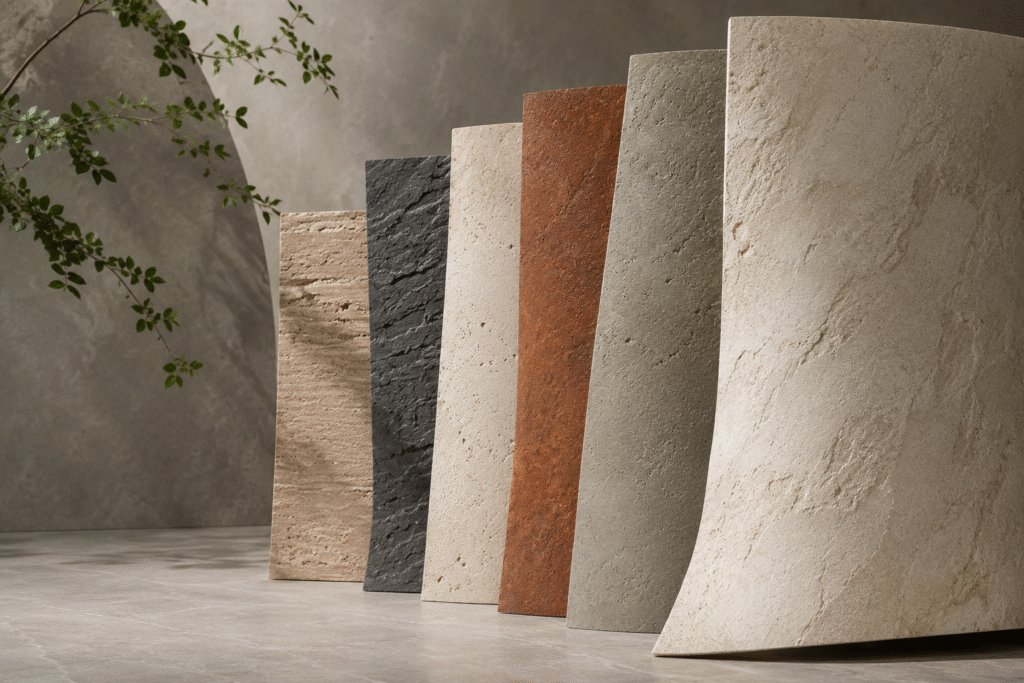
Your Flexible Stone Decorative Wall Panels Manufacturer
Duolong manufactures flexible stone decorative wall panels in China. Our factory produces a range of stone-look surfaces, including travertine, sandstone, limestone, slate and other textured finishes for building material distributors, importers and project buyers.
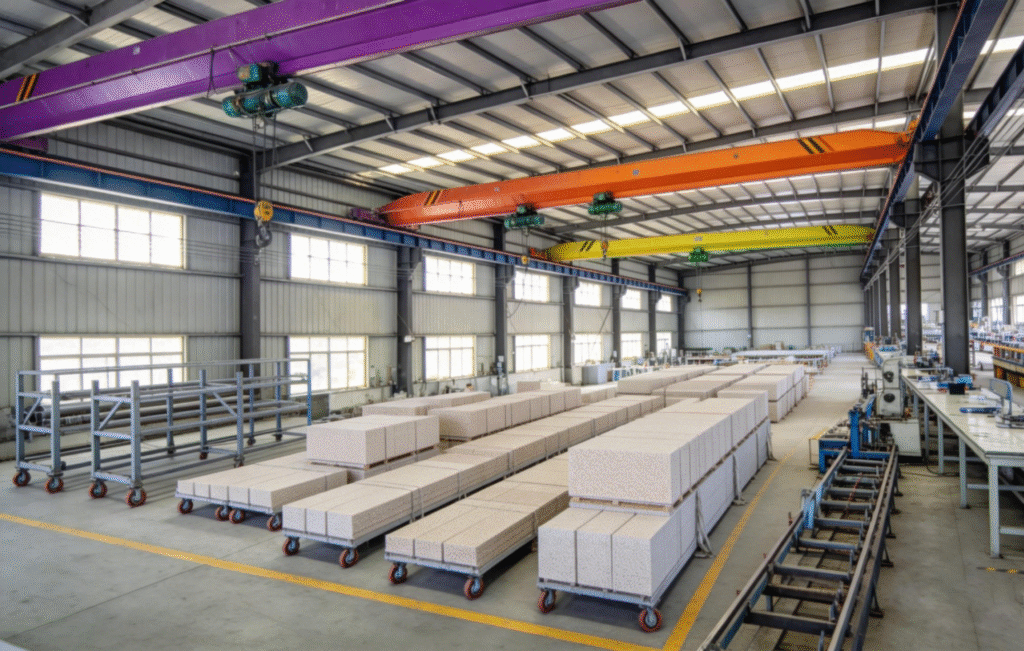
Production covers material forming, surface texture processing, cutting and finished panel inspection. We pay particular attention to texture, color and panel dimensions because these details directly affect how the material looks when installed across a complete wall. For larger orders, keeping these details under control also helps reduce obvious differences between different areas of the same project.
For new orders, samples can be produced first to confirm the actual surface, color and specification. Bulk production follows the approved sample, giving buyers a clear reference before larger quantities are made. This is useful when customers need to compare several finishes before deciding which products to add to their collection or use for a project.
Our current range covers different visual directions rather than relying on one repeated stone pattern. Some collections have cleaner limestone surfaces, while others use stronger slate, sandstone or travertine textures. This gives customers more room to build a product range with clear differences in style and appearance.
We also develop new textures and colors when customers need products that are different from their existing wall material range. Surface details can be discussed during the sample stage so that adjustments are made before bulk production rather than after the order has already started.
Duolong works directly with importers, wholesalers and project buyers. We understand that these customers need more than individual decorative samples. They need products that can move from sample selection into repeatable production and practical bulk purchasing.
Our focus remains on manufacturing the required flexible stone correctly, keeping specifications clear and supplying the confirmed product consistently from sample approval through bulk production.
Products
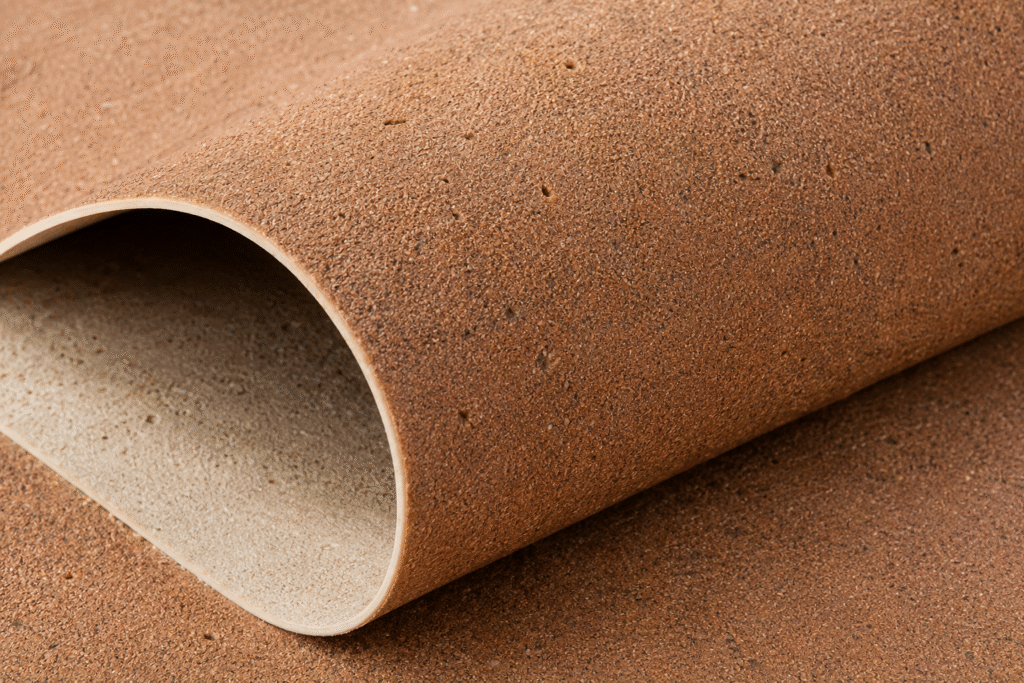
Terracotta Sand Flexible Stone
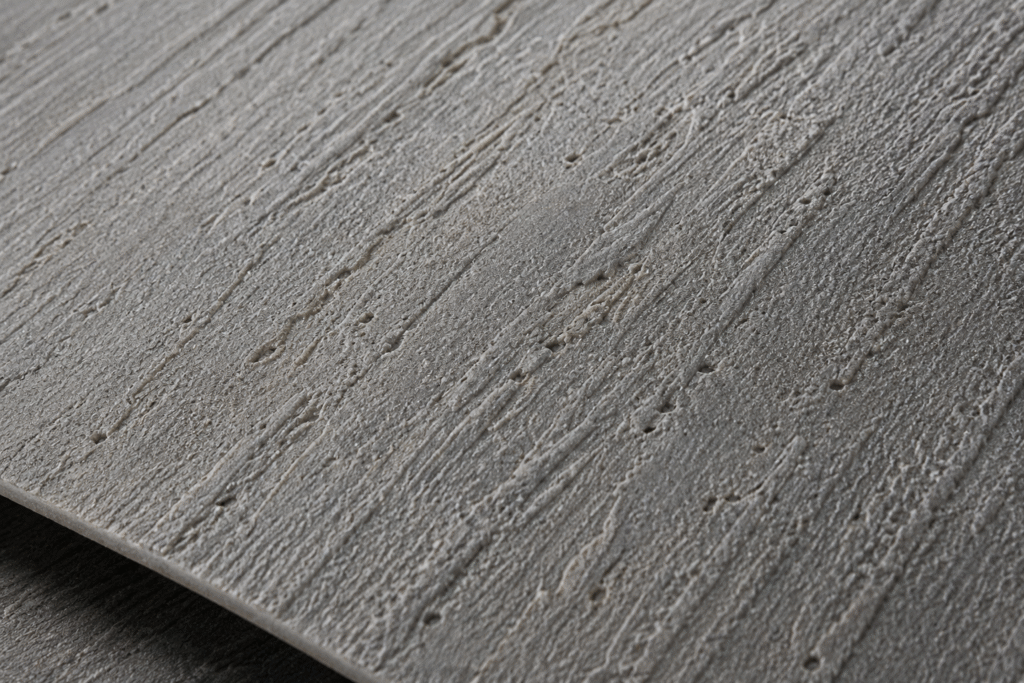
Silver Grey Linear Flexible Stone
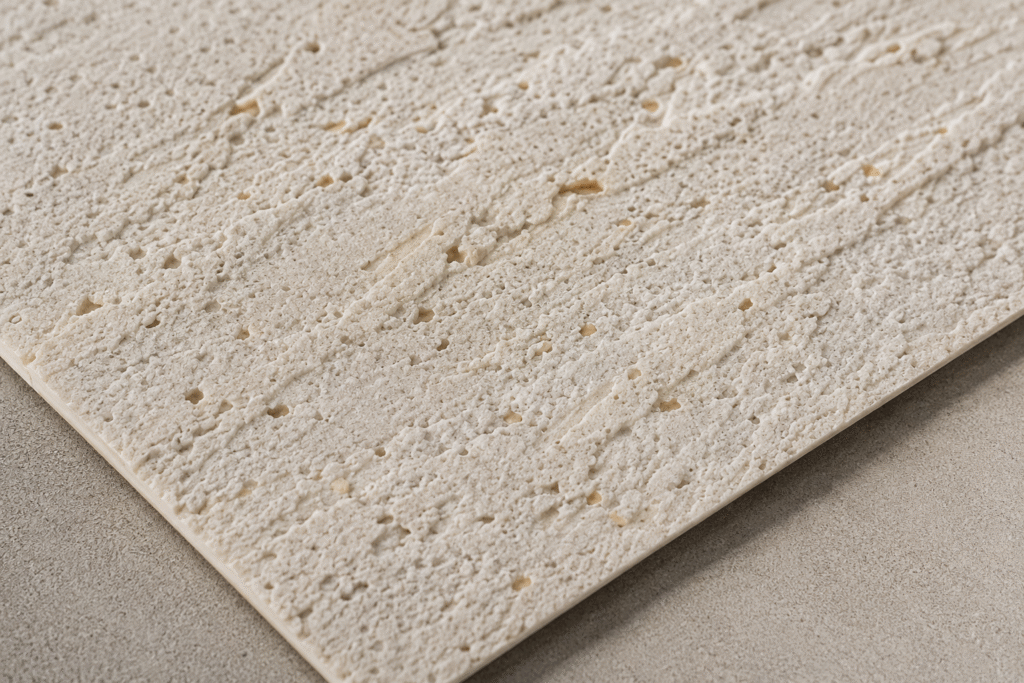
Ivory Grain Flexible Stone
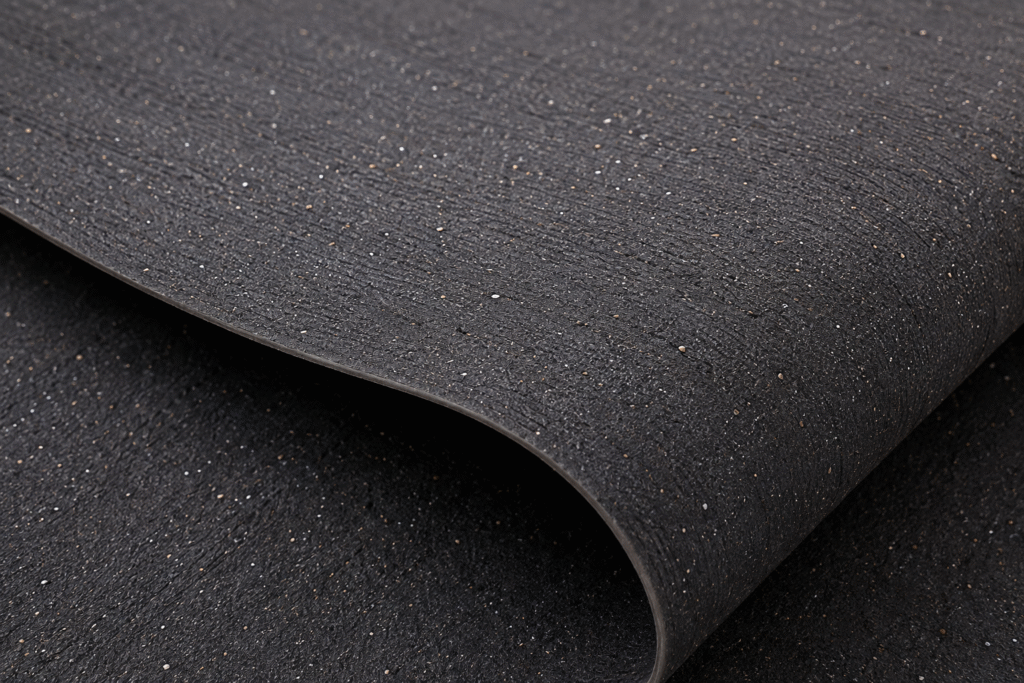
Midnight Star Flexible Stone
Our Advantages


See the Real Finish Before Ordering
Color and texture can look different in photos, which is a common concern when buying decorative wall panels overseas. We provide physical samples for confirmation before bulk production, so buyers can check the actual surface, texture and color first.
Keep Large Wall Areas Visually Consistent
A small difference in tone or texture becomes obvious once hundreds of panels are installed together. We control the confirmed surface specification during production and inspect finished panels before packing to reduce noticeable variation across the order.
More Choices Without Filling Your Range With Similar Designs
Wholesalers do not need twenty panels that look almost the same. Duolong develops clearly different finishes, from terracotta and mineral textures to linear, grain and dark decorative surfaces, giving buyers more useful choices when expanding their product range.
Clear Specifications Before Production Starts
Wrong dimensions, finishes or quantities can become expensive problems after an international shipment arrives. We confirm the panel specification, surface, quantity and packing requirements before production, so key order details are settled before the material leaves the factory.
why choose us

We Help Buyers Avoid Choosing the Wrong Surface
Decorative wall panels are often selected from small photos or digital samples, but the final wall effect depends on texture scale, color depth and lighting. Duolong helps buyers compare suitable finishes before production so the selected product is closer to the actual market or project requirement.
We Make Product Collections Easier to Sell
A distributor does not benefit from carrying many designs that customers cannot tell apart. We develop clearly separated surface styles, helping buyers organize their range into recognizable categories that are easier to present, explain and sell.
We Reduce Problems Between Sample and Bulk Order
One common purchasing concern is whether the bulk order will look like the approved sample. We use the confirmed sample and product specification as the production reference, giving buyers a clearer basis for checking the finished order.
We Understand Repeat Orders Matter More Than One Shipment
For wholesalers and importers, a product only becomes useful when it can be reordered. We keep confirmed product details as the reference for future production, making repeat purchasing easier to manage when the same collection continues selling.
We Help Buyers Introduce New Designs Without Rebuilding the Whole Range
When market preferences change, buyers often need a few fresh products rather than replacing an entire collection. Duolong can develop new textures and color directions that fit alongside existing products, helping customers update their range more gradually.
We Consider How the Product Will Be Presented After Arrival
Decorative materials need to look convincing in showrooms, sample displays and customer presentations. We pay attention to surface character and visual differences between collections so buyers have products that are easier to demonstrate in their own market.
We Keep Communication Focused on the Order
Buyers usually want clear answers about surface, size, quantity, production status and order details. Duolong keeps communication around these practical points, reducing unnecessary back-and-forth and making the purchasing process easier to follow.
FAQ
1. How much variation is acceptable between sample and bulk production?
Some variation is normal, especially with surfaces designed to reproduce natural stone, mineral or handmade textures. The important point is whether the overall tone and texture remain within the approved direction. For large projects, the buyer should confirm the physical sample before production and avoid mixing different batches on the same continuous wall where possible.
2. How do you control repeated patterns across a large wall?
Strong patterns become obvious when they are repeated too closely. Before installation, panels should be opened and arranged according to their texture and color variation. This is particularly important with linear, mineral and highly textured finishes. A good layout should make the wall read as one surface rather than a series of repeated panels.
3. What wall conditions should be rejected before installation?
Do not install directly over loose plaster, active cracks, damp areas, powdery surfaces or coatings with poor adhesion. These problems need to be repaired first. A lightweight panel reduces load, but it does not make a weak wall suitable for installation.
4. Can the same adhesive be used for every project?
No. The correct bonding system depends on the substrate, panel type and installation environment. Concrete, cement render, existing tile and interior board surfaces can require different preparation. Exterior walls, humid areas and locations with large temperature changes also need to be considered before the adhesive is confirmed.
5. How much extra material should we include in the order?
It depends on the wall layout. Straight walls with few openings create relatively little cutting waste, while columns, corners, windows and irregular surfaces require more material. The contractor should calculate from actual site dimensions and include enough additional panels for cutting and later repair. Using a fixed waste percentage for every project can lead to shortages or unnecessary stock.
6. What should we inspect before accepting a bulk shipment?
Open cartons from different parts of the shipment rather than checking only the top layer. Compare the panels with the approved sample and check the overall color, texture, dimensions, edges and surface condition. For project orders, any obvious issue should be identified before the material is distributed to the installation area.
7. Can several decorative textures be used on the same project?
Yes, but they should not compete with each other. A strong terracotta, slate or mineral texture usually works better beside a quieter surface than another equally dominant pattern. Put the physical samples together before ordering and check them under lighting similar to the actual project.
8. What happens if we need more panels after installation has started?
Provide the original product reference, dimensions and approved sample information when ordering additional material. If the new panels will sit directly beside the first batch, tell the factory. Decorative surfaces can vary between production runs, so supplementary orders should not be treated as completely separate purchases.
9. What information do you need before giving a project quotation?
We need the selected finish, panel size, estimated quantity and delivery destination. For project orders, wall drawings or site photos are useful when the surface contains columns, corners, curved sections or unusual dimensions. Clear information at the quotation stage reduces specification changes later.
10. Why can the same flexible stone look very different in two finished projects?
Installation has a major influence on the result. Wall preparation, panel layout, cutting, joints, lighting and surrounding materials all change how the surface is perceived. A premium decorative wall is rarely achieved by choosing an expensive-looking texture alone. The material and installation details need to work together.
Transaction Process

Inquiry and requirement confirmation
Confirm application (interior/exterior), sizes, finishes/colors, quantity, destination, and any accessory needs. Align on technical requirements such as substrate condition, climate exposure, and curved-surface needs.
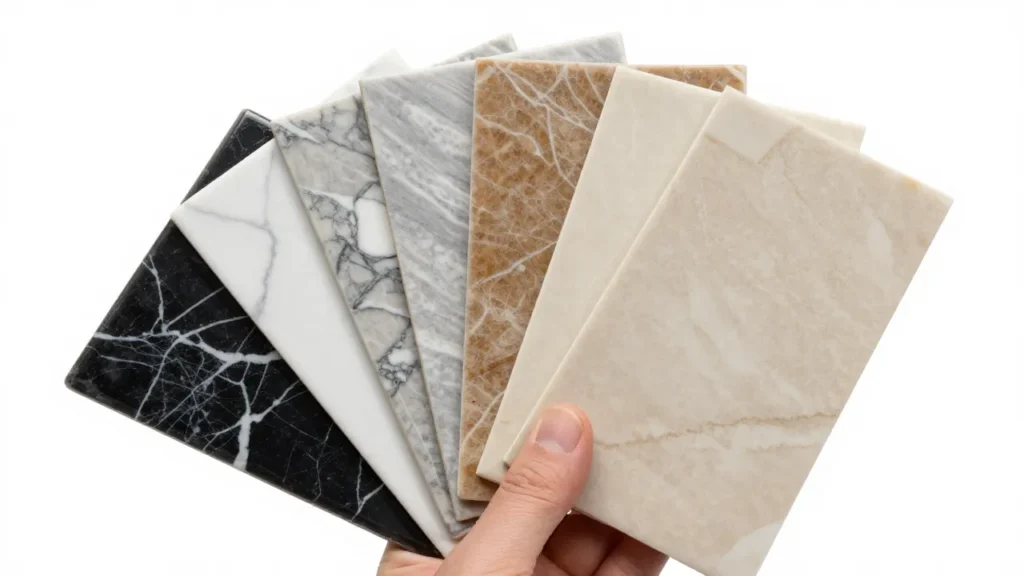
Quotation, samples, and approval
Issue a formal quotation with product options, lead time, and Incoterms. Provide samples for color/texture confirmation. Finalize specifications based on approved samples as the acceptance benchmark.

Order placement, payment, and production
Confirm the order via Proforma Invoice (PI), arrange the agreed payment, and schedule production. Maintain batch control and quality inspection during manufacturing and pre-shipment packing checks.
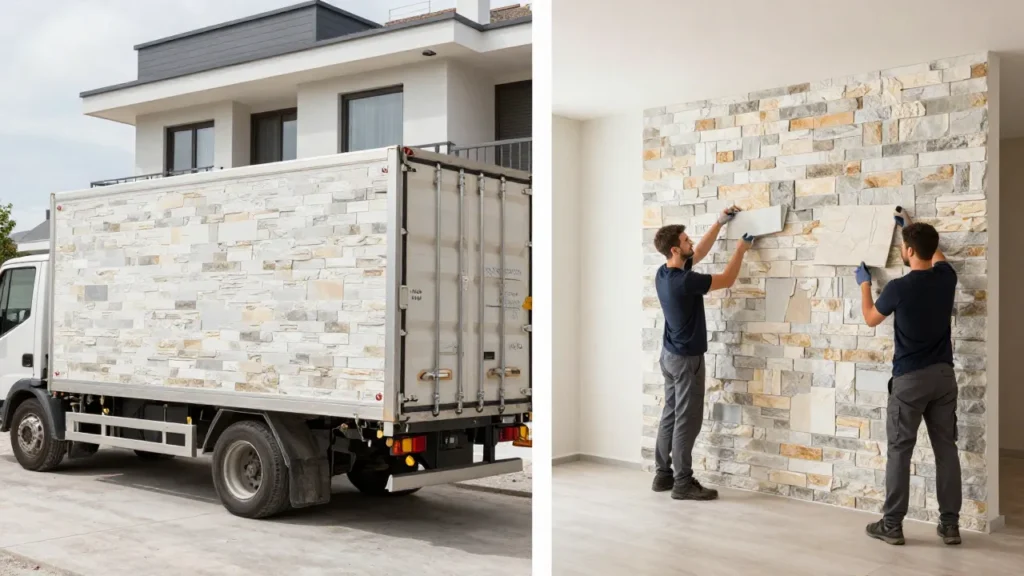
Shipment, documents, and after-sales support
Arrange shipping (FCL/LCL/air), provide export documents (invoice, packing list, B/L or AWB, and other required certificates), support customs clearance coordination, and handle receiving inspection, claims, replacements, and installation support.
Table of Contents
How Flexible Stone Decorative Wall Panels Change Material Selection
Decorative wall materials are increasingly judged by what happens after the sample is approved. A surface may look convincing in a showroom, but contractors and buyers still need to know how it behaves across hundreds of square metres, how difficult it is to move through a project, whether installers can cut it without specialist equipment, and how easily additional material can be sourced when quantities change. This is where flexible stone decorative wall panels have started to gain attention. They provide textured surfaces without bringing the same weight and handling requirements associated with conventional stone slabs.
Natural stone remains difficult to replace where the project specifically requires its depth and individual character. The problem appears when the same material is specified for walls where weight and installation complexity provide little practical benefit.
A large commercial feature wall illustrates the issue. Heavy slabs have to be transported, unloaded, stored and moved to the installation area before fixing begins. Upper floors and completed interiors make this process more difficult. Flexible stone reduces much of the handling pressure because individual panels are thinner and lighter.
Appearance brings a different challenge. Decorative flexible stone is now available beyond conventional marble patterns. Travertine, terracotta, sandstone, mineral grain, linear textures and darker finishes allow designers to work with very different interiors without changing the basic material system.
That variety needs control. Strong textures can become repetitive when installers work directly from one carton. Panels should be opened, compared and arranged before fixing, particularly on large uninterrupted walls. Lighting should also be checked because grazing light can make texture depth considerably more visible.
For importers, another consideration is how many genuinely different products a collection needs. Twenty similar beige stone patterns rarely create twenty useful selling options. A smaller range with clear differences in texture, tone and architectural character is often easier to present to contractors and designers.
Flexible stone is therefore becoming less about copying natural stone and more about giving projects another way to build textured wall surfaces. Its value is strongest when material weight, installation, visual variety and procurement all need to be considered together.
Why Large Decorative Walls Need More Than an Attractive Sample
Selecting a decorative wall material from a small sample is relatively easy. The difficulty begins when that surface is repeated across an entire lobby, reception area, retail interior or commercial wall. A texture that looks balanced at sample size can become repetitive, too strong or visually inconsistent once hundreds of panels are installed together.
This is particularly important with flexible stone decorative wall panels because the available textures have become much more varied. Travertine, sandstone, terracotta, mineral grain and linear surfaces behave differently when viewed across a large area. Strong markings attract attention quickly, while quieter textures rely more on subtle changes in tone and surface depth.
For this reason, designers should consider texture scale before approving a material. A heavily patterned panel may work well as a limited feature, but the same pattern repeated across a long wall can dominate the interior. Larger surfaces generally need enough variation to avoid obvious repetition without becoming visually disorganized.
Panel arrangement also affects the result. Installers who take material directly from one carton and fix it in sequence may unintentionally place similar patterns beside each other. Opening several cartons and reviewing the panels before installation allows stronger and quieter areas to be distributed more naturally.
Lighting deserves the same attention. Directional light can make grooves and rough mineral textures appear much deeper than they look under showroom lighting. A pale surface may also change considerably between daylight and warm interior lighting.
For commercial projects, these details should be considered before the full quantity arrives on site. Physical samples are useful, but larger sample areas provide better information when the wall is an important part of the architectural design.
The final appearance of a decorative wall is therefore not determined by the panel alone. Texture selection, pattern distribution, lighting, joints and surrounding materials all contribute to the result.
Flexible stone gives designers a broad surface vocabulary, but the strongest projects are usually those where the material is treated as part of the complete wall rather than as an isolated product sample.
How Decorative Wall Materials Affect Commercial Renovation Costs
Material price is only one part of the cost of renovating a commercial wall. Contractors also have to consider demolition, transportation, storage, movement inside the building, cutting, installation and the time that a working area remains unavailable. A material that looks inexpensive on a quotation can become considerably more costly once these factors reach the site.
Heavy decorative stone illustrates the problem clearly. Large slabs require careful handling and often more manpower or equipment to move them safely. In an operating hotel, shop or office, access may be through existing corridors and elevators rather than an open construction site. Material movement alone can affect the working programme.
Flexible stone decorative wall panels approach the same wall differently. Their lower weight and thinner profile can reduce handling pressure and make panels easier to move into restricted areas. Cutting and adjustment can also be less complicated than processing thick stone.
This does not mean every flexible stone installation is automatically cheaper. Existing wall conditions remain important. Loose plaster, moisture or badly uneven substrates need to be corrected before a new finish is applied. Ignoring these problems to save preparation costs usually transfers the expense to repairs later.
Waste is another consideration. Walls with columns, openings and irregular dimensions create more cutting than simple rectangular surfaces. Accurate site measurements and a planned panel layout can reduce unnecessary material loss.
Commercial owners also need to consider downtime. A wall finish that takes longer to handle and install may delay furniture, lighting or other finishing trades. For retail and hospitality projects, an extended closure can matter more financially than a relatively small difference in material price.
This is why wall material comparisons should be made at installation level rather than purchase price alone.
Flexible stone can make sense when a project needs a textured architectural finish but wants to reduce some of the logistics associated with conventional stone. Its commercial value comes from the complete process—how the material reaches the wall, how efficiently it can be installed and how much disruption the work creates around it.
What Importers Should Check Before Buying Flexible Stone Wall Panels
Importing decorative wall panels requires a different level of evaluation from purchasing a few samples. Once a product enters a distributor’s range, the buyer has to consider whether it can be reordered, whether customers will understand the difference between collections and whether the bulk material will remain close to what was originally approved.
The first check should be the physical surface. Product photography is useful for initial selection, but it cannot show texture depth, edge construction or exact color under local lighting. Flexible stone decorative wall panels should be reviewed physically before a buyer commits to commercial quantities.
The second issue is range structure. Importers sometimes select too many similar products because each individual sample looks attractive. Once displayed together, however, several beige or grey stone patterns may offer very little real difference to customers.
A stronger collection normally combines clearly separated finishes. A quiet limestone texture can sit beside a stronger terracotta, slate or mineral surface without the products competing for the same visual position.
Bulk consistency also needs discussion. Decorative surfaces designed to resemble natural materials should not look mechanically identical, but uncontrolled variation can create problems when panels are installed together. Buyers should understand what level of variation is expected before placing the order.
Specifications deserve equal attention. Panel dimensions, thickness, quantity and packing details should be confirmed clearly. Importers should also consider how products will be stored and displayed after arrival rather than focusing only on container loading.
Repeat purchasing is another practical test. A successful product may need replenishment months later. Keeping the original sample, product reference and specifications makes subsequent orders easier to manage. Relying on descriptions such as “light beige stone” is not enough when several similar surfaces exist.
The best import decision is therefore rarely based on which sample looks most impressive.
A flexible stone collection needs enough visual difference to make sense commercially, specifications that remain clear through repeat orders and surfaces that buyers can confidently present to architects, contractors and local customers. Those factors determine whether a decorative panel becomes a sustainable product line rather than a one-off shipment.
Why Texture Scale Matters in Flexible Stone Wall Design
Texture is often selected too close to the sample. A designer sees a convincing grain, groove or mineral detail and approves the surface, but the finished wall may be several metres high and tens of metres long. At that scale, the relationship between the texture and the architecture changes completely.
Flexible stone decorative wall panels are available with surfaces ranging from fine limestone grain to deep linear patterns, rough sandstone effects and stronger terracotta or mineral finishes. Each creates a different visual rhythm once repeated across a wall.
Fine textures generally read as a continuous surface from a distance. They rely on light and subtle variation rather than individual markings. This can work well when the wall needs to support the interior architecture without becoming the dominant feature.
Deeper textures behave differently. Grooves, pits and irregular surfaces create stronger shadows, particularly under directional lighting. On a feature wall this can add depth, but across a very large area the same texture may become visually heavy.
The size of the room matters as well. A strong surface viewed from ten metres away may appear balanced, while the same finish in a narrow corridor can feel much more pronounced because the viewer is always close to it.
Pattern repetition is another issue. Distinctive markings are easier for the eye to recognize. If similar panels are placed beside each other, repetition becomes visible quickly. Reviewing several panels together before installation helps prevent this.
Designers should therefore evaluate decorative flexible stone at more than one distance. The close view shows surface quality; the middle distance shows pattern relationships; the wider view shows whether the material supports the architecture.
This approach also makes product selection more practical. Not every dramatic sample needs to become a full wall. Some textures are stronger when used selectively, while quieter finishes can handle much larger surfaces.
Good decorative wall design is not about finding the surface with the most detail. It is about choosing a level of texture that remains convincing at the actual scale of the project.
Flexible Stone Wall Panels Need the Right Substrate Preparation
Lightweight wall materials can simplify installation, but they do not remove the need for a sound substrate. Many problems blamed on decorative panels actually begin underneath them, where moisture, loose coatings or poorly repaired walls were never dealt with before installation.
Flexible stone decorative wall panels follow the surface closely because they are relatively thin. This makes substrate preparation particularly important. Large bumps, damaged render or uneven repairs can remain visible after the panel is installed rather than disappearing behind the finish.
The first step should be checking whether the existing wall is stable. Powdery surfaces, loose plaster and coatings with poor adhesion cannot provide a reliable base for a new wall finish. These areas need to be removed or repaired before installation proceeds.
Moisture requires separate attention. Covering a damp wall does not solve the source of the water. Leaks, rising moisture or exterior water penetration should be identified first. Otherwise, the problem may continue behind the decorative surface and affect the wall system later.
Flatness also influences the finished appearance. A textured panel can visually soften minor imperfections, but it should not be expected to correct major dimensional problems. Long linear textures make poor wall alignment particularly noticeable because the pattern provides the eye with a clear reference line.
Adhesive selection should follow the actual substrate and installation environment. A bonding system used on cement render may not automatically be appropriate for existing tile or board surfaces. Exterior conditions introduce further requirements.
Contractors should also prepare a small test area when the substrate or adhesive combination is unfamiliar. This provides more useful information than assuming that a method used on another project will behave the same way.
Flexible stone can reduce weight and make material handling easier, but installation quality still depends on basic construction discipline.
A well-prepared wall allows the decorative surface to perform as intended. A poor substrate simply transfers existing problems into a newly finished area, regardless of how good the panel itself may be.
Why Decorative Wall Panel Collections Need Clear Product Differences
Building material distributors often assume that a larger catalogue creates more selling opportunities. In decorative wall materials, the opposite can happen. When twenty products use almost the same beige stone texture with minor changes in color, customers may struggle to understand why they should choose one over another.
A useful flexible stone decorative wall panel collection needs clear separation between products.
That difference can come from texture rather than color alone. Travertine has a recognizable porous character, while slate creates stronger layers and shadows. Terracotta introduces warmer earth tones, and linear or mineral surfaces can move the range away from conventional stone imitation altogether.
This matters when distributors present products to different types of buyers. An architect may want a restrained surface that works across a large interior, while a retail designer may be looking for something with stronger visual identity. Contractors may focus more heavily on whether the selected panel works with the wall conditions and installation details.
If every product looks similar, the range cannot answer these different requirements effectively.
Display space also has a cost. Showrooms, sample boards and catalogues have limited rooms. Each product needs a reason to occupy that space. A smaller collection containing clearly different surfaces can sometimes communicate more choice than a much larger collection of near-identical designs.
The same logic applies online. Customers comparing decorative panels from photographs need to recognize the difference quickly. Clear product naming and genuinely distinct textures make the range easier to navigate.
For importers, this can also improve stock decisions. Rather than holding several products that compete with each other, buyers can allocate inventory across different visual categories and learn which directions perform better in their local market.
Flexible stone should therefore not be developed as an endless sequence of stone colors.
A stronger collection treats each surface as a separate design option with its own role. When texture, tone and architectural character are clearly differentiated, distributors have a more practical range to present, stock and develop over time.
How Lighting Changes Flexible Stone Decorative Wall Panels
The same decorative wall panel can look surprisingly different between a sample room and the finished project. The material has not changed; the lighting has.
This is particularly noticeable with flexible stone decorative wall panels because many finishes rely on physical texture rather than printed color alone. Grooves, pits, grain and layered surfaces respond strongly to the direction and intensity of light.
Light coming directly from the front tends to flatten texture. A deeply patterned surface can appear relatively quiet because the small shadows inside the material are reduced. When light runs across the wall from the side or from above, the same surface can become much more pronounced.
This is why grazing light deserves attention. Linear and rough mineral textures can create strong shadow lines when luminaires sit close to the wall. The effect may be intentional on a feature wall, but it can also expose irregular installation or substrate preparation.
Color temperature changes perception as well. Warm lighting can push beige, terracotta and sandstone surfaces toward richer earth tones. Cooler light can make grey and pale mineral finishes appear sharper and more restrained. A sample approved beside a window during the day may not look identical under evening interior lighting.
Natural light creates another variable because it changes throughout the day. Walls close to large windows can shift considerably between morning, afternoon and artificial lighting conditions.
For important commercial areas, designers should therefore review physical samples under lighting that is reasonably close to the intended project environment. If the wall will use concealed linear lighting or strong directional fixtures, that condition should be tested rather than discovered after installation.
Texture and lighting are effectively designed together, even when they are specified by different teams.
Flexible stone provides designers with surfaces that can respond strongly to light, but that response needs to be understood before the final selection. A successful decorative wall is not simply a good material under ideal showroom lighting. It is a material that still produces the intended result under the light the building will actually use.