
Flexible Stone Tropical Climate Performance
Your Flexible Stone Manufacturer
At Duolongtrade, we manufacture flexible stone for distributors, contractors, project suppliers, architects, and building material importers worldwide. Our production focuses on consistent surface texture, stable quality, and reliable supply for commercial and residential projects.
Working with customers across different markets has given us practical experience with material selection for different climates, installation methods, transportation requirements, and project applications. This experience helps us provide practical recommendations based on project needs rather than simply introducing products.
From raw material selection and production control to quality inspection and shipment preparation, every order is managed with attention to consistency and reliability. We understand that successful projects depend not only on product appearance, but also on stable supply, efficient installation, and dependable delivery. Every production batch is inspected to help maintain consistent color, texture, and overall quality before shipment.
We supply flexible stone for a wide range of applications, including commercial buildings, hotels, residential developments, renovation projects, retail spaces, and public facilities. By working with customers from different regions, we have developed a better understanding of local construction practices, climate conditions, and project requirements, allowing us to recommend suitable product solutions based on actual applications.
With a focus on manufacturing and international supply, Duolongtrade is committed to providing flexible stone products that combine natural stone aesthetics with practical installation advantages. Our goal is to help customers source reliable building materials with consistent quality and dependable delivery for long-term business cooperation.
Products

Ivory Limestone Flexible Stone
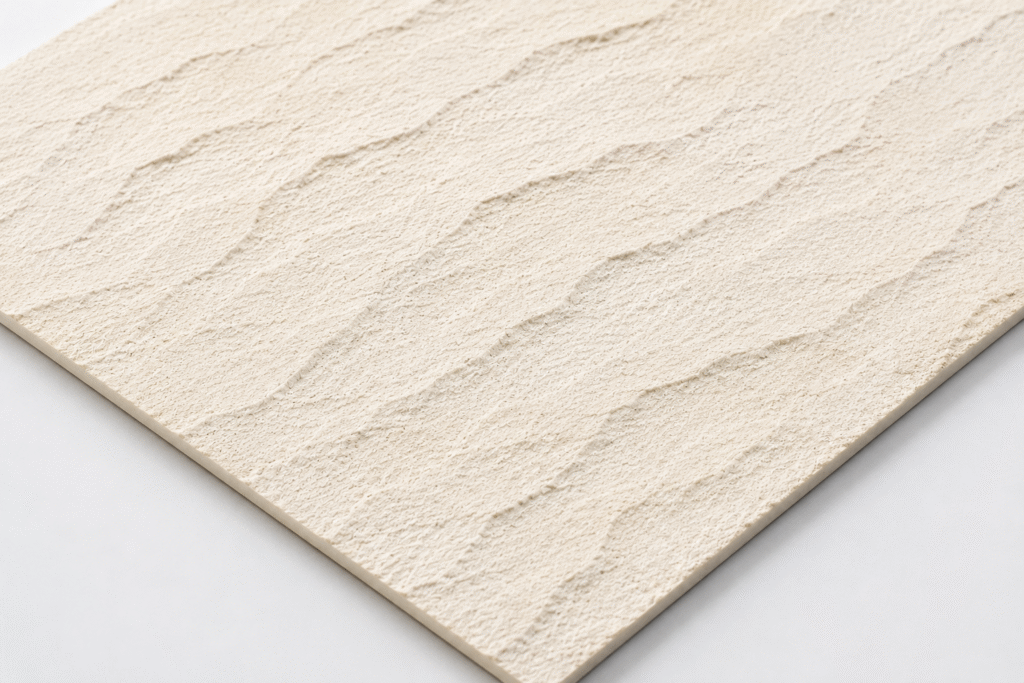
Ivory Layered Sandstone Flexible Stone
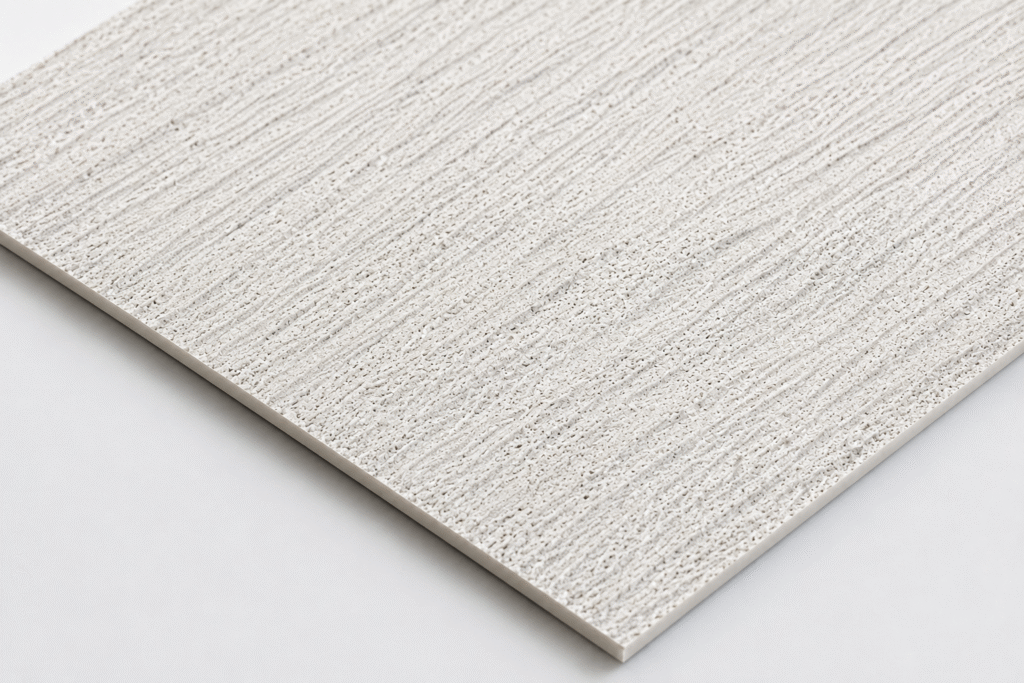
Pearl Linear Flexible Stone
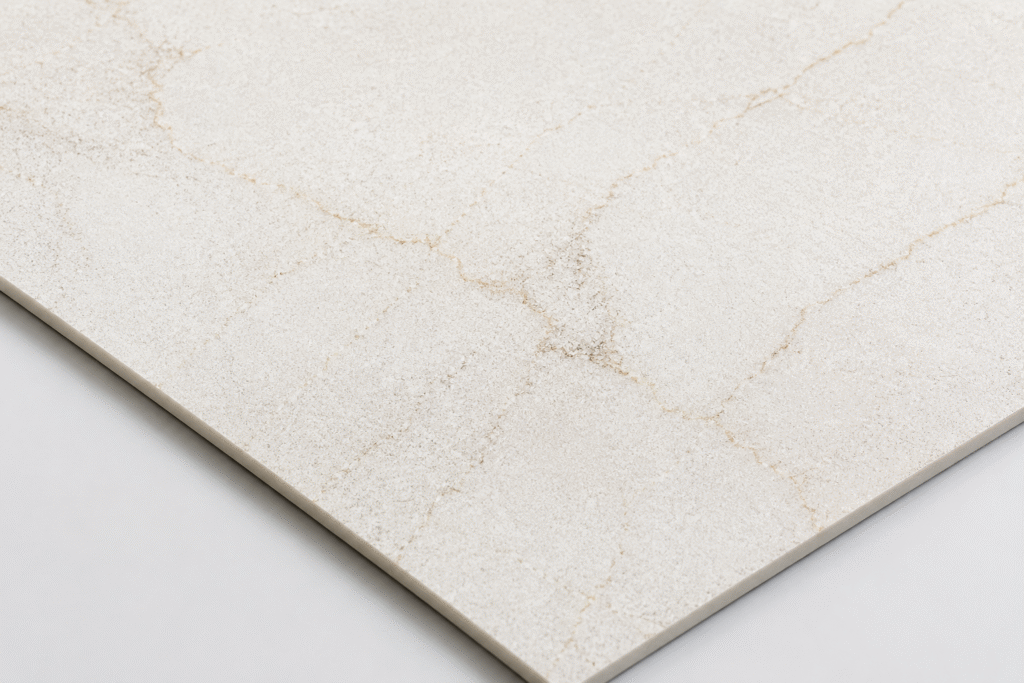
Cream Vein Limestone Flexible Stone
Our Advantages

Consistent Surface Quality
Every production batch is controlled to maintain stable color, texture, and dimensions, helping customers achieve a consistent finish across projects.
Efficient Global Supply
Our manufacturing process is designed for reliable production schedules, supporting distributors and project buyers with dependable delivery for both regular orders and large-scale projects.
Lightweight Material Advantage
Compared with traditional stone, flexible stone reduces transportation weight and simplifies installation, helping improve project efficiency while lowering handling costs.
Practical Project Experience
Supplying customers across different markets has given us valuable experience in commercial construction, renovation projects, and exterior wall applications under various climate conditions.
why choose us
Reliable Production Consistency
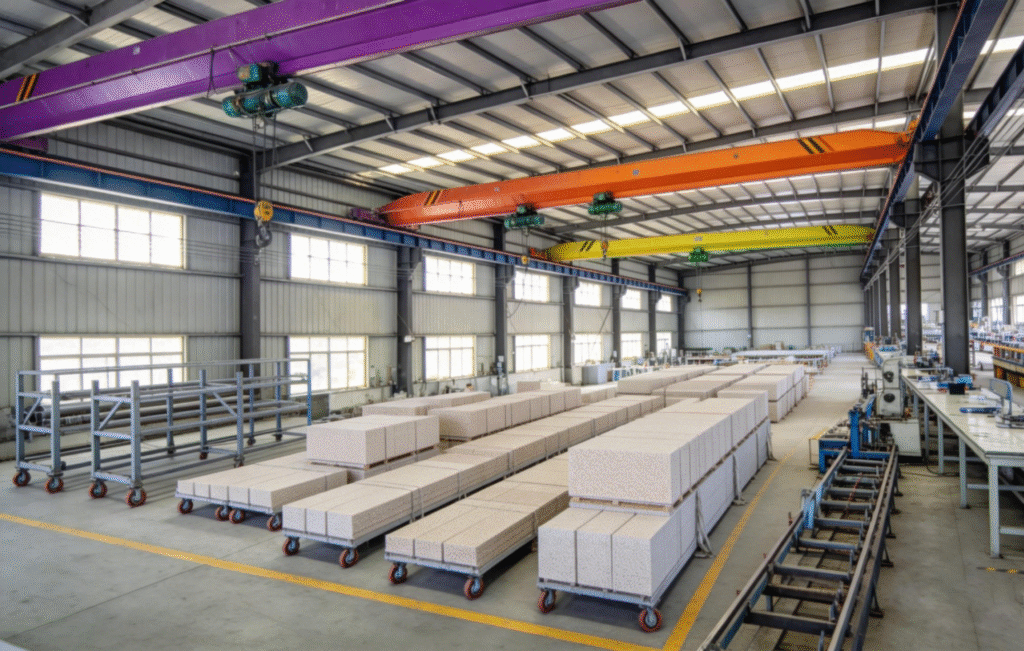
Every production batch is manufactured under consistent quality standards to help maintain stable color, texture, thickness, and dimensions. This allows distributors, contractors, and project buyers to achieve a more uniform appearance across different shipments and construction phases.
Flexible Supply Capacity
Our production planning supports both regular purchasing and large project requirements. By coordinating manufacturing schedules with customer demand, we help ensure reliable supply, stable lead times, and efficient order fulfillment for projects of different sizes.
Practical Material Solutions
We focus on manufacturing flexible stone products that help simplify transportation, handling, and installation. Compared with traditional stone, the lightweight design makes materials easier to move on-site while helping improve installation efficiency and reduce labor intensity.
Strict Quality Inspection
Each order undergoes quality inspection before shipment, including checks on surface appearance, texture consistency, dimensions, and overall finish. This helps ensure customers receive products that meet project specifications and maintain consistent visual quality.
Wide Project Experience
Our flexible stone products have been supplied for hotels, commercial buildings, residential developments, renovation projects, retail spaces, and public facilities. Experience across different project types allows us to better understand practical construction requirements and application needs.
Export-Oriented Manufacturing
With experience supplying international markets, we understand the importance of secure packaging, efficient container loading, and dependable shipment arrangements. Our manufacturing process is organized to support stable export supply for customers in different regions.
Long-Term Business Support
We believe long-term cooperation is built through consistent product quality, reliable production, and responsive communication. From order confirmation to shipment preparation, we work closely with customers to support smooth purchasing and dependable supply for future projects.
FAQ
1. What Is the Main Difference Between Flexible Stone and Natural Stone?
Flexible stone offers a similar natural stone appearance while being significantly lighter and easier to transport and install. Natural stone provides higher structural strength but usually requires more labor, specialized installation, and increased transportation costs.
2. Which Material Is Better for Commercial Building Projects?
The right choice depends on project requirements. Flexible stone is often selected for projects that prioritize reduced structural load, faster installation, and easier handling, while natural stone is commonly used where maximum durability and solid stone construction are required.
3. Can Flexible Stone Replace Natural Stone for Exterior Walls?
In many commercial and residential applications, flexible stone can be used as an alternative exterior wall finish. It provides a stone-like appearance while reducing weight and simplifying installation, making it suitable for many modern façade projects.
4. Is Flexible Stone Suitable for High-Rise Buildings?
Yes. Its lightweight construction places less load on the building structure compared with traditional stone, making it a practical option for many high-rise exterior and renovation projects.
5. How Does Flexible Stone Compare in Installation?
Flexible stone generally requires less handling equipment and can be installed more efficiently than traditional stone. The lighter weight also helps reduce installation time and labor requirements on many projects.
6. Does Flexible Stone Perform Well in Tropical Climates?
Flexible stone is widely used in regions with high temperatures and humidity. When installed correctly using suitable adhesives and construction methods, it can perform reliably in tropical and coastal environments.
7. Which Material Is More Cost-Effective for Large Projects?
Material cost is only one part of the overall project budget. Transportation, installation efficiency, labor, and maintenance should also be considered. In many cases, flexible stone helps reduce total project costs by lowering shipping weight and improving installation efficiency.
8. Can Flexible Stone Be Installed Over Existing Walls?
Depending on the condition of the existing surface, flexible stone can often be installed over properly prepared substrates, making it a practical solution for renovation and exterior upgrading projects.
9. What Should Importers Consider Before Purchasing Flexible Stone?
Importers should evaluate product consistency, manufacturing capacity, packaging quality, shipment planning, and supplier reliability. These factors have a direct impact on project schedules and long-term supply stability.
10. How Can I Choose Between Flexible Stone and Natural Stone?
The decision should be based on project requirements, installation conditions, structural limitations, transportation costs, design expectations, and long-term maintenance needs. Comparing these factors helps determine which material is more suitable for a specific application.
Transaction Process

Inquiry and requirement confirmation
Confirm application (interior/exterior), sizes, finishes/colors, quantity, destination, and any accessory needs. Align on technical requirements such as substrate condition, climate exposure, and curved-surface needs.
Quotation, samples, and approval
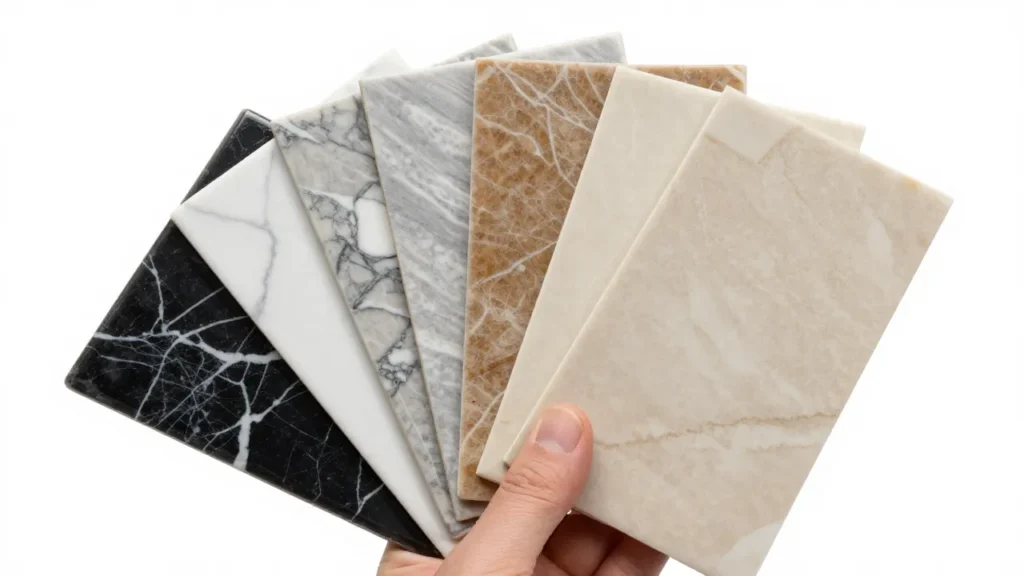
Issue a formal quotation with product options, lead time, and Incoterms. Provide samples for color/texture confirmation. Finalize specifications based on approved samples as the acceptance benchmark.

Order placement, payment, and production
Confirm the order via Proforma Invoice (PI), arrange the agreed payment, and schedule production. Maintain batch control and quality inspection during manufacturing and pre-shipment packing checks.
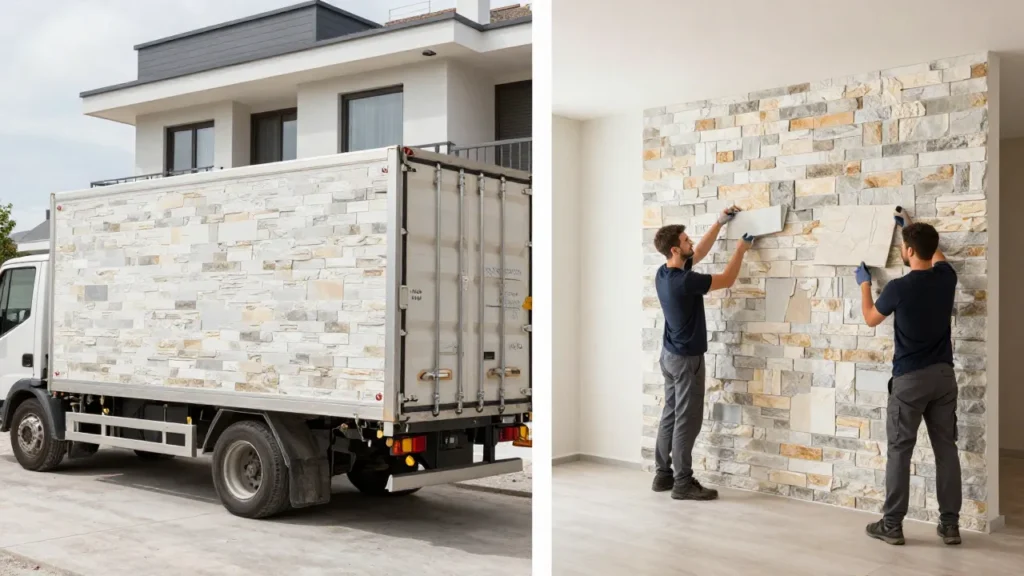
Shipment, documents, and after-sales support
Arrange shipping (FCL/LCL/air), provide export documents (invoice, packing list, B/L or AWB, and other required certificates), support customs clearance coordination, and handle receiving inspection, claims, replacements, and installation support.
Table of Contents
Flexible Stone Commercial Building Material Selection
Selecting façade materials for commercial buildings involves much more than appearance. Developers, architects, and contractors must consider installation efficiency, structural load, transportation costs, maintenance requirements, and project schedules before making a final decision. As modern construction increasingly focuses on efficiency and cost control, lightweight materials are becoming a practical choice for many commercial projects.
Flexible stone has attracted growing attention because it provides the appearance of natural stone while reducing many of the challenges associated with traditional stone cladding. Its lightweight structure makes transportation easier, simplifies handling on construction sites, and improves installation efficiency, especially for projects covering large exterior wall areas.
Weight is often one of the first factors evaluated during material selection. Traditional natural stone can increase structural loading and usually requires additional support systems and lifting equipment during installation. For high-rise buildings or renovation projects, these additional requirements may increase both construction complexity and overall costs. Flexible stone offers an alternative that helps reduce structural pressure while maintaining the visual character of stone finishes.
Installation efficiency also plays an important role in commercial developments. Construction schedules directly affect labor costs and project delivery. Materials that are easier to transport, cut, and install allow contractors to complete façade work more efficiently. Reducing installation time helps minimize project delays and creates better coordination with other construction activities taking place on site.
International transportation has become another important consideration for developers and building material distributors. Lightweight products allow more square meters to be loaded into each shipping container, improving logistics efficiency and helping control transportation costs. For companies importing materials regularly, shipping efficiency can become a long-term competitive advantage.
Architects are also paying more attention to design flexibility. Modern commercial buildings often include curved walls, feature entrances, decorative columns, and complex façade details that can be difficult to complete using heavy stone panels. Flexible stone offers greater application flexibility while preserving the natural texture and appearance expected in contemporary architectural design.
Every commercial project has unique requirements, and material selection should always be based on construction methods, project scale, climate conditions, and long-term maintenance expectations. By considering these factors together rather than focusing only on appearance, project teams can select façade materials that improve construction efficiency while supporting reliable long-term building performance.
Flexible Stone Exterior Wall Cost Analysis
Exterior wall materials represent a significant portion of the total budget in many commercial and residential construction projects. While the initial purchase price is often the first factor considered, experienced developers and contractors know that the overall project cost extends far beyond the material itself. Transportation, installation, maintenance, and construction efficiency all influence the final investment. For this reason, flexible stone is increasingly being evaluated alongside traditional natural stone as part of a complete cost analysis.
Natural stone is valued for its durability and timeless appearance, but its weight can increase expenses throughout the construction process. Heavy stone requires stronger structural support, additional lifting equipment, longer installation times, and higher transportation costs. These factors become more noticeable on large commercial buildings, high-rise developments, and projects located far from the material source.
Flexible stone approaches the cost question differently. Although it delivers a similar stone appearance, its lightweight structure helps reduce expenses beyond the purchase price. Lower transportation weight allows more material to be loaded into a single shipping container, improving logistics efficiency and reducing freight costs for importers and distributors. On projects requiring large quantities of façade materials, these savings can become significant.
Installation costs are another important consideration. Heavy stone panels generally require larger installation teams and more specialized equipment. Flexible stone is easier to transport around the construction site and requires less physical handling, allowing installers to work more efficiently. Faster installation can help shorten construction schedules, reduce labor costs, and minimize delays that affect other stages of the project.
Maintenance should also be included when comparing long-term costs. Exterior wall materials are continuously exposed to sunlight, rain, temperature changes, and environmental pollution. Selecting materials that are appropriate for local climate conditions helps reduce future repair and maintenance expenses. Evaluating durability together with installation and transportation costs provides a more accurate picture of the total investment over the life of the building.
The most economical material is not always the one with the lowest purchase price. A complete cost analysis should include shipping, installation, structural requirements, maintenance, and project efficiency. By considering the full construction process instead of focusing only on material pricing, developers, contractors, and project owners can make more informed decisions that balance project quality with long-term value.
Flexible Stone Lightweight Construction Benefits
Reducing building weight has become an important consideration in modern construction. Architects, engineers, and contractors are increasingly selecting materials that improve structural efficiency without compromising appearance or overall project quality. While natural stone continues to be valued for its durability and visual appeal, its weight can present challenges during transportation, installation, and structural design. Flexible stone offers an alternative that addresses many of these practical concerns while maintaining a natural stone finish.
One of the most noticeable advantages of lightweight materials is their impact on structural loading. Heavy façade systems place additional pressure on the building framework, which may require stronger support structures and increase engineering requirements. By comparison, flexible stone adds significantly less weight to exterior and interior wall systems, making it suitable for projects where structural efficiency is an important design consideration.
Construction efficiency also improves when lighter materials are used. Heavy stone panels often require lifting equipment, multiple installers, and careful handling throughout the installation process. Flexible stone can be transported more easily around the construction site, allowing installers to work with greater efficiency while reducing physical labor. This simplified installation process can help contractors maintain construction schedules and improve productivity, particularly on large commercial projects.
Lightweight materials also provide greater flexibility during renovation work. Older buildings may have structural limitations that make traditional stone difficult to install without additional reinforcement. Flexible stone offers a practical solution for upgrading existing façades while placing less load on the original building structure. This makes it an attractive option for renovation projects where maintaining structural integrity is just as important as improving appearance.
Transportation is another area where lightweight construction materials create measurable advantages. More flexible stone can typically be loaded into a shipping container compared with heavier stone products, helping reduce freight costs and improve logistics efficiency. For distributors and importers supplying multiple projects, efficient transportation contributes to lower operating costs and more reliable delivery planning.
Architectural design also benefits from lighter façade systems. Modern buildings increasingly feature curved walls, feature entrances, decorative columns, and irregular surfaces that can be challenging when using traditional stone. Flexible stone adapts more easily to these designs, allowing architects greater creative freedom while maintaining a natural stone appearance.
As construction projects continue to emphasize efficiency, sustainability, and practical performance, lightweight materials are becoming an increasingly important part of modern building design. Flexible stone provides architects, contractors, and developers with a solution that supports easier handling, more efficient installation, and improved transportation while achieving the visual effect expected from natural stone finishes.
Flexible Stone Tropical Climate Performance
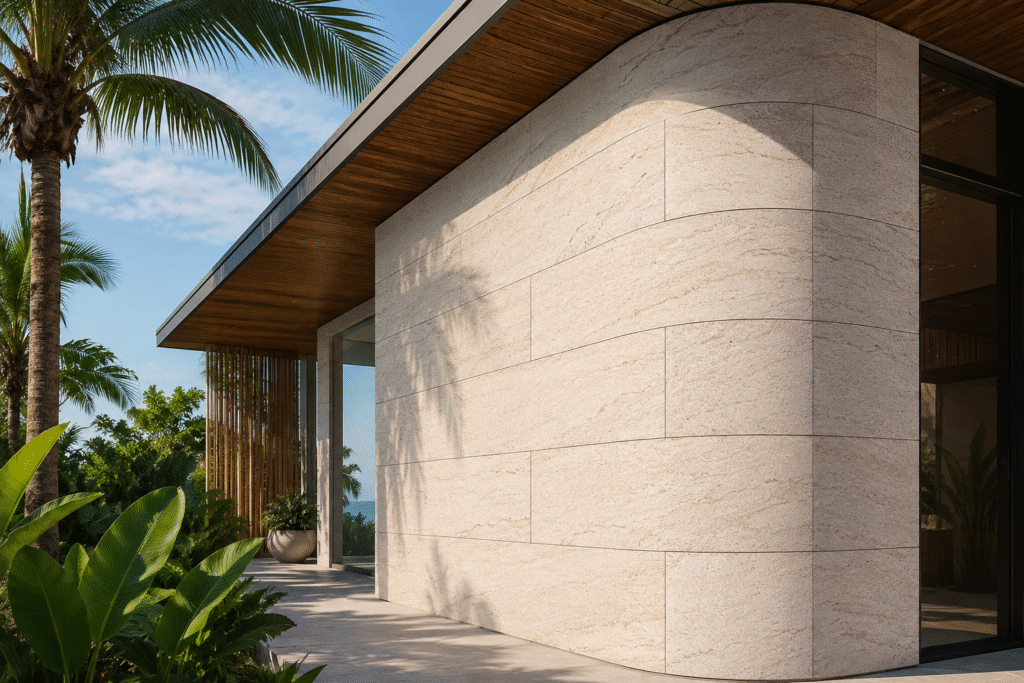
Buildings located in tropical regions face environmental conditions that differ significantly from those in temperate climates. High temperatures, constant humidity, heavy rainfall, and prolonged UV exposure all influence the long-term performance of exterior wall materials. For architects, contractors, and developers working in Southeast Asia, the Middle East, coastal regions, and other warm climates, selecting suitable façade materials is an important part of ensuring building durability and reducing future maintenance.
Flexible stone has become an increasingly common choice for projects in these environments because its lightweight construction and flexible application offer practical advantages during both installation and long-term use. Rather than focusing only on appearance, project teams often evaluate how a material performs after years of continuous exposure to challenging weather conditions.
Humidity is one of the primary concerns in tropical construction. Exterior wall materials are exposed to moisture throughout the year, especially during extended rainy seasons. Selecting materials that perform reliably under humid conditions helps reduce the risk of surface deterioration while supporting the long-term appearance of the building. Proper installation methods and suitable adhesive systems also play an important role in maintaining overall wall performance.
Strong sunlight and high temperatures create another challenge for building façades. Continuous UV exposure can accelerate the aging process of many exterior materials. When selecting flexible stone for projects in tropical climates, contractors should consider products designed for exterior applications and follow recommended installation practices to achieve consistent long-term performance.
Heavy rainfall is another factor influencing material selection. Commercial buildings, hotels, residential developments, and public facilities located in tropical regions require exterior wall systems capable of performing under frequent rain while maintaining an attractive finish. Proper surface preparation, drainage design, and installation quality are just as important as the material itself in supporting reliable performance over time.
Transportation and installation also deserve consideration. Many tropical construction projects are located on islands or coastal regions where logistics costs can become a significant part of the project budget. Lightweight materials simplify transportation, reduce handling requirements, and improve installation efficiency, making project management more practical for contractors working under demanding site conditions.
No exterior wall material is suitable for every environment without proper design and installation. Climate, building structure, construction methods, and maintenance planning should all be evaluated together during material selection. By considering these factors early in the project, architects, developers, and contractors can choose façade materials that better support long-term building performance in tropical climates while improving construction efficiency and overall project value.
Flexible Stone Installation Labor Cost Reduction
Labor costs continue to rise across the global construction industry, making installation efficiency an increasingly important factor when selecting building materials. While material price remains part of every project budget, contractors and developers are paying closer attention to the total cost of installation, including labor, equipment, construction time, and project coordination. Choosing materials that simplify installation can have a direct impact on overall project profitability.
Flexible stone has become an attractive option because it helps reduce many of the challenges associated with installing traditional natural stone. Its lightweight structure allows installers to move, position, and apply the material more efficiently, making it particularly suitable for projects with large wall areas or demanding construction schedules.
Traditional stone installation often requires multiple workers, lifting equipment, and additional preparation because of the material’s weight. These requirements increase labor hours and can slow overall construction progress. In contrast, flexible stone is easier to carry and handle, allowing installation teams to work more efficiently while reducing physical effort on site. This advantage becomes even more noticeable on high-rise buildings where transporting heavy materials between floors can consume significant time.
Construction schedules also benefit from improved installation efficiency. Commercial developments, hotels, office buildings, and residential projects often operate under strict deadlines where delays in exterior finishing may affect interior work and project handover. Materials that require fewer installation steps and less handling help contractors maintain progress while reducing unnecessary interruptions during construction.
Site safety is another consideration. Handling heavy stone panels involves greater physical risk and usually requires specialized lifting equipment. Lightweight materials simplify movement around the construction site and reduce manual handling demands, creating a safer and more efficient working environment for installation teams.
Labor efficiency also influences project budgeting. Reducing installation time allows contractors to allocate resources more effectively across different construction phases. Instead of increasing workforce size to maintain project schedules, companies can improve productivity by selecting materials that support faster installation without sacrificing appearance or performance.
Although installation methods vary depending on project requirements and local construction practices, lightweight façade materials continue to offer practical advantages for modern building projects. When evaluating exterior wall systems, developers and contractors should consider not only material costs but also labor efficiency, construction schedules, transportation, and long-term maintenance. Looking at the complete construction process rather than individual expenses helps identify solutions that improve both project efficiency and overall investment value.
Flexible Stone High Rise Building Applications
High-rise buildings present unique challenges when selecting exterior wall materials. As building height increases, factors such as structural load, installation efficiency, transportation, and long-term maintenance become more important. Architects, engineers, and contractors must evaluate not only the appearance of a façade material but also how it affects construction performance throughout the entire project lifecycle.
Traditional natural stone has long been used in commercial architecture because of its durability and premium appearance. However, its weight can create additional engineering requirements for tall buildings. Heavier façade systems place greater loads on the building structure and may require more complex support systems, increasing both construction complexity and overall project costs.
Flexible stone offers an alternative approach for projects where reducing façade weight is a priority. Its lightweight construction places less demand on the building structure while maintaining a natural stone appearance. This makes it a practical option for many high-rise developments where improving structural efficiency is part of the overall design strategy.
Material handling also becomes more challenging as building height increases. Transporting heavy stone panels to upper floors often requires additional lifting equipment, longer installation times, and greater coordination between construction teams. Lightweight materials simplify on-site handling, allowing installers to move products more efficiently throughout different stages of construction. This helps improve workflow while reducing unnecessary delays.
Construction schedules are another important consideration. High-rise developments typically involve multiple trades working simultaneously, making efficient coordination essential. Exterior wall installation often influences interior finishing, window installation, and other construction activities. Materials that are easier to install help contractors maintain project timelines and reduce disruptions across different phases of construction.
Long-term building maintenance should also be considered during material selection. Exterior façades remain exposed to wind, rain, sunlight, and seasonal temperature changes throughout their service life. Selecting suitable materials and following recommended installation practices contribute to consistent long-term performance while helping reduce future maintenance requirements.
Architectural flexibility has become increasingly important in modern high-rise design. Curved façades, feature walls, entrance areas, and decorative architectural elements are now common in commercial towers, hotels, and mixed-use developments. Lightweight flexible stone can be applied to a variety of wall designs while maintaining the appearance of natural stone, giving architects greater freedom to achieve complex façade concepts without significantly increasing structural demands.
Every high-rise project has different engineering requirements, design objectives, and environmental conditions. Material selection should therefore consider structural performance, installation efficiency, transportation logistics, maintenance planning, and architectural intent together. Evaluating these factors as a whole allows project teams to choose façade materials that support efficient construction while meeting the long-term performance expectations of modern high-rise buildings.
Flexible Stone Transportation Cost Advantages
Transportation costs have become one of the most important factors in international building material procurement. Rising freight rates, container capacity limitations, and longer delivery routes have encouraged contractors, distributors, and importers to evaluate materials not only by purchase price but also by logistics efficiency. For many construction projects, reducing transportation costs can significantly improve overall project profitability.
Flexible stone offers practical advantages in this area because of its lightweight and thin structure. Compared with traditional natural stone, it requires less shipping weight while allowing more material to be loaded into the same container. This improves container utilization and helps lower transportation costs across international supply chains.
Weight has a direct impact on shipping expenses. Natural stone products are considerably heavier, which often increases freight costs and limits the quantity that can be transported in each shipment. In contrast, flexible stone allows distributors to maximize available container space without exceeding weight restrictions. For companies importing building materials on a regular basis, this creates greater efficiency in both transportation planning and inventory management.
Efficient logistics also contribute to smoother project scheduling. Commercial developments, hotels, residential projects, and public buildings often require large quantities of façade materials delivered within specific construction timelines. Lightweight products are generally easier to load, unload, store, and distribute once they arrive on site. Reducing handling requirements helps contractors improve material management while minimizing delays during construction.
International transportation involves more than ocean freight. Materials typically pass through multiple stages, including factory loading, port handling, customs clearance, local transportation, and final delivery to the construction site. Products that are easier to handle throughout this process reduce the likelihood of logistical complications while improving operational efficiency for distributors and project buyers.
Storage and warehouse management are additional considerations. Lightweight materials simplify movement within warehouses and construction sites while requiring less equipment for loading and unloading. These operational advantages become increasingly valuable for distributors managing multiple projects or maintaining regular inventory for local markets.
Transportation efficiency should always be evaluated together with installation, structural performance, and long-term project requirements. While natural stone remains suitable for many traditional applications, flexible stone provides measurable advantages where reducing shipping costs, improving logistics efficiency, and simplifying material handling are important project objectives.
As global construction projects continue to emphasize cost control and supply chain efficiency, transportation has become an essential part of material selection. Choosing products that optimize container capacity and improve logistics performance allows developers, contractors, and importers to better manage project budgets while maintaining reliable material supply throughout the construction process.
Flexible Stone Renovation Project Solutions
Building renovation has become a major part of the construction industry as cities continue to modernize aging residential, commercial, and public buildings. Unlike new construction, renovation projects often face structural limitations, tight construction schedules, occupied buildings, and restricted working spaces. These conditions require exterior wall materials that are practical to install while minimizing disruption to the existing structure.
Flexible stone has become an increasingly suitable option for renovation projects because it combines the appearance of natural stone with a lightweight structure. Rather than adding significant weight to existing walls, it provides a practical façade solution that supports efficient construction and modern architectural upgrades.
One of the biggest challenges during renovation is controlling the additional load placed on the original building. Older structures may not have been designed to support heavy exterior cladding systems without reinforcement. Selecting lightweight materials helps reduce structural pressure while allowing designers to improve the building’s appearance without major modifications to the existing framework.
Construction efficiency is equally important. Many renovation projects are completed while parts of the building remain in use, requiring contractors to shorten installation periods and reduce on-site disruption. Materials that are easier to transport, handle, and install help improve construction progress while limiting the impact on surrounding businesses, residents, or public facilities.
Renovation projects also involve a wide variety of building types, including hotels, office buildings, apartment complexes, shopping centers, schools, and healthcare facilities. Each project has different design objectives, but many share the same requirement for exterior materials that provide an updated appearance without creating unnecessary construction complexity. Flexible stone offers architects greater design flexibility by adapting to flat walls, curved surfaces, entrance features, and decorative architectural elements.
Transportation and site logistics should also be considered during renovation planning. Construction sites in city centers often have limited storage space and restricted access for heavy equipment. Lightweight materials simplify unloading, on-site movement, and material organization, allowing contractors to manage renovation work more efficiently within confined spaces.
Long-term performance remains an important part of material selection. Renovated buildings are expected to deliver reliable service for many years while maintaining a consistent exterior appearance. Choosing suitable façade materials, following proper installation methods, and considering local climate conditions all contribute to achieving durable project results.
Successful renovation is not only about improving how a building looks. It is about extending building life, improving construction efficiency, and making better use of existing structures. By balancing structural considerations, installation efficiency, transportation, and architectural design, flexible stone provides a practical solution for renovation projects that require modern performance with the visual character of natural stone.