
Flexible Stone Curved Wall Panels
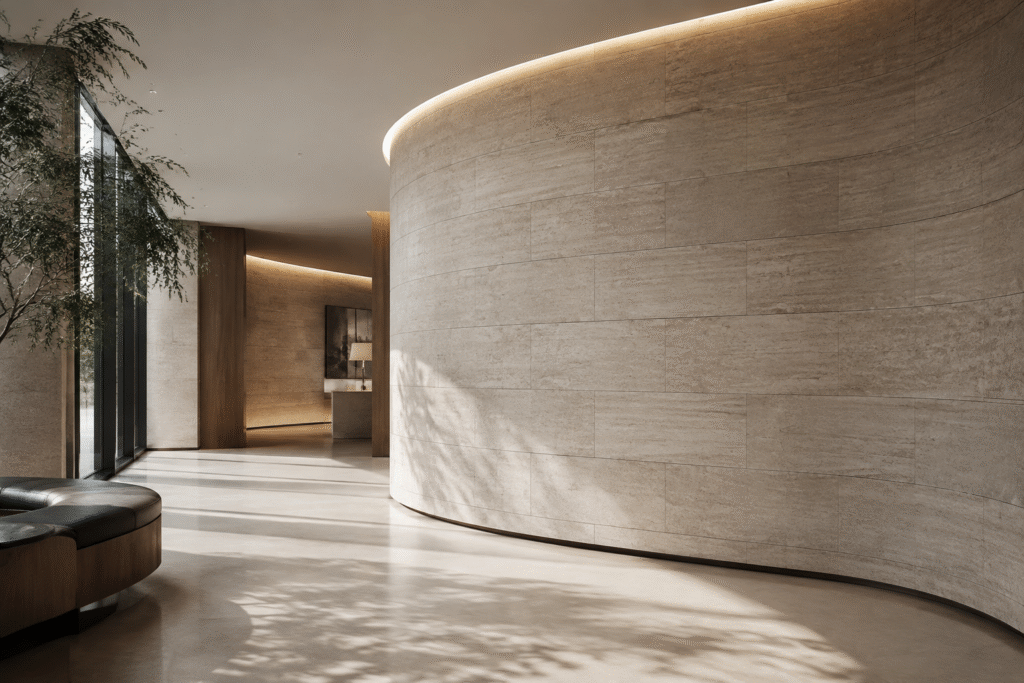
Your Curved Wall Panels Manufacturer
Duolong is a flexible stone manufacturer in China, specializing in the production of lightweight stone panels with flexible structures and natural surface textures. We provide manufacturing support for customers who need reliable wall material solutions, including product development, customized designs, and long-term supply cooperation.
Traditional stone materials often face limitations when used on curved surfaces because of their weight, rigid structure, and complex processing requirements. Duolong develops flexible stone panels that can adapt to different design requirements while maintaining the appearance and texture of natural stone.
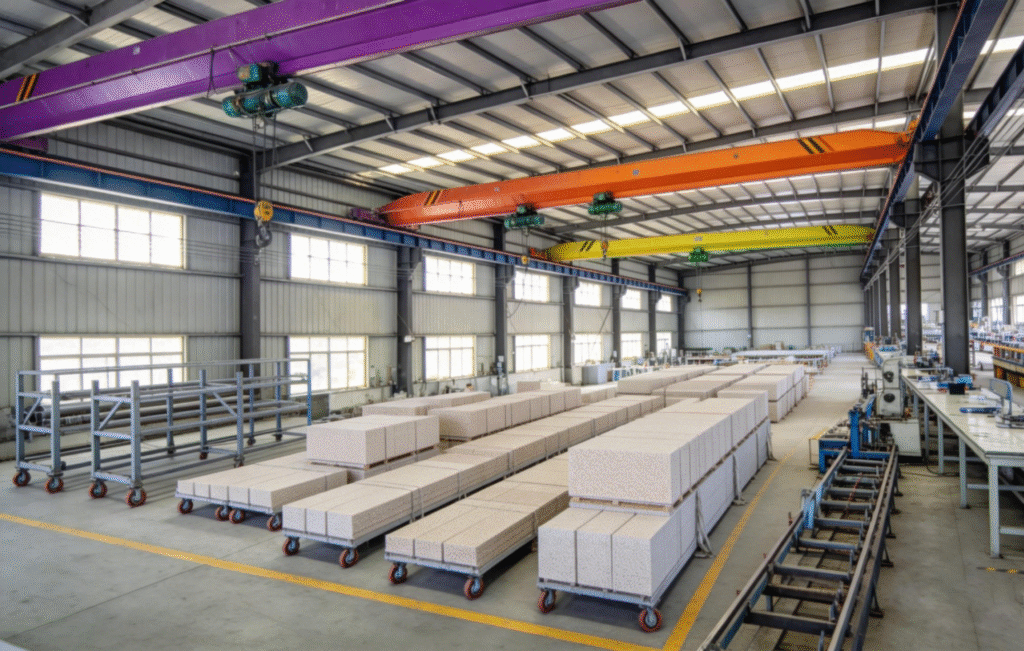
Our factory focuses on flexible stone production, covering different surface styles, colors, and textures to meet various market demands. Through continuous improvement of production processes and material development, we help customers create product collections that combine visual quality with practical installation needs.
Duolong works directly with architects, contractors, and building material companies to understand project requirements and provide suitable product solutions. From material selection to production details, we focus on clear communication and efficient cooperation to reduce unnecessary issues during the purchasing process.
As a flexible stone manufacturer, Duolong is committed to providing stable manufacturing support for global customers. We combine production experience with market understanding to help partners develop competitive wall material products and build long-term cooperation.
Products
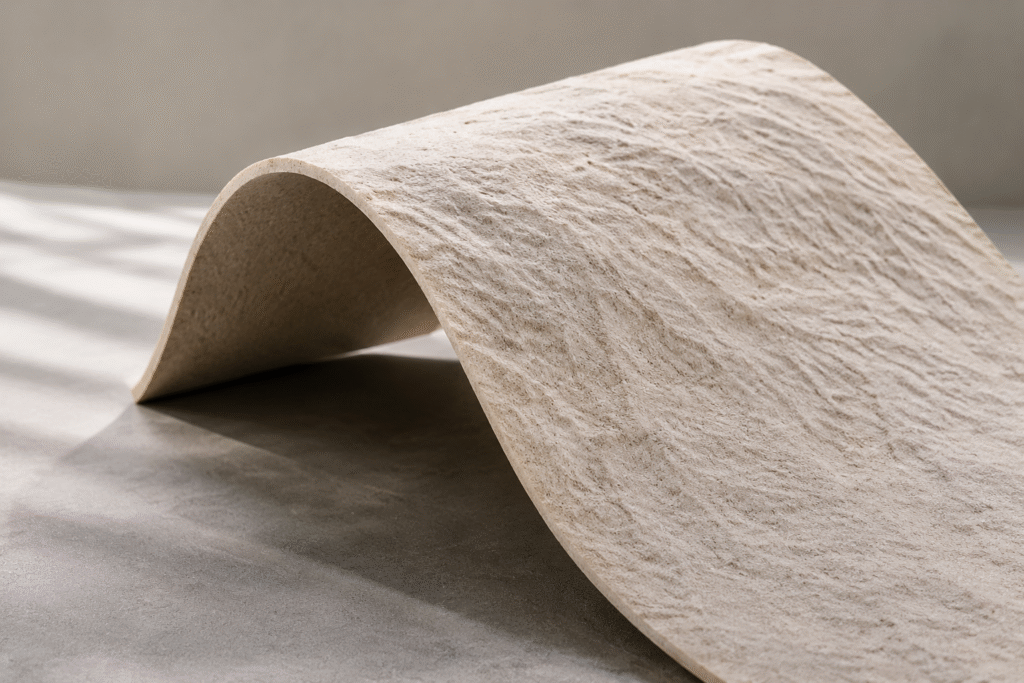
Natural Sandstone Flexible Stone Panel
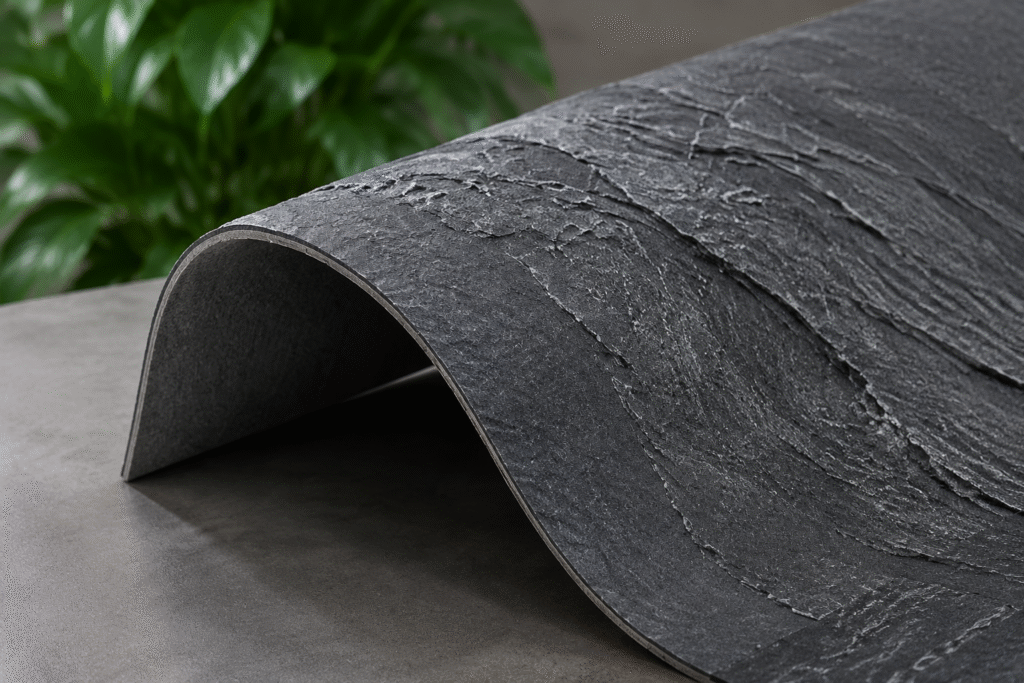
Charcoal Slate Flexible Stone Panel
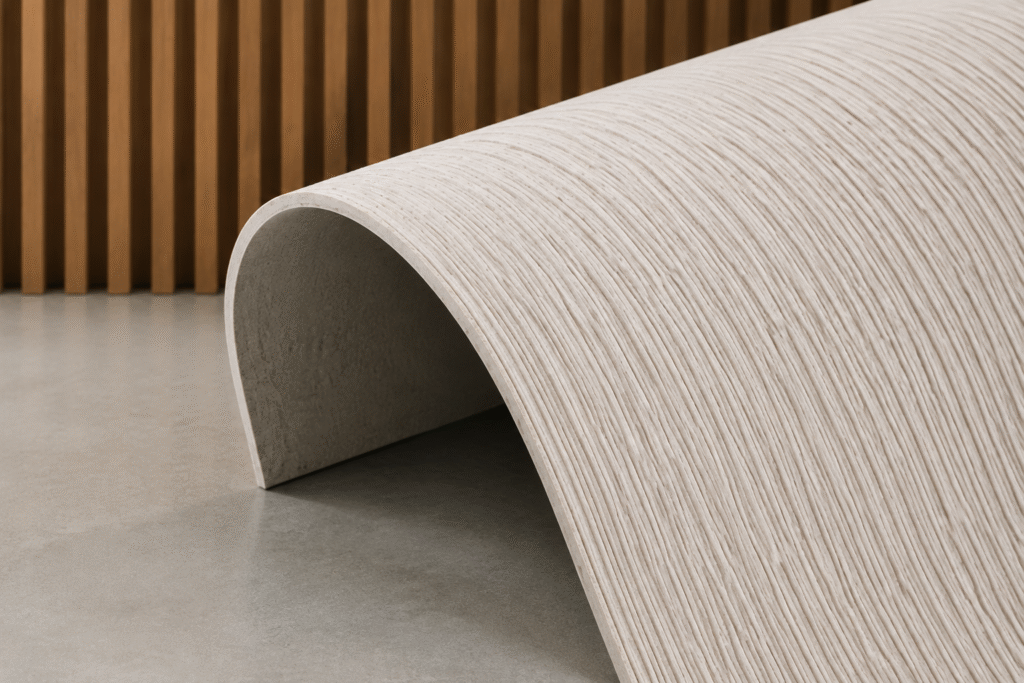
Linear Limestone Flexible Stone Panel
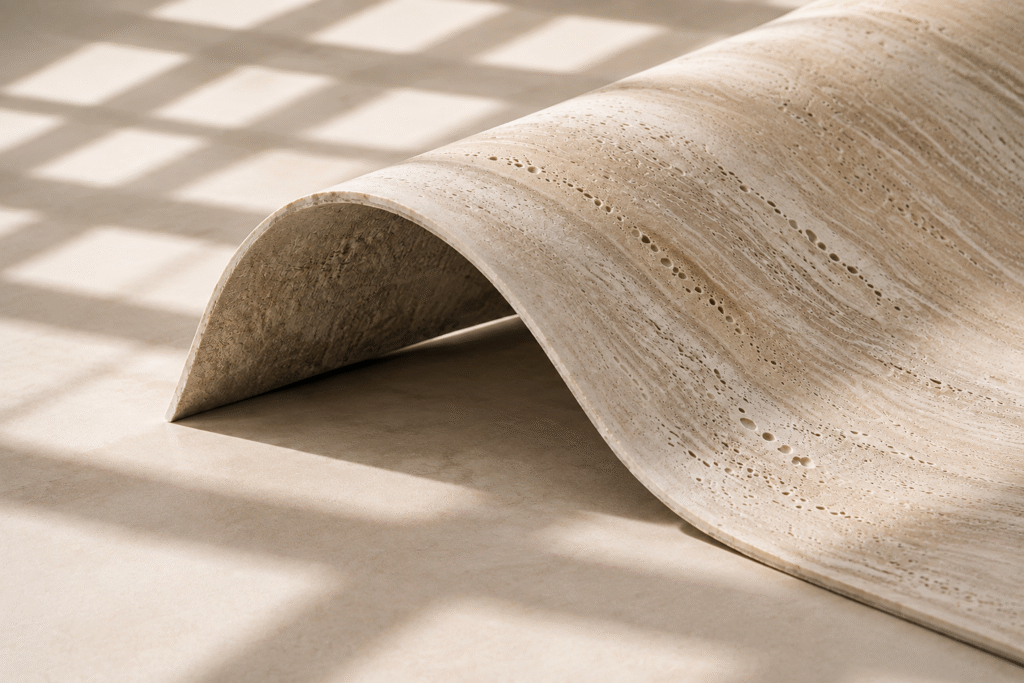
Ivory Travertine Flexible Stone Panel
Our Advantages

Developed for Complex Wall Shapes
Traditional stone materials are limited by their rigid structure, making curved surfaces difficult to achieve without additional processing. Duolong flexible stone panels are developed with a flexible structure that allows architects and contractors to explore curved wall designs with fewer material limitations.
Texture Consistency Across Large Projects
Large architectural projects require wall materials with stable appearance across different production batches. Duolong focuses on maintaining consistent textures, colors, and surface effects to help customers achieve a unified visual result throughout the entire project.
Manufacturing Support From Sample Development
Every project has different requirements for texture, thickness, color, and surface style. Duolong provides support from initial sample confirmation to production preparation, helping customers reduce communication problems before bulk orders.
Designed Around Real Installation Conditions
Wall materials are not only judged by appearance but also by how they perform during installation. Duolong develops flexible stone panels considering cutting, handling, transportation, and on-site adjustment requirements, making them easier to integrate into real construction processes.
why choose us
Flexible Materials Developed for Curved Surfaces
Curved walls are difficult to achieve with traditional stone because rigid materials require complex cutting and installation methods. Duolong flexible stone panels are designed with better flexibility, allowing the material to follow curved surfaces while keeping the natural appearance of stone textures.
Natural Texture With Stable Appearance
For architectural projects, the final visual effect depends on the consistency of the surface. Duolong focuses on stone texture details, color balance, and surface finishing to ensure different panels maintain a natural and coordinated appearance after installation.
Multiple Designs Meet Different Market Needs
Different customers have different preferences for stone styles, colors, and surface effects. Duolong develops various flexible stone collections, including travertine, slate, limestone, and sandstone textures, giving distributors and project buyers more choices when planning product selections.
Production Support Based on Real Project Requirements
Curved wall projects often require specific sizes, samples, and material adjustments before production. Duolong communicates with customers during the preparation stage to confirm product details and reduce problems during later installation.
Lightweight Structure Improves Handling Efficiency
Traditional stone materials can create additional challenges during transportation and installation due to their weight. Flexible stone panels are lighter and easier to handle, helping reduce workload during construction and improving efficiency on site.
Understanding International Purchasing Requirements
Different countries have different expectations for building materials, packaging, and transportation methods. Duolong works with overseas customers to prepare products according to their purchasing requirements and make the supply process smoother.
Continuous Product Improvement Based on Market Feedback
Building material trends continue to change, and customers often need new textures and designs to match local markets. Duolong continues developing new flexible stone styles based on customer feedback and market demand, helping partners maintain competitive product collections.
FAQ
1. Can flexible stone panels be installed on curved walls?
Yes, flexible stone panels are designed to follow curved surfaces that are difficult to achieve with traditional rigid stone materials. Their flexible structure allows installers to adjust the panels according to different wall shapes while maintaining the natural appearance of stone textures.
2. What makes flexible stone suitable for curved wall designs?
The main difference is the material flexibility. Traditional stone panels are rigid and require additional cutting or processing for curved structures, while flexible stone can adapt to curved surfaces more easily, giving architects more freedom when designing unique wall shapes.
3. How do contractors install flexible stone panels on curved surfaces?
Installation methods depend on the project requirements and wall conditions. Generally, the panels can be cut, adjusted, and fixed according to the surface shape. Proper surface preparation and installation methods help achieve better results on curved walls.
4. Can flexible stone panels maintain the same appearance after bending?
Yes. Flexible stone panels are developed to maintain their surface texture and stone appearance after bending. The natural patterns, colors, and finishes remain visible, allowing curved walls to achieve a consistent decorative effect.
5. Are flexible stone curved wall panels suitable for large commercial projects?
Yes. Many commercial projects consider flexible stone panels because they provide a lighter alternative to traditional stone materials. Their easier handling and design flexibility can help simplify material installation in larger projects.
6. How do flexible stone panels compare with natural stone for curved applications?
Natural stone provides a premium appearance but has limitations when used on curved surfaces due to its weight and rigid structure. Flexible stone offers a similar stone visual effect while providing easier handling and greater design flexibility.
7. What should buyers consider when sourcing flexible stone curved wall panels?
Buyers should evaluate more than the surface appearance. Important factors include texture consistency, panel specifications, production capability, packaging method, and whether the manufacturer can support long-term product supply.
8. Can flexible stone panels be exported internationally?
Yes. Flexible stone panels are lightweight compared with traditional stone materials, which can help improve transportation efficiency. For international buyers, factors such as packaging, loading methods, and product protection during shipping should be considered.
9. How long can flexible stone wall panels last after installation?
The service life depends on installation quality, environmental conditions, and maintenance methods. Proper installation and suitable material selection help maintain the appearance and performance of flexible stone panels over long-term use.
10. Why are architects choosing flexible stone panels for modern wall designs?
Architects are exploring flexible stone because it provides more possibilities for curved surfaces, natural textures, and creative wall expressions. It allows designers to achieve stone-like visual effects while reducing some limitations caused by traditional heavy materials.
Transaction Process

Inquiry and requirement confirmation
Confirm application (interior/exterior), sizes, finishes/colors, quantity, destination, and any accessory needs. Align on technical requirements such as substrate condition, climate exposure, and curved-surface needs.
Quotation, samples, and approval
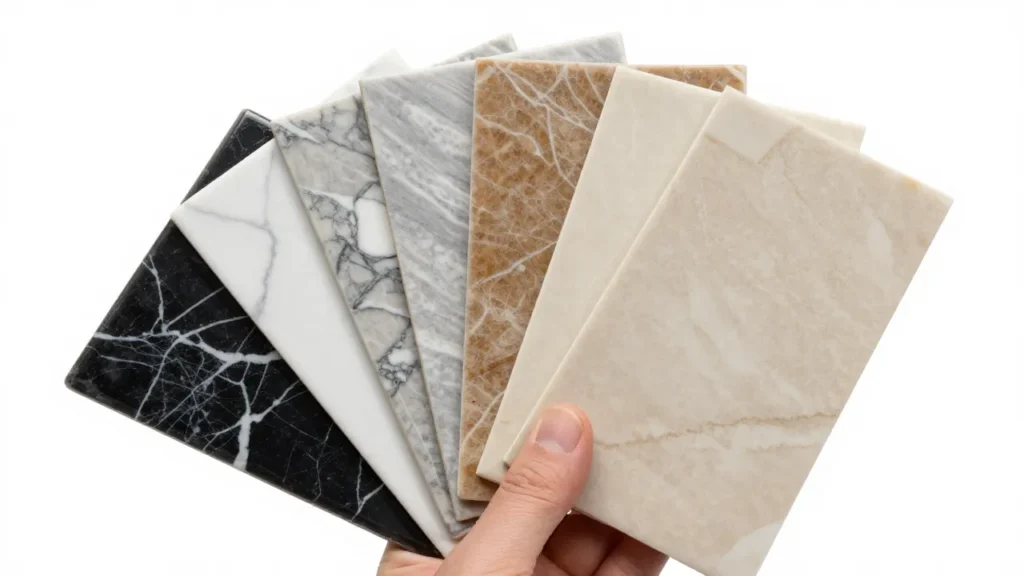
Issue a formal quotation with product options, lead time, and Incoterms. Provide samples for color/texture confirmation. Finalize specifications based on approved samples as the acceptance benchmark.

Order placement, payment, and production
Confirm the order via Proforma Invoice (PI), arrange the agreed payment, and schedule production. Maintain batch control and quality inspection during manufacturing and pre-shipment packing checks.
Shipment, documents, and after-sales support
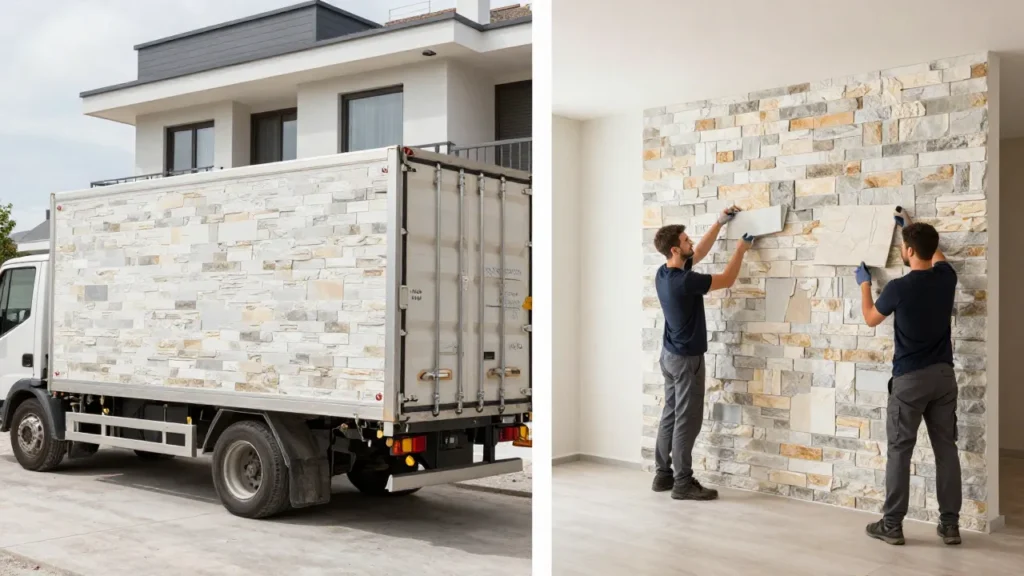
Arrange shipping (FCL/LCL/air), provide export documents (invoice, packing list, B/L or AWB, and other required certificates), support customs clearance coordination, and handle receiving inspection, claims, replacements, and installation support.
Table of Contents
Why Architects Choose Flexible Stone Panels for Curved Wall Designs
Curved walls have always been a challenge in architectural design because traditional materials are often limited by their rigid structure. Natural stone can create a premium appearance, but achieving smooth curves usually requires complex cutting, additional processing, and higher installation effort. As modern architecture continues to explore more dynamic shapes and creative surfaces, architects are paying more attention to lightweight materials that can provide stone-like textures without the same limitations.
In many commercial and interior projects, the design concept is created first, but material selection determines whether that concept can be achieved efficiently. Traditional stone panels are difficult to adjust once the shape becomes more complex, especially when the wall includes soft curves, rounded corners, or irregular surfaces. These limitations can affect both construction schedules and project budgets.
Flexible stone panels provide another approach by combining natural stone appearance with a more adaptable structure. The material can follow curved surfaces more easily, allowing designers to create flowing wall forms while maintaining realistic stone textures. This flexibility gives architects more freedom when developing spaces that require stronger visual identity.
Compared with traditional stone, flexible stone also changes the way installation is planned. Heavy stone materials often require more preparation, stronger support structures, and additional handling during transportation and construction. Lightweight wall materials can reduce these pressures and make installation processes easier to coordinate.
For architects, material selection is not only about appearance. A successful material needs to balance design intention, construction feasibility, and long-term performance. This is especially important in commercial projects where every stage of construction affects the final delivery schedule.
The growing interest in flexible stone curved wall panels reflects a broader change in the building industry. Designers are looking for materials that provide more possibilities without creating unnecessary complexity during construction. Materials that combine visual quality with practical installation advantages are becoming increasingly valuable in modern architectural projects.
Flexible stone panels are not replacing every traditional material, but they provide architects with another option when standard stone solutions cannot meet the requirements of curved wall designs. As architectural styles continue to evolve, flexible materials will play a larger role in helping designers achieve more creative and practical wall solutions.
Flexible Stone Curved Wall Panels Reduce Challenges in Modern Architecture
Modern architecture is increasingly moving beyond traditional flat surfaces. Curved walls, rounded structures, and flowing interior details are becoming more common in commercial spaces because they create stronger visual experiences and more distinctive designs. However, these design concepts often create challenges during material selection, especially when using traditional stone and rigid wall materials.
Natural stone has long been considered a premium architectural material because of its unique texture and solid appearance. However, when applied to curved surfaces, its limitations become more obvious. Stone requires precise cutting, additional processing, and careful installation methods to achieve curved shapes. These extra steps can increase project complexity and create additional pressure on construction teams.
Flexible stone curved wall panels provide an alternative approach by offering a balance between natural stone appearance and easier material adjustment. The flexible structure allows panels to follow curved surfaces more effectively, reducing the difficulty of creating smooth transitions between different wall sections.
For contractors, the advantage is not only the material itself but also the impact on the overall construction process. Materials that are easier to handle can help reduce unnecessary preparation work and improve coordination between different installation teams. In commercial projects, where deadlines are often strict, reducing construction complexity can have a direct impact on project efficiency.
Material transportation is another factor that influences modern construction decisions. Traditional stone products require more space and create higher weight pressure during international shipping. Lightweight flexible stone panels can provide better transportation efficiency, which is especially valuable for overseas projects and distributors managing multiple product categories.
Climate conditions are also changing how architects and developers evaluate wall materials. In regions such as Southeast Asia, coastal cities, and high-humidity areas, project teams increasingly consider not only the appearance of materials but also long-term maintenance requirements. A material that simplifies installation and reduces unnecessary structural pressure can provide additional value throughout the project lifecycle.
The development of flexible stone panels represents a wider movement within the construction industry. Designers and contractors are searching for materials that support creative architecture while maintaining practical construction requirements. Curved wall designs are no longer limited by traditional material restrictions, allowing more possibilities for modern building spaces.
As architectural projects become more focused on design flexibility and construction efficiency, lightweight curved wall materials will continue gaining attention among professionals looking for better ways to balance aesthetics, installation, and project performance.
Traditional Stone Limitations Curved Walls Need Lightweight Materials
Curved wall designs create a unique visual effect in modern architecture, but they also expose the limitations of many traditional building materials. Natural stone, ceramic tiles, and other rigid finishes have been widely used for decades because of their durability and appearance. However, when projects require curved surfaces, these materials often bring additional challenges during processing, transportation, and installation.
The main difficulty comes from the rigid structure of traditional materials. A flat stone panel works well on standard walls, but creating smooth curves usually requires specialized cutting, precise measurements, and additional installation steps. For large projects, these extra processes can increase labor requirements and extend construction schedules.
Renovation projects often face even greater limitations. Existing buildings may not have the structural conditions needed to support heavy materials, especially when designers want to add decorative wall features without major modifications. In these situations, reducing material weight becomes an important consideration during the planning stage.
Flexible stone curved wall panels provide a different solution by combining a natural stone appearance with a lighter and more adaptable structure. Instead of reshaping heavy stone through complex processing, flexible panels can be adjusted according to the wall surface, making curved designs easier to achieve.
For international buyers and distributors, material weight also affects logistics decisions. Heavy stone products require higher transportation costs and more complicated handling procedures. Lightweight wall materials can improve shipping efficiency, especially when suppliers need to deliver products across different regions.
Climate conditions have also influenced material choices in many markets. In Southeast Asia and coastal regions, where humidity, heat, and weather changes can affect building materials, project teams are paying more attention to installation methods and long-term maintenance requirements. Materials that reduce construction difficulty can help lower potential risks during the building process.
The shift toward lightweight wall solutions does not mean traditional stone will disappear. Natural stone still has strong value in many architectural applications. However, modern projects require more flexible choices, especially when designers want to combine curved forms with efficient construction methods.
Flexible stone curved wall panels represent this change in material selection. They provide architects, contractors, and building material buyers with another option when traditional materials create unnecessary limitations. As construction continues to focus on design freedom and practical performance, lightweight materials will become an increasingly important part of future wall systems.
How Contractors Install Flexible Stone Panels on Complex Wall Shapes
Complex wall designs often create unexpected challenges during construction. While architects may develop curved surfaces and unique structures during the design stage, contractors need to consider how these ideas can be achieved efficiently on site. The choice of wall material directly affects installation methods, labor requirements, and the overall project schedule.
Traditional stone materials usually require precise cutting and additional processing before they can be installed on curved surfaces. Even small adjustments can become difficult when working with rigid materials, especially when the project involves multiple curves or irregular wall shapes. These limitations can increase preparation time and require more specialized labor.
Flexible stone panels provide contractors with a different installation approach. Because the material can adapt to curved surfaces, installers have more flexibility when working with different wall structures. The panels can be adjusted according to the shape of the surface, helping reduce some of the difficulties commonly associated with rigid stone installation.
Before installation, contractors usually focus on several important factors, including wall preparation, measurement accuracy, adhesive selection, and installation sequence. Proper preparation remains essential because even flexible materials need a suitable foundation to achieve a stable and consistent finish.
For large commercial projects, installation efficiency becomes especially important. Delays in wall finishing can affect other construction stages, including lighting, furniture installation, and final decoration work. Materials that simplify installation can help different teams coordinate more effectively and maintain project timelines.
International contractors also consider transportation and handling when selecting wall materials. Heavy stone products require more manpower and equipment during unloading and movement. Lightweight flexible stone panels can reduce handling difficulties and provide more convenience throughout the construction process.
In regions with high humidity and changing weather conditions, contractors also pay attention to long-term maintenance requirements. Material selection is not only about completing installation but also about ensuring the finished wall maintains its appearance over time.
Flexible stone curved wall panels are becoming an option for contractors who need to balance design requirements with practical construction conditions. They do not replace every traditional material, but they provide a more adaptable choice for projects where curved surfaces, installation efficiency, and material flexibility are important considerations.
Why Importers Add Flexible Stone Curved Panels Into Building Material Collections
Building material importers are constantly looking for products that can create new market opportunities while reducing competition from standard materials. In many regions, traditional wall finishes such as ceramic tiles and natural stone have become highly competitive categories, making it difficult for distributors to create clear differences between their product collections.
When adding a new material category, importers usually consider more than the product appearance. They need to evaluate customer demand, transportation efficiency, product consistency, and whether the material can provide long-term commercial value. A product that only attracts attention but cannot support stable sales is difficult to develop into a successful business line.
Flexible stone curved wall panels provide importers with a different product direction. The combination of natural stone textures and flexible characteristics creates opportunities for distributors to offer materials that are visually different from traditional wall products. This can help building material companies expand their collections and provide more options to architects, contractors, and end customers.
For international buyers, transportation is an important factor when evaluating new products. Heavy stone materials require more careful logistics planning because weight directly affects shipping costs and handling requirements. Lightweight flexible stone panels can improve loading efficiency and make international distribution easier to manage.
Another consideration is market adaptability. Different countries have different preferences for colors, textures, and architectural styles. Importers often need product collections that can be adjusted according to local demand rather than relying on a single standard design. Flexible stone panels provide various surface options, allowing distributors to develop collections suitable for their own markets.
The success of a new building material category also depends on supplier cooperation. Importers need manufacturers who understand product development, production consistency, and future market changes. Long-term cooperation allows businesses to introduce new designs, improve collections, and respond to customer feedback more effectively.
As the building material industry continues to evolve, distributors are searching for products that combine design value with practical advantages. Flexible stone curved wall panels represent one of the material directions that can help importers create differentiated product lines while meeting the changing expectations of modern construction markets.
Flexible Stone Panels Change Interior Design Possibilities
Interior design has become more focused on creating spaces with stronger visual identity. Designers are no longer limited to traditional flat walls and standard decorative finishes. Curved surfaces, soft transitions, and natural textures are increasingly used to create more memorable environments. However, achieving these designs requires materials that can support creative ideas without making construction unnecessarily complicated.
Traditional stone has always been valued for its natural appearance, but its rigid structure limits how it can be used in more flexible designs. When designers want to create rounded walls, curved columns, or smooth transitions between surfaces, heavy stone materials often require additional processing and more complicated installation methods.
Flexible stone panels provide designers with more freedom when working with curved wall concepts. The material combines the visual characteristics of natural stone with a structure that can better adapt to different shapes. This allows designers to explore more creative surface designs while maintaining a realistic stone finish.
For commercial interiors, the wall surface plays an important role in shaping the overall atmosphere of a space. A curved stone-textured wall can create stronger visual impact compared with traditional flat decorative panels. This has become increasingly important for businesses that want their spaces to communicate a specific design style.
Another factor influencing material selection is renovation efficiency. Many interior projects need to update existing spaces within limited timeframes. Heavy materials can increase construction difficulty, especially when working in completed buildings where access and working conditions are restricted. Lightweight flexible materials can provide more practical options during renovation.
Designers also consider how materials perform across different markets. In regions with high humidity or changing climate conditions, material maintenance becomes an important part of the design decision. Choosing a suitable wall material can help reduce future maintenance pressure while maintaining the intended appearance.
The development of flexible stone panels reflects a wider change in interior architecture. Designers are looking for materials that combine natural aesthetics with greater adaptability. Instead of choosing between appearance and practicality, modern materials are creating more balanced options for creative wall designs.
As architectural styles continue to evolve, curved wall applications will become more common in commercial and residential projects. Flexible stone panels provide designers with another way to achieve distinctive spaces while keeping installation and material handling more manageable.
Curved Wall Materials Selection Guide Commercial Building Projects
Commercial building projects often involve complex decisions during the material selection stage. While appearance is an important factor, project teams also need to consider installation difficulty, construction schedules, transportation requirements, and long-term maintenance. For curved wall designs, these factors become even more important because not every decorative material can achieve the required shape efficiently.
Traditional wall materials are usually designed for flat surfaces. When a project requires curved walls, rounded corners, or flowing architectural details, rigid materials may require additional cutting, special processing, and more complicated installation procedures. These extra steps can increase labor requirements and create challenges for contractors managing strict project timelines.
Flexible stone curved wall panels provide an alternative option for commercial projects that require both design flexibility and practical construction methods. The material maintains the natural appearance of stone while offering better adaptability for curved surfaces. This allows designers and contractors to achieve more complex wall forms without relying on heavy stone processing.
During project planning, contractors often evaluate how materials will affect the entire construction process. A wall material that is easier to handle can reduce pressure during transportation, storage, and installation. This becomes especially valuable for large commercial projects where multiple teams need to coordinate their work within a limited schedule.
Location is another important factor when selecting wall materials. In tropical regions, coastal cities, and high-humidity environments, project teams need to consider how climate conditions may influence long-term maintenance. Materials that combine suitable surface performance with efficient installation methods can help reduce future project concerns.
For building material buyers and importers, product selection also involves supply considerations. They need materials that can maintain consistent appearance across different orders and support ongoing project requirements. A reliable product category should provide enough design options while maintaining stable production standards.
The increasing use of curved architectural elements shows a broader movement in modern construction. Buildings are becoming more focused on unique visual identity, but project teams still need materials that are practical to install and manage. Flexible stone curved wall panels represent a balance between design freedom and construction efficiency, providing another choice for commercial projects that require more adaptable wall solutions.
Future Trends Lightweight Materials Curved Architectural Design
Architectural design is moving toward more flexible forms, where curved surfaces and natural textures are becoming important elements in modern buildings. From commercial interiors to exterior architectural details, designers are exploring ways to create spaces that feel more dynamic and distinctive. However, these design trends also require building materials that can support complex shapes without creating unnecessary construction challenges.
For many years, rigid materials such as natural stone and ceramic products have dominated wall decoration. Their durability and appearance remain valuable, but their limitations become more obvious when projects involve curved surfaces. Cutting, shaping, and installing rigid materials on curved walls often require additional processing and skilled labor, which can increase project complexity.
The growing demand for lightweight materials reflects a change in how construction teams evaluate building products. Instead of focusing only on appearance, architects and contractors are considering the complete process, including transportation, installation efficiency, structural impact, and future maintenance.
Flexible stone curved wall panels are part of this movement. By combining stone-like textures with a flexible structure, these materials provide designers with more freedom when creating curved surfaces. They allow projects to maintain a natural stone appearance while reducing some of the limitations associated with traditional heavy materials.
This trend is particularly relevant in international markets. In regions such as Southeast Asia, coastal cities, and high-humidity areas, construction teams often face additional challenges related to climate conditions and long-term maintenance. Lightweight wall materials can provide practical advantages when projects need efficient installation and easier material handling.
For building material distributors and importers, the development of flexible materials also creates new opportunities. As customers look for differentiated products, suppliers that provide unique textures, practical installation solutions, and consistent product collections can build stronger market positions.
The future direction of wall materials will likely focus on balancing design freedom with construction efficiency. Buildings will continue to explore more creative shapes, but successful materials must also meet real project requirements. Flexible stone panels represent this shift by offering architects, contractors, and buyers another option for achieving modern curved wall designs with greater flexibility.
As construction methods continue to evolve, lightweight and adaptable materials will become an increasingly important part of architectural development. The industry is moving toward solutions that not only improve visual design but also simplify the challenges behind every completed project.