
Flexible Stone Brand Store Wall Panels
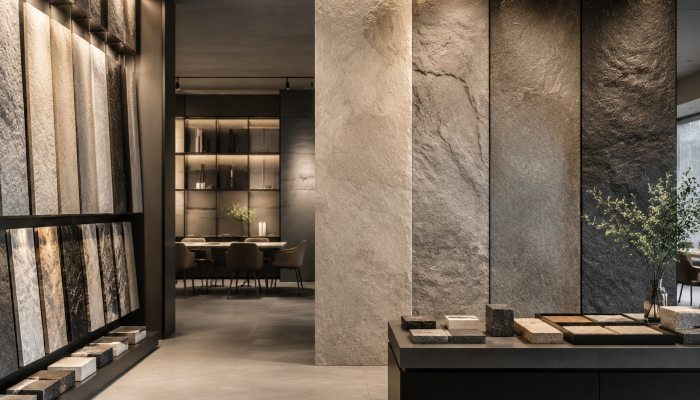
Your Trusted Flexible Stone Manufacturer
Duolong is a professional flexible stone wall panels manufacturer from China, focusing on developing and producing decorative wall materials for global building material brands and distribution channels. We work closely with partners who are looking to expand their product categories and introduce differentiated wall solutions into their local markets.
Unlike traditional building materials that often compete mainly through price, flexible stone provides a new product direction with unique textures, lightweight characteristics, and a wider range of design possibilities. Duolong helps partners build competitive product collections by providing various surface styles, colors, and finishes that meet different market preferences.
We understand that brand stores and distributors need products that are easy to present, easy to promote, and capable of creating customer interest. Therefore, our focus is not only on manufacturing panels but also on supporting partners with a complete product supply system, including product selection, design development, packaging solutions, and continuous product updates.
With experience in flexible stone production, Duolong combines manufacturing knowledge with market understanding to help customers develop long-term product strategies. We pay attention to changing trends in architectural decoration and continuously improve our product range to provide more choices for international markets.
Choosing Duolong means working with a manufacturer that understands both product development and market needs. We aim to support global partners with reliable manufacturing cooperation, helping them create stronger product portfolios and build sustainable growth in their local markets.
Products
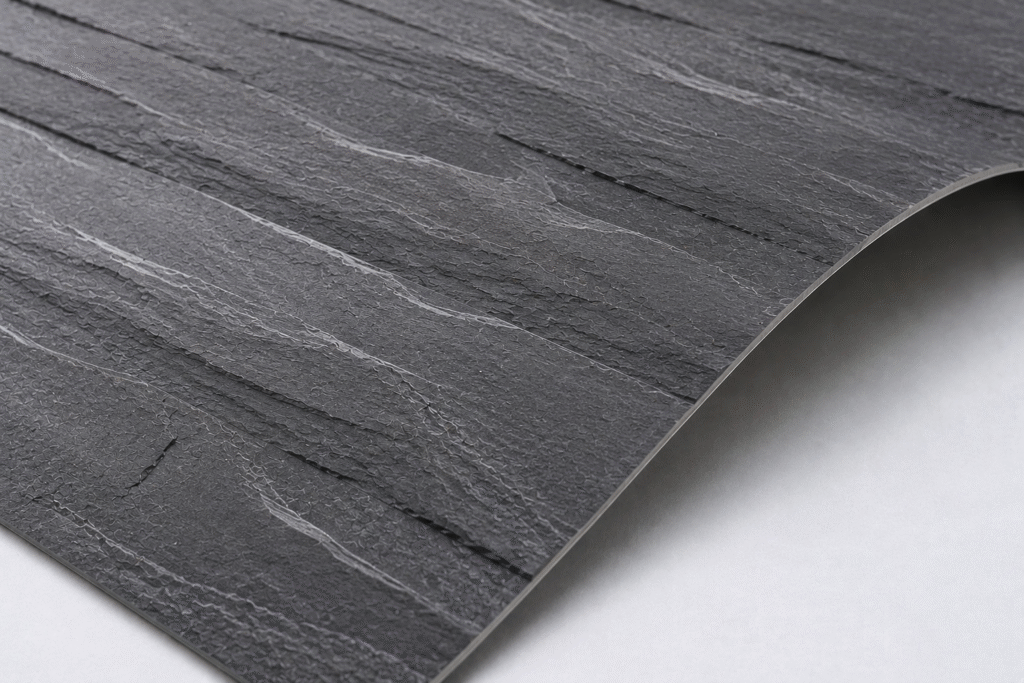
Charcoal Slate Series
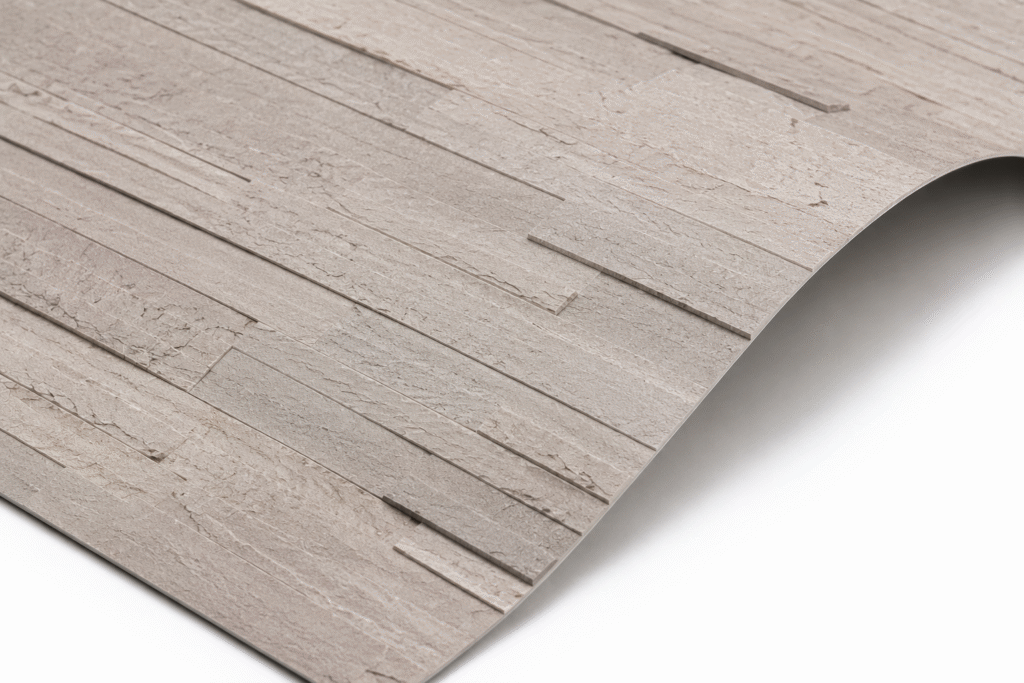
Linear Limestone Series
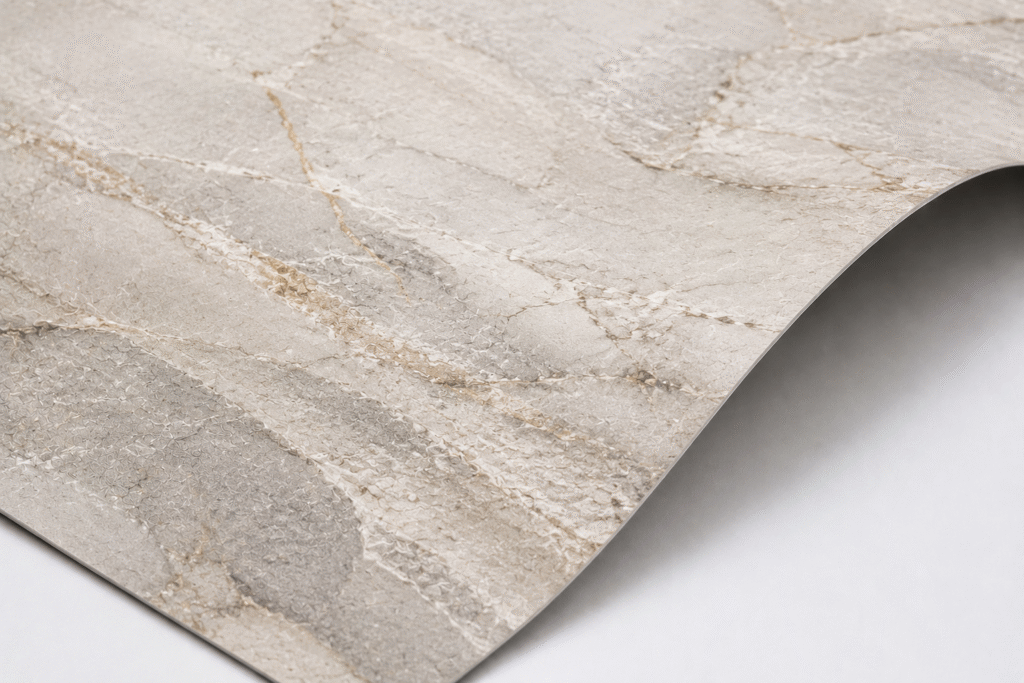
Silver Travertine Flexible Stone Panel
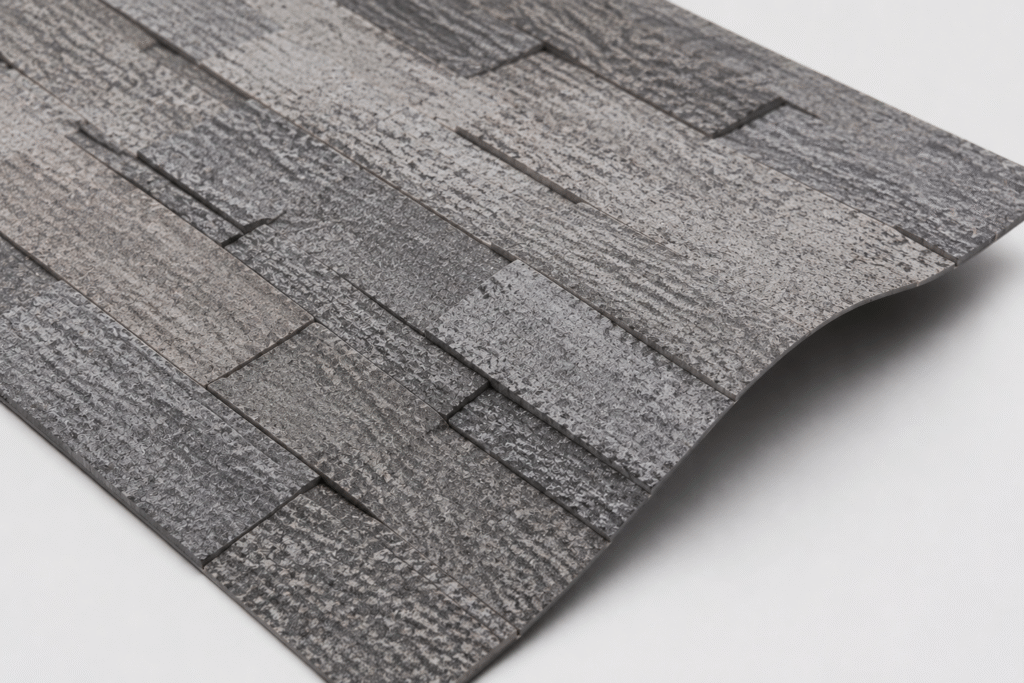
Charcoal Slate Flexible Stone Panel
Our Advantages

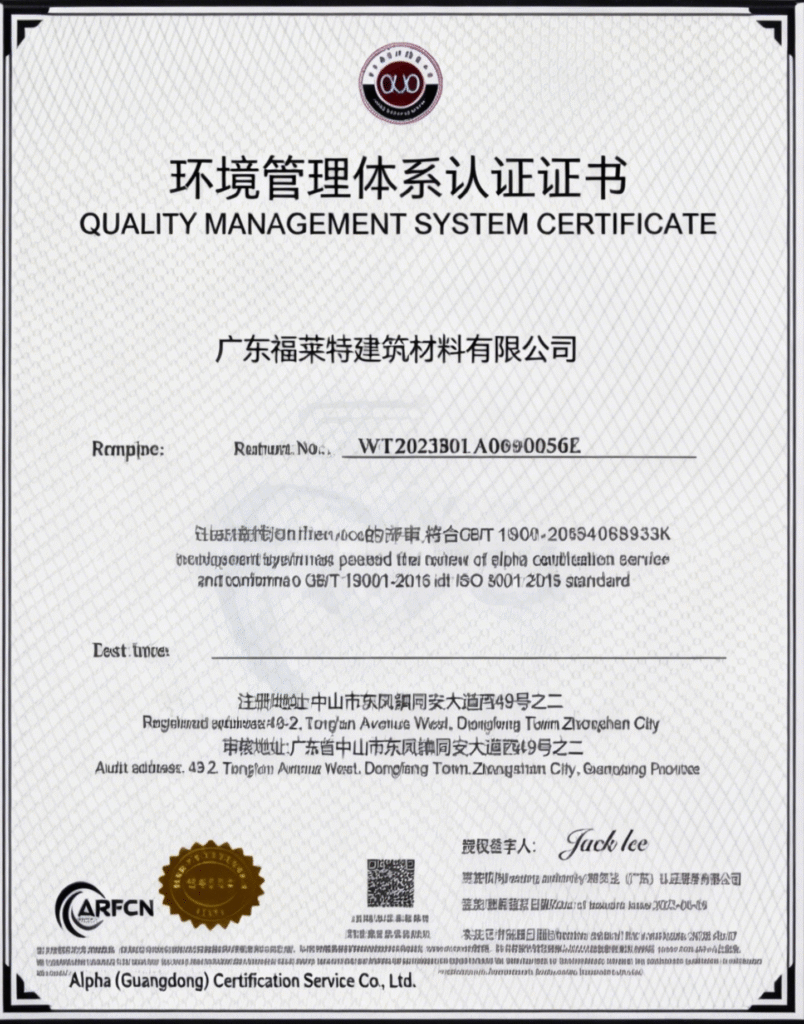
Product Development Support for Market Expansion
Duolong does more than manufacture flexible stone panels. We work with partners to develop product collections that match different market preferences and customer demands. From texture selection and surface styles to color combinations, we help customers create differentiated product lines instead of competing with standard materials already available in the market.
Wide Range of Surface Designs and Material Styles
A successful wall material brand needs more than one popular design. Duolong provides various flexible stone styles, including marble effects, limestone textures, slate surfaces, and natural stone patterns. This allows distributors and brand stores to build a complete product portfolio with different visual options for their local markets.
Flexible OEM and Private Label Cooperation
Duolong supports flexible cooperation models for customers who want to develop their own product identity. We can assist with customized packaging, product collections, and brand-oriented supply solutions. This helps partners create unique market positioning while building a closer relationship with their customers.
Direct Factory Communication and Faster Decision Making
Working directly with Duolong means customers communicate with the manufacturer instead of multiple intermediaries. Our team understands product details, production processes, and market requirements, allowing faster discussions about specifications, new designs, and project requirements. This creates a more efficient cooperation process from product selection to final delivery.
why choose us
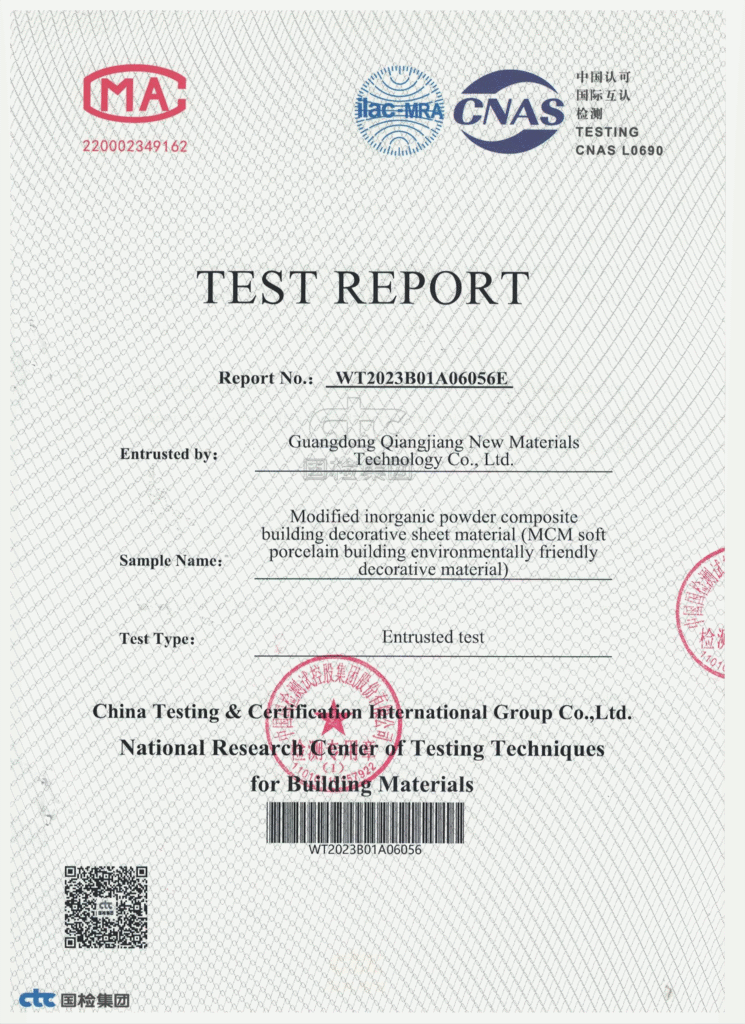
Build a More Competitive Product Portfolio
Many building material markets are becoming increasingly similar, making it difficult for distributors to attract new customers. Duolong helps partners introduce flexible stone collections with different textures, colors, and surface styles, allowing them to create a more attractive product portfolio and offer customers more choices beyond traditional wall materials.
Access New Material Trends Before Market Saturation
The building material industry continues to move toward lightweight and decorative solutions. By working with Duolong, customers can access flexible stone products that match changing market preferences and provide new opportunities for expanding their existing product categories. This allows distributors to stay competitive in a market where traditional materials face increasing price pressure.
Professional Support for Product Selection
Choosing the right products for a local market requires more than selecting popular designs. Duolong provides professional suggestions based on product characteristics, design trends, and customer requirements. This helps partners build a balanced collection instead of purchasing random styles that may not match their target market.
Create Unique Market Positioning
Different markets have different preferences for colors, textures, and decorative styles. Duolong supports customers in developing product combinations that better match their local market characteristics. This helps distributors avoid direct price competition and create a stronger product identity through differentiated wall material solutions.
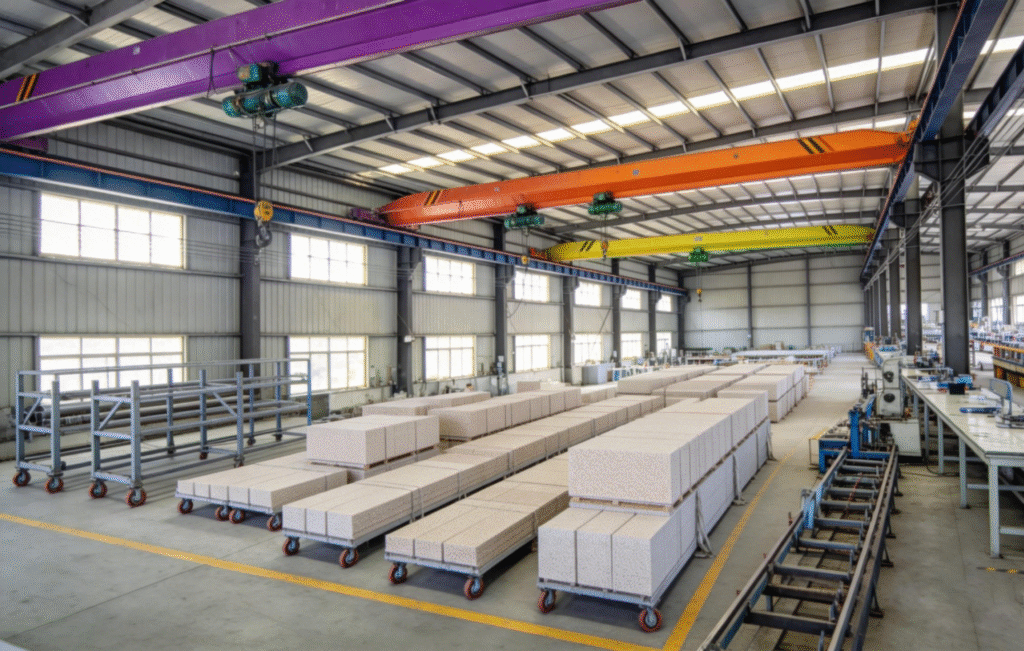
Long-Term Cooperation Beyond Single Orders
Duolong focuses on building continuous partnerships rather than completing one-time transactions. We understand that distributors and brand stores need ongoing product updates, new collections, and reliable cooperation to maintain market competitiveness. Long-term collaboration allows customers to gradually expand their product range with confidence.
Better Understanding of International Customer Needs
Working with global customers has helped Duolong understand different purchasing expectations, including product presentation, technical communication, packaging requirements, and market trends. This experience allows us to provide more practical support and make cooperation smoother for overseas partners.
A Manufacturer That Understands Business Growth
Customers choose Duolong because we understand that building materials are not only products but also part of a business strategy. We focus on helping partners develop stronger product categories, improve market competitiveness, and create sustainable growth opportunities through flexible stone solutions.
FAQ
How can flexible stone help building material brands create product differentiation?
Flexible stone allows brands and distributors to offer a decorative wall material that looks different from traditional tiles and stone products. With various textures, colors, and surface finishes available, customers can create unique product collections instead of competing only through price in a crowded building material market.
Can Duolong develop exclusive flexible stone collections for distributors?
Yes. Duolong can support customers who want to create customized product collections based on their market requirements. This may include selecting specific textures, color combinations, surface styles, and packaging solutions to help distributors build a more recognizable product range.
How many flexible stone designs should a brand store offer?
The ideal product range depends on the target market and customer demand. Many successful distributors combine several styles, such as marble effects, limestone textures, slate surfaces, and modern stone patterns, creating a balanced collection that provides different design choices without making product selection complicated.
What should distributors consider when building a flexible stone product line?
Distributors should consider local design preferences, popular colors, price positioning, and customer purchasing habits. A successful product line usually includes different styles that cover various design preferences while maintaining a clear brand identity rather than simply offering too many unrelated patterns.
Can flexible stone panels be supplied with private branding?
Duolong can cooperate with customers who require private label or brand-oriented supply solutions. Depending on project requirements, support can include product selection, packaging design coordination, and customized product combinations to help partners strengthen their own market presence.
How does Duolong support customers after the first order?
Long-term cooperation requires continuous support beyond the initial purchase. Duolong works with partners on future product selections, collection updates, repeat production requirements, and market feedback to help customers maintain competitive product offerings over time.
What makes flexible stone suitable for expanding a building material product range?
Many distributors already sell traditional decorative materials but need new products to attract customers. Flexible stone provides an additional category with different visual characteristics and market positioning, helping businesses expand their product range without relying only on existing materials.
Can Duolong provide different surface styles for different markets?
Yes. Different regions often have different preferences for colors, textures, and decorative styles. Duolong provides multiple surface options, allowing partners to select product combinations that better match their local market trends and customer expectations.
How do brand stores decide which flexible stone styles to introduce first?
Most brands begin with designs that have broad market appeal, such as natural stone textures, modern minimalist surfaces, and popular neutral colors. After understanding customer feedback, they can gradually expand their collection with more specialized designs.
Why do distributors prefer working directly with a flexible stone manufacturer?
Direct cooperation with a manufacturer allows distributors to communicate product requirements more efficiently, understand production capabilities, and develop long-term product strategies. It also creates more opportunities for customized collections and closer cooperation compared with standard trading relationships.
Transaction Process

Inquiry and requirement confirmation
Confirm application (interior/exterior), sizes, finishes/colors, quantity, destination, and any accessory needs. Align on technical requirements such as substrate condition, climate exposure, and curved-surface needs.
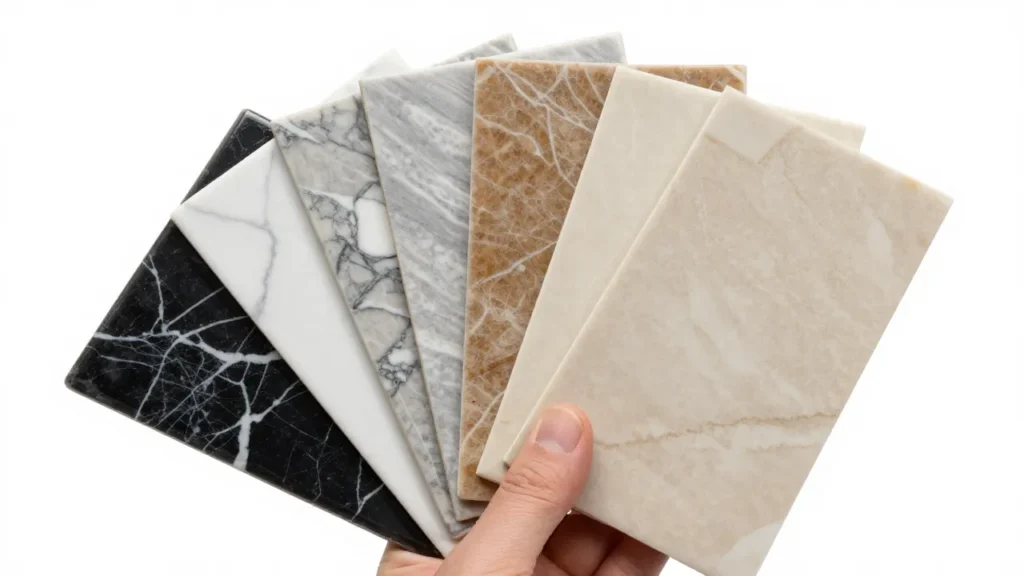
Quotation, samples, and approval
Issue a formal quotation with product options, lead time, and Incoterms. Provide samples for color/texture confirmation. Finalize specifications based on approved samples as the acceptance benchmark.

Order placement, payment, and production
Confirm the order via Proforma Invoice (PI), arrange the agreed payment, and schedule production. Maintain batch control and quality inspection during manufacturing and pre-shipment packing checks.
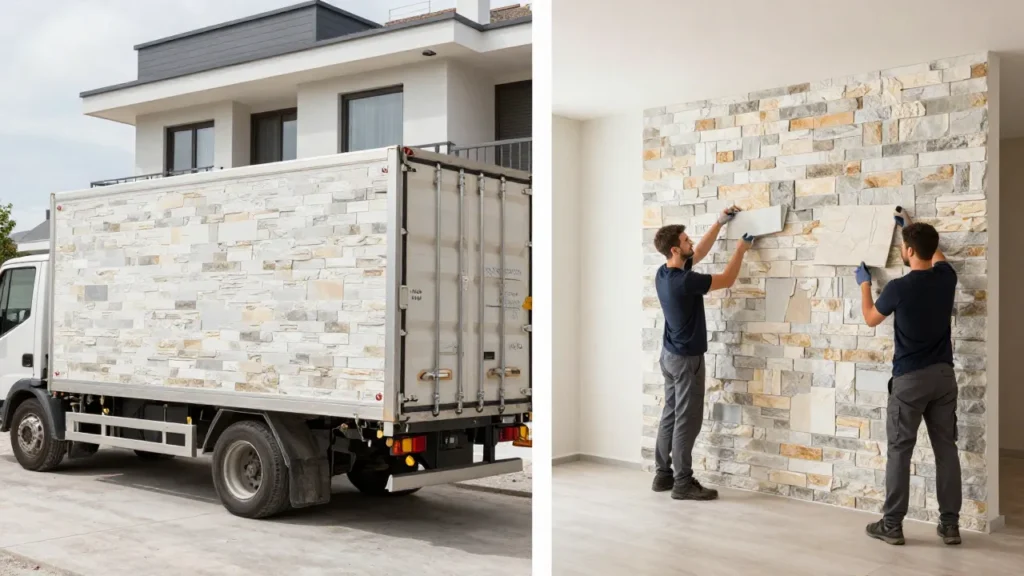
Shipment, documents, and after-sales support
Arrange shipping (FCL/LCL/air), provide export documents (invoice, packing list, B/L or AWB, and other required certificates), support customs clearance coordination, and handle receiving inspection, claims, replacements, and installation support.
Table of Contents
Why Building Material Brands Are Choosing Flexible Stone Wall Panels for Store Design
Brand stores are no longer just places where customers view products. They have become important spaces for creating brand identity and influencing purchasing decisions. For building material companies, the appearance of a showroom directly affects how customers perceive product value. This is why more brands are paying attention to wall materials that can create a stronger visual experience while supporting long-term product positioning.
Traditional wall finishes such as ceramic tiles and natural stone have been widely used in commercial displays for many years. However, many markets are becoming increasingly competitive, and similar textures and designs make it difficult for brands to create a unique store environment. Building material distributors are looking for new decorative solutions that help their collections stand out instead of competing only through price.
Flexible stone wall panels provide another option for brand stores because they combine natural stone appearance with more flexible product possibilities. Different textures, colors, and surface designs allow businesses to create various display styles while maintaining a consistent product identity. For companies developing their own wall material collections, this flexibility creates more opportunities to respond to local market preferences.
From a purchasing perspective, brand owners also consider practical factors beyond appearance. Store renovation projects often require materials that are easier to transport, handle, and install. Lightweight wall panels can simplify installation work and reduce difficulties during renovation, especially when multiple stores need to be completed within a planned schedule.
For international distributors, product selection is also connected with supply strategy. A successful product line requires consistent styles, reliable production support, and the ability to introduce new designs as market trends change. Working with a manufacturer that understands product development helps businesses build a stronger long-term collection instead of relying on temporary trends.
The role of wall materials in brand stores has changed. They are no longer only background decoration but part of the overall customer experience. Materials that combine visual appeal, installation efficiency, and product flexibility are becoming more valuable for companies looking to strengthen their market position.
How Flexible Stone Helps Building Material Brands Create Product Differentiation
The building material market has become increasingly competitive, especially for distributors and brands that rely on traditional wall products. Many companies face the same challenge: customers can easily compare similar tiles, stone finishes, and decorative panels from different suppliers, making price one of the main factors in purchasing decisions. For brands looking to grow, creating a more distinctive product range has become an important business strategy.
In the past, many building material companies focused mainly on expanding product quantity. However, having more products does not always create stronger market value. A large number of similar designs can make product selection more complicated without helping a brand stand out. Many successful distributors are now paying more attention to product identity, material characteristics, and how their collections are presented to customers.
Flexible stone provides a different opportunity for companies that want to develop a more recognizable wall material category. Compared with traditional decorative materials, flexible stone offers a wider range of surface styles, including natural stone textures, marble effects, limestone patterns, and modern finishes. This allows brands to build collections with different visual directions instead of relying on standard designs available everywhere.
For building material brands, differentiation is not only about appearance. A product also needs to support practical business needs. Distributors often consider whether a material can be transported efficiently, displayed effectively, and supplied consistently for future orders. A product that creates customer interest but cannot support long-term supply may not become a successful market category.
Many overseas buyers also use showroom displays to help customers understand new materials. A well-designed product collection allows customers to compare different textures and styles more easily, making the purchasing process more effective. Flexible stone panels can become part of this strategy by giving brands another way to present decorative wall solutions.
From a market perspective, the shift toward lightweight and flexible materials reflects a broader change in the building industry. Customers are no longer choosing materials only based on traditional reputation. They are looking for solutions that combine design value, practicality, and commercial potential.
For distributors and brand owners, the opportunity is not simply selling another wall panel. The real value comes from creating a product category that helps them compete differently in their local market. As building materials continue to become more diversified, brands with unique product positioning will have greater opportunities to build stronger customer recognition.
What Importers Should Consider Before Adding Flexible Stone to Their Product Line
For building material importers, adding a new product category is not simply a decision about purchasing another material. It is a business decision that affects inventory planning, customer demand, sales strategy, and long-term market positioning. Many importers have experienced the challenge of introducing products that look attractive but fail to create sustainable demand because they do not offer enough difference from existing materials.
Traditional wall materials such as ceramic tiles and natural stone have established markets, but they are also highly competitive categories. Many distributors face similar problems: limited product differentiation, increasing price pressure, and difficulty creating new selling points for customers. This has encouraged some importers to explore lightweight decorative materials that provide a different value proposition.
Before adding flexible stone to a product range, importers usually evaluate more than product appearance. Market acceptance, product variety, supply capability, and customer understanding all influence whether a new category can succeed. A material with unique textures and finishes may attract attention, but it also needs a clear positioning strategy to become a profitable product line.
One important consideration is product selection. Successful distributors rarely introduce only one design. They usually develop a balanced collection that includes different textures, colors, and styles to match local customer preferences. A well-planned collection allows sales teams to present more choices while maintaining a clear product identity.
Another factor is cooperation with the manufacturer. Importers need suppliers who understand that building a product category requires continuous support rather than a single shipment. New designs, market feedback, packaging requirements, and future product expansion are all part of long-term cooperation.
Flexible stone also provides opportunities for importers who want to enter markets where traditional materials face limitations. Its lightweight characteristics can simplify transportation and handling, which is especially valuable for international supply chains where shipping efficiency directly affects business costs.
The decision to add flexible stone should be based on long-term market potential rather than short-term demand. Importers who understand their customers, build a complete product range, and work with reliable manufacturing partners are more likely to develop a successful new category.
As building material markets continue to evolve, distributors are searching for products that offer both commercial value and practical advantages. Flexible stone represents one of the emerging material directions that allows importers to expand beyond traditional wall finishes and create stronger product differentiation in their local markets.
Why Traditional Wall Materials Are Losing Appeal in Modern Brand Showrooms
Building material showrooms have changed significantly in recent years. In the past, many brands relied on large displays of ceramic tiles, natural stone samples, and standard decorative surfaces to attract customers. However, as more companies enter the same market, traditional showroom displays are becoming less effective at creating a strong impression. Many brands now realize that the environment where products are presented can influence how customers understand their value.
One challenge facing traditional wall materials is the lack of differentiation. Many tile and stone collections share similar colors, patterns, and surface effects. When customers see multiple brands offering comparable designs, purchasing decisions often become focused on price rather than product value. For distributors and brand owners, this creates pressure on profit margins and makes it harder to build a unique market position.
The role of a showroom has also changed. A modern brand store is not only a place to display products but also a space where customers experience the material before making a decision. Wall finishes create the background for the entire product presentation, influencing the atmosphere and perceived quality of the brand. This has increased demand for decorative materials with stronger visual identity.
Traditional stone provides a premium appearance, but its weight and installation requirements can create limitations during showroom renovation. Moving heavy materials, adjusting displays, and completing renovations within a short schedule can increase project complexity. For brands operating multiple stores, these challenges become more noticeable because each location requires efficient construction planning.
Flexible stone panels offer another approach by combining natural stone appearance with easier handling characteristics. The variety of textures and finishes allows brands to create more distinctive showroom environments while maintaining flexibility during installation. This is valuable for companies that regularly update their displays or expand their retail network.
Another reason brands are exploring new materials is changing customer expectations. Buyers today want to see realistic textures, modern designs, and unique product concepts rather than traditional displays that look similar across different suppliers. Materials that create a memorable visual experience can help brands communicate their product value more effectively.
The future of building material showrooms will likely focus on experience rather than simple product display. Companies that use distinctive materials and thoughtful design strategies will have more opportunities to attract customers and strengthen brand recognition. Flexible stone represents part of this shift by helping brands move beyond traditional showroom concepts and create more differentiated spaces.
How Showroom Wall Design Influences Building Material Sales
A building material showroom is often the first place where customers experience a product before making a purchasing decision. While sales teams usually focus on product specifications and pricing, the surrounding environment plays an important role in how customers evaluate material value. A well-designed showroom can help customers understand texture, quality, and design possibilities in a way that product samples alone cannot achieve.
Many distributors have noticed that customers respond differently when materials are displayed in realistic environments rather than simple sample boards. A wall surface, lighting arrangement, and overall space design can influence how a product is perceived. Materials that appear ordinary in small samples can create a much stronger impression when displayed as a complete feature wall.
This has become a challenge for traditional building material suppliers. Many products compete in similar categories, and customers often struggle to recognize meaningful differences between brands. When several suppliers offer similar stone textures or tile patterns, the showroom experience becomes an important factor in helping one brand stand apart from another.
Flexible stone wall panels provide more opportunities for creating distinctive showroom displays. Because of their variety of textures and finishes, brands can design different display areas that communicate different styles and product concepts. Natural stone effects, modern surfaces, and unique patterns allow distributors to create a more complete visual experience for customers.
For international building material brands, showroom design also affects how new products are introduced to the market. When customers are unfamiliar with a material category, seeing a realistic installation can help them understand the potential value more quickly. This is especially important for innovative materials that require customers to experience the texture and appearance before they fully recognize the advantages.
Installation efficiency is another factor that showroom operators consider. Many brands regularly update displays to match new collections or market trends. Materials that are easier to handle and install allow companies to refresh their showroom environment with less disruption and shorter renovation periods.
A successful showroom is not only about displaying products; it is about creating confidence in the buying decision. Customers want to understand how a material looks, feels, and performs before committing to a purchase. As competition increases in the building material industry, brands that invest in better product presentation will have stronger opportunities to influence customer choices.
The future of building material sales will continue moving toward experience-based selling. Materials that support creative displays, efficient installation, and clear product communication will become increasingly valuable for distributors and brands seeking long-term market growth.
Choosing Flexible Stone Collections for International Building Material Markets
For building material distributors, selecting the right product collection is often more important than simply adding more products. Different markets have different preferences for colors, textures, and design styles. A collection that performs well in one region may not receive the same response in another market. Successful distributors usually study local customer demand before deciding which materials to introduce.
Traditional wall materials often follow established categories, but competition has made it harder for brands to create a unique position. Many distributors are looking for materials that allow them to offer something different while still matching the expectations of architects, contractors, and end customers.
Flexible stone provides opportunities for developing more diverse product collections because it is available in various surface styles. Some markets prefer natural stone textures with warm tones, while others show stronger demand for modern grey finishes, marble effects, or minimalist designs. Understanding these preferences helps distributors create product ranges that better fit their customers.
Regional factors also influence product selection. In Southeast Asia, where modern residential and commercial projects often combine natural textures with practical construction requirements, lightweight decorative materials have gained attention. In Middle Eastern markets, customers often value premium stone appearances and distinctive finishes. In coastal cities, materials that can support easier maintenance are frequently considered during project planning.
For importers, product collection planning also affects inventory management. Carrying too many unrelated designs can increase complexity, while offering too few options may limit customer interest. A balanced collection usually includes several core styles that represent different design preferences while maintaining a clear brand direction.
Working with a manufacturer that understands market differences can make this process more efficient. Product selection is not only about choosing attractive patterns but also about considering repeat orders, production capability, and long-term market demand. A successful collection needs to remain consistent while allowing space for future expansion.
The building material industry is gradually moving toward more specialized product categories. Customers are no longer satisfied with standard options available everywhere. They are looking for materials that provide stronger design value and help businesses create a clearer market identity.
Flexible stone collections represent this shift by giving distributors more possibilities to develop differentiated product lines. For companies entering new markets or expanding existing categories, choosing the right combination of styles and materials can become an important factor in long-term business growth.
Why Lightweight Wall Panels Are Becoming Popular Among Material Distributors
Building material distributors are facing a market that is becoming more competitive every year. Customers have access to more suppliers, more product choices, and more information before making purchasing decisions. In this environment, distributors are not only looking for materials that sell well today but also products that can create new opportunities for future growth.
Traditional wall materials remain important in many markets, but they also face several challenges. Similar designs, strong price competition, and limited product differentiation make it difficult for distributors to create a unique position. Many businesses are searching for materials that offer a different value while meeting the practical requirements of modern construction.
Lightweight wall panels have attracted attention because they solve several challenges throughout the supply chain. For distributors, the value of a lightweight material is not only related to the product itself but also to storage, transportation, handling, and customer demand. Materials that are easier to manage can help improve operational efficiency from the factory to the final project.
International distributors especially consider transportation when developing new product categories. Heavy materials require more space and increase shipping pressure, which can affect purchasing decisions. Lightweight wall panels provide another option for companies that want to expand decorative material categories while improving logistics efficiency.
Customer expectations are also changing. Contractors and designers increasingly ask for materials that combine visual quality with practical advantages. They want products that can help complete projects efficiently without sacrificing design possibilities. Distributors who provide these types of solutions can create stronger relationships with professional customers.
Another important factor is product presentation. New materials often require better explanation and demonstration because customers may not be familiar with them. Distributors that provide samples, showroom displays, and clear product information can help customers understand the value of lightweight wall solutions more easily.
For building material companies, adding lightweight wall panels is not simply about following a market trend. It is about responding to changes in how projects are designed, constructed, and purchased. Materials that improve flexibility, reduce unnecessary complexity, and provide more design options are becoming increasingly relevant in the modern construction industry.
As distributors continue to search for differentiated products, lightweight wall systems will likely become a more common part of building material portfolios. The companies that understand customer needs and select the right product categories will have stronger opportunities to compete in changing markets.
How Building Material Companies Build Long-Term Product Strategies with Flexible Stone
The building material industry is changing from a simple product-selling model toward a more strategic approach where companies focus on creating recognizable product categories. For distributors and brands, long-term growth is no longer only about finding products with competitive prices. It is about developing materials that provide clear value, attract different customer groups, and support continuous market expansion.
Many traditional building materials have reached a highly competitive stage. Ceramic tiles, stone products, and decorative panels are available from many suppliers, making it difficult for companies to create a strong difference. When customers see similar products from multiple brands, purchasing decisions often become focused on price rather than quality, design, or long-term value.
Flexible stone provides an opportunity for companies to build a more specialized product direction. Instead of offering another standard wall finish, distributors can develop collections based on different textures, colors, and design concepts. This allows businesses to create a stronger product identity and communicate a clearer message to architects, contractors, and end customers.
A successful product strategy also requires understanding how customers make decisions. Professional buyers often consider more than appearance. They evaluate installation requirements, transportation efficiency, supply reliability, and whether a product can support different types of projects. Materials that solve practical problems are more likely to become long-term product categories rather than temporary trends.
For international markets, flexibility is especially important. Customer preferences vary between regions, and distributors need products that can adapt to different design styles. Some markets prefer natural stone appearances, while others focus on modern minimalist finishes. Having a wider range of surface options allows businesses to adjust their product strategy based on local demand.
Manufacturing cooperation also plays an important role in long-term development. Brands need partners who understand that building a product category requires continuous improvement, new designs, and market feedback. A reliable manufacturing relationship helps companies respond faster when customer preferences change.
The future of building material businesses will depend increasingly on product positioning and market understanding. Companies that only compete on price may face greater pressure, while those that develop unique product categories can create stronger customer relationships.
Flexible stone represents this shift by giving distributors and brands more possibilities to create differentiated collections. As the construction market continues to evolve, materials that combine design flexibility, practical performance, and commercial value will become increasingly important for companies planning long-term growth.