
Your Trusted Sintered Stone Manufacturer
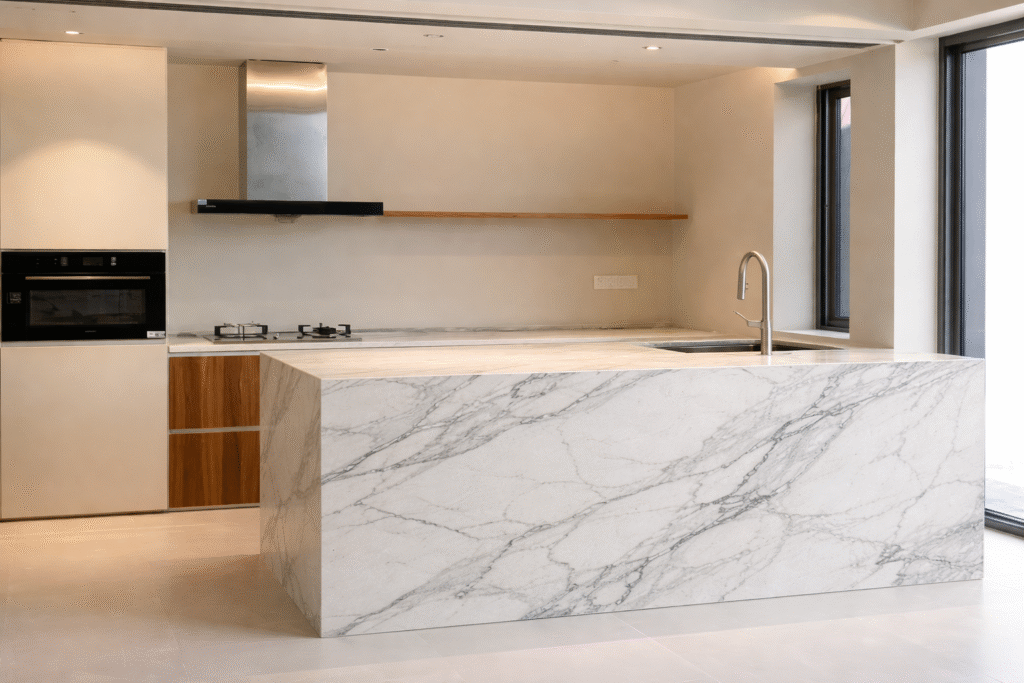
A Trusted Producer of Sintered Stone
Duolong Trade manufactures sintered stone slabs and panels for residential interior applications and commercial projects that require a refined stone appearance with controlled quality and repeatable project results. Our customers include building material wholesalers, regional distributors, importers, kitchen and bath retailers, stone fabricators, contractors, and project buyers who need a surface material that supports efficient fabrication, reliable supply, and consistent visual outcomes across single-property projects and multi-location developments.
Sintered stone is commonly specified for kitchen countertops, bathroom vanities, feature walls, fireplace surrounds, wall cladding, tabletops, retail interiors, hotel bathrooms, serviced apartments, and rental property upgrades—especially in projects where durability, stain resistance, dimensional stability, and consistent appearance are important for long-term use and repeat procurement.
Our sintered stone products are manufactured using controlled production processes and mineral-based formulations designed to deliver stable color, surface definition, and performance suitable for interior architectural surfaces. The slabs are produced to support consistent tone, pattern balance, and surface finish, helping distributors, fabricators, and project buyers achieve predictable results across different rooms, units, and reorder cycles.
We supply multiple surface finishes and project-friendly slab formats, including standard large-format slabs and cut-to-size programs for partners who want to improve fabrication efficiency, reduce material waste, and simplify installation planning. For countertop and wall cladding projects, buyers typically focus on practical details such as slab flatness, thickness tolerance, edge processing suitability, recommended fabrication methods, and compatibility with common adhesives, substrates, and support systems.
Products
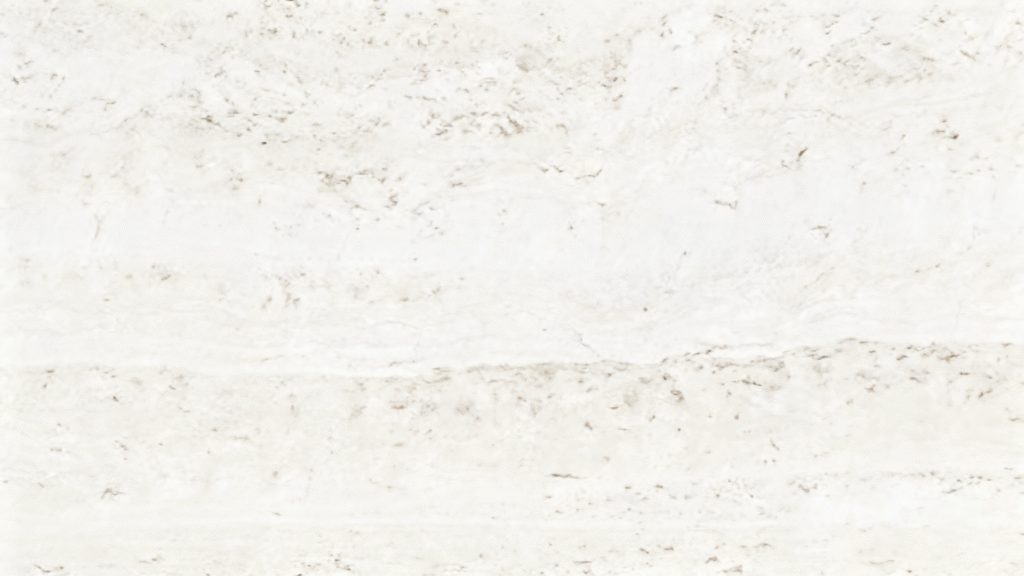
Calacatta White Sintered Stone Slab Surface Finish
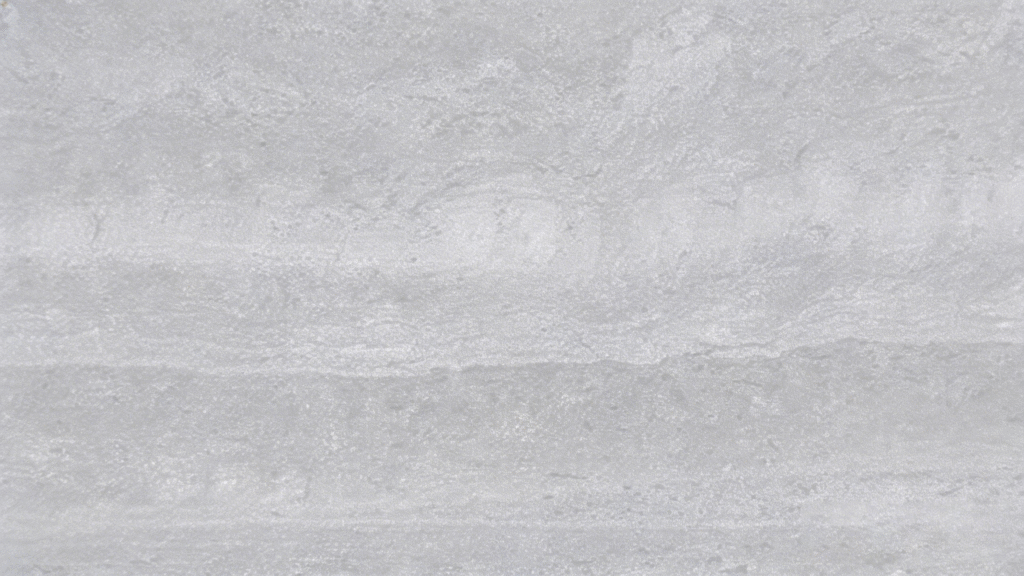
Grey Concrete Look Sintered Stone Panel Design
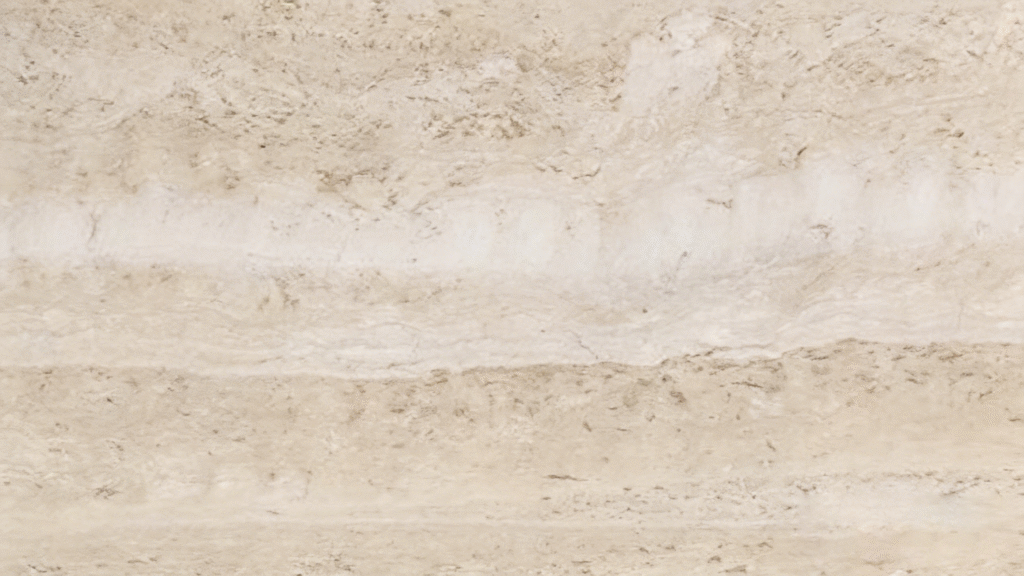
Travertine Beige Sintered Stone Wall Cladding Panel
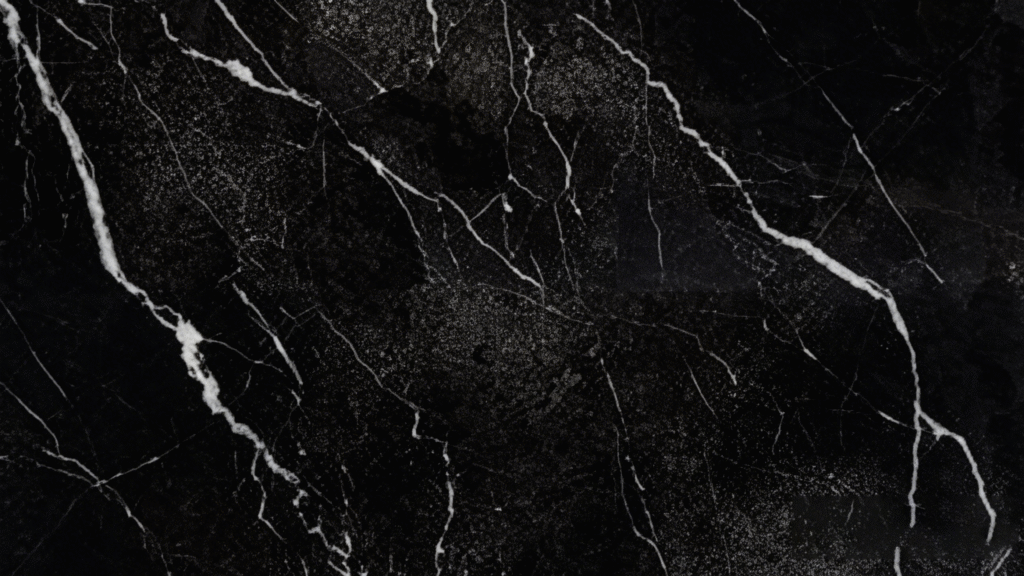
Black Marble Sintered Stone Slab Polished Finish
Our Advantages


Your Trusted Sintered Stone Manufacturer For Projects
Duolong Trade manufactures sintered stone slabs and panels for interior architecture furniture surfaces and commercial environments where a refined stone appearance and dependable material performance are required. These surfaces are widely used for kitchen countertops bathroom vanities wall cladding feature walls tabletops retail interiors hospitality spaces and residential upgrade projects where visual consistency and durability are important across different rooms or project phases. We offer a range of colors patterns and finishes from natural stone looks to marble inspired designs and contemporary concrete styles so designers fabricators and buyers can coordinate materials with cabinetry flooring lighting and brand environments.
Manufactured For Consistent Quality And Project Supply
Our sintered stone production is organized around consistency and usability in fabrication and installation. Typical process controls include raw material selection surface and color referencing to approved samples thickness and flatness calibration and protective packing for international transport and jobsite handling. For project partners and distributors we can support planning through slab allocation batch tracking and optional cut to size preparation helping fabricators improve workflow efficiency reduce cutting waste and keep installation schedules predictable.
What Buyers Expect From Sintered Stone Supply
When selecting sintered stone for projects buyers and fabricators usually focus on several practical considerations such as consistent color tone pattern balance and surface finish within the same shipment suitability for interior surfaces that experience daily use cleaning and regular contact and reliable supply for repeat orders so later project phases can match earlier installations as closely as possible. To support repeat procurement and multi phase projects we maintain production references and batch documentation so future orders can follow the same visual and technical standards.
Designed For Clean Details And Professional Finish
Many sintered stone applications depend on how edges corners and transitions are handled. We can recommend practical approaches for edge finishing corner solutions joint layout and transitions between different materials so the finished project looks intentional and well resolved rather than pieced together. We also provide clear guidance for handling cutting fabrication and installation preparation so fabricators and installers can plan layouts manage seams and complete projects with a clean and consistent final appearance.
why choose us
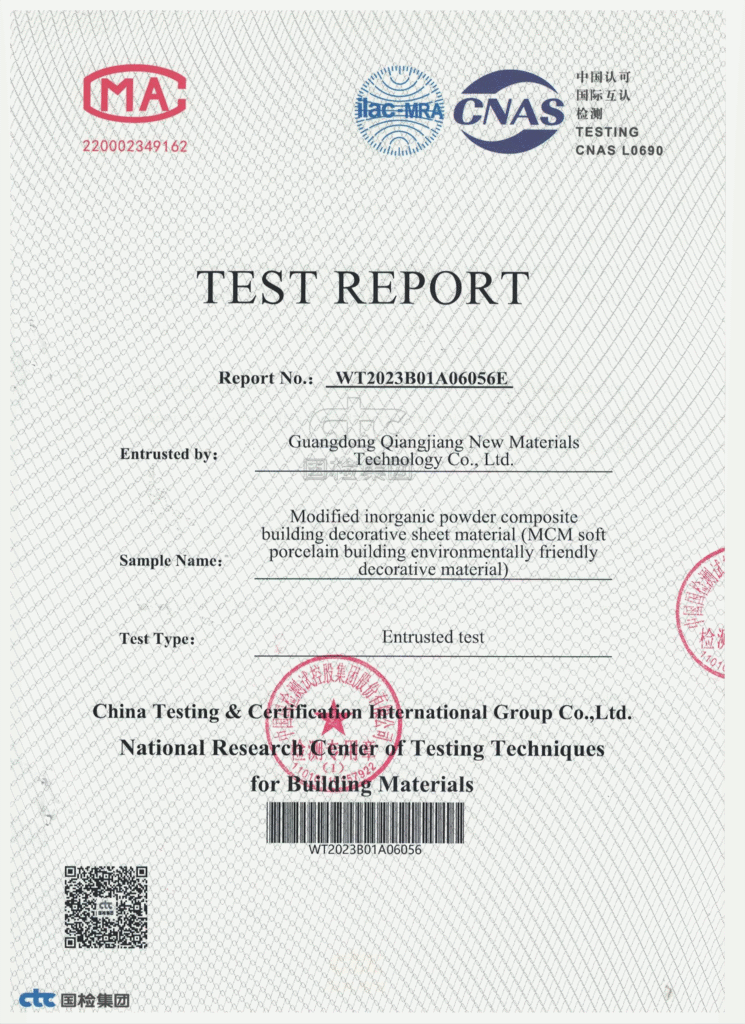
Sintered Stone Surfaces For Modern Interior Projects
Duolong sintered stone surfaces are developed for interior projects that require a clean stone appearance with reliable material performance and repeatable visual results. These surfaces are widely used for kitchen countertops bathroom vanities wall cladding feature walls tabletops retail interiors hospitality environments and residential upgrades where design consistency and durability are required across multiple rooms or project phases.
Developed For Interior Use And Daily Maintenance
Interior surfaces must remain stable in appearance under daily use and regular cleaning. Sintered stone is produced to provide a consistent surface tone controlled pattern distribution and a finish that is suitable for routine interior environments. With proper substrate preparation edge finishing and joint planning the installed surface can maintain a clean and professional look in long term use depending on the installation method and site conditions.
Installation Planning And Fabrication Efficiency
Large format sintered stone can help simplify layout planning and reduce unnecessary joints compared with smaller format materials. When wall or cabinet structures meet flatness and support requirements fabricators and installers can plan layouts more efficiently control seam placement and reduce adjustment work during installation. This approach is useful for residential projects retail fit outs hospitality interiors and refurbishment programs where installation time and workflow efficiency are important.
Surface Styles That Support Design Direction
We provide a range of surface styles including marble inspired patterns natural stone looks concrete styles and neutral contemporary tones. Different pattern movements surface finishes and color ranges allow designers and buyers to coordinate sintered stone with wood cabinetry metal elements flooring materials and lighting conditions so the final space appears balanced and intentional.
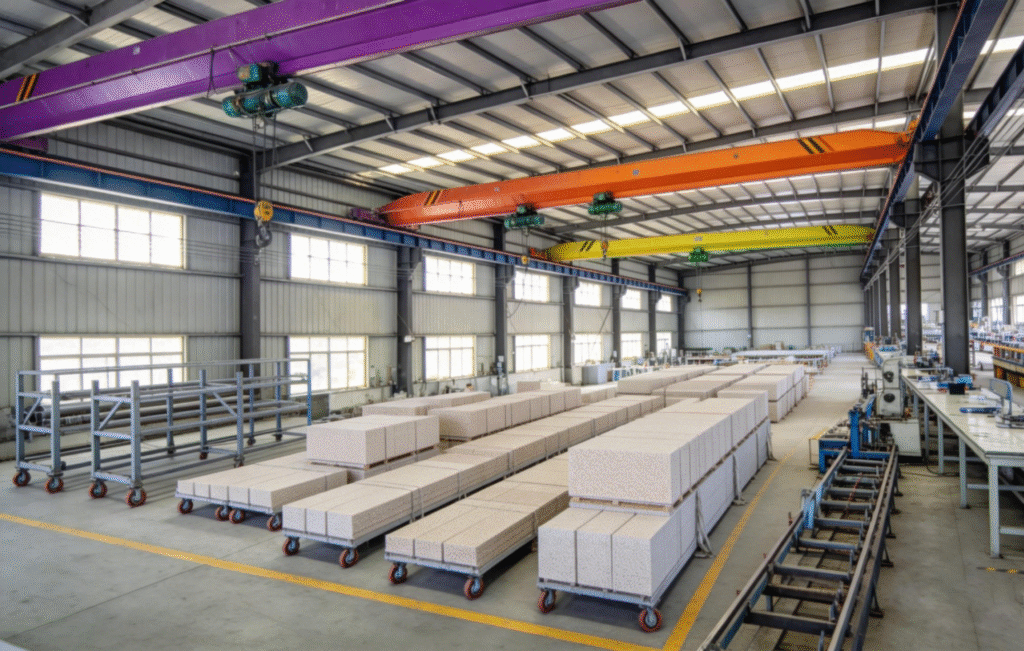
Slab Sizes Thickness Options And Supply Programs
Sintered stone can be supplied in common slab sizes and thickness ranges used for countertops wall cladding and furniture surfaces. Size and thickness selection can be matched to fabrication methods structural support conditions and installation preferences. Packaging and loading plans are arranged to support transport jobsite handling and project sequencing and compatible edge solutions can be prepared for cleaner finishes.
Sampling Mockups And Project Planning Support
Samples are available to help confirm color tone surface texture and overall visual effect under project lighting conditions. Where required mockup planning and layout guidance can be provided including slab orientation seam planning edge detailing and cutout coordination for sinks outlets fixtures or fittings so installation can proceed with fewer unexpected adjustments.
Production Control Export Packing And Repeat Orders
Production is managed with process checks focused on slab dimensions surface finish and appearance consistency. Export packing is designed to protect slab edges and surfaces during transportation. For repeat orders and multi phase projects production can be arranged according to approved samples and batch references so later shipments remain visually consistent with earlier deliveries and project standards.
FAQ
What is sintered stone and how is it different from quartz or granite
Sintered stone is made from natural minerals that are pressed and fired at very high temperatures to create a dense and durable surface. Compared with quartz it is more heat resistant and UV stable and compared with natural granite it has more consistent color and pattern with lower maintenance.
Can sintered stone be used for kitchen countertops
Yes sintered stone is commonly used for kitchen countertops because it is heat resistant scratch resistant and stain resistant. It is suitable for everyday cooking environments and can handle hot cookware when used correctly.
Is sintered stone good for bathroom walls and vanity tops
Yes sintered stone is suitable for bathroom walls vanity tops and wet area walls because it has very low water absorption and is easy to clean. Proper installation and sealing of joints are recommended for long term performance.
Can I use sintered stone for a fireplace wall
Yes sintered stone is often used for fireplace feature walls because it is resistant to heat and does not easily discolor. It is important to follow installation guidelines and keep a safe distance from direct flame exposure.
Is sintered stone easy to clean and maintain
Sintered stone is easy to maintain. Most daily cleaning can be done with water and a mild household cleaner. It does not require regular sealing like natural stone.
Do sintered stone slabs have color variation
Sintered stone is designed to have controlled patterns and consistent color, but slabs with marble look designs may still have natural style variation between pieces. For large projects it is recommended to review slabs before installation and plan the layout.
Can sintered stone be used for outdoor areas
Some sintered stone surfaces are suitable for outdoor walls and outdoor kitchens because they are UV resistant and weather resistant. The correct thickness and installation method should be selected depending on the project location.
Do you provide samples before ordering
Yes we provide samples so customers can check the color texture and surface finish before placing a full order. This helps confirm the material is suitable for your project and lighting conditions.
What thickness should I choose for my project
Different thicknesses are used for different applications. Thin slabs are usually used for wall cladding while thicker slabs are used for countertops tabletops and furniture surfaces. We can recommend a suitable thickness based on your application.
How is sintered stone shipped and what if there is damage
Sintered stone is packed in reinforced export crates to reduce the risk of damage during shipping. If damage happens during transport, please contact us with photos and we will assist with a solution according to the order and shipping terms.
Transaction Process

Inquiry and requirement confirmation
Confirm application (interior/exterior), sizes, finishes/colors, quantity, destination, and any accessory needs. Align on technical requirements such as substrate condition, climate exposure, and curved-surface needs.
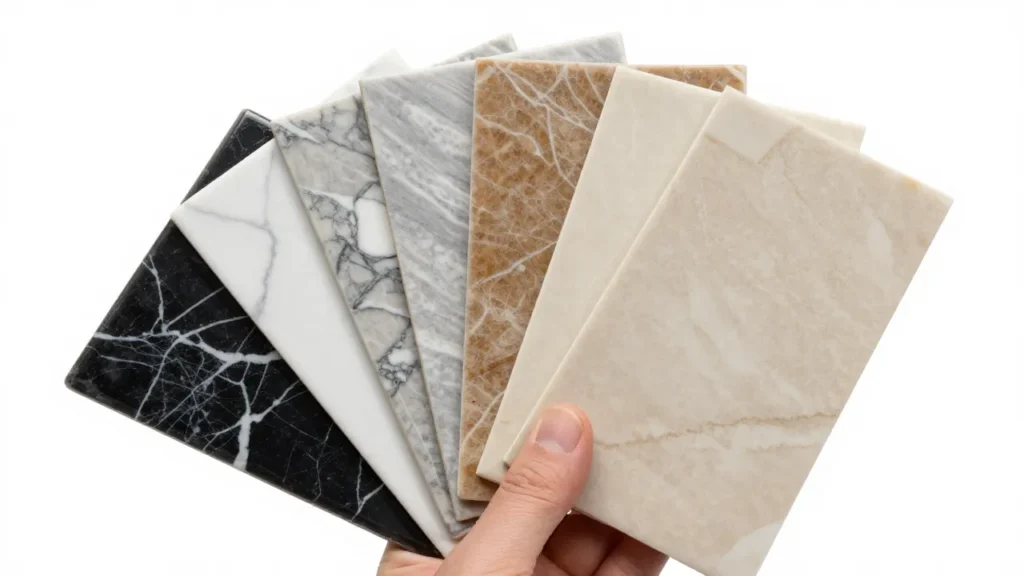
Quotation, samples, and approval
Issue a formal quotation with product options, lead time, and Incoterms. Provide samples for color/texture confirmation. Finalize specifications based on approved samples as the acceptance benchmark.

Order placement, payment, and production
Confirm the order via Proforma Invoice (PI), arrange the agreed payment, and schedule production. Maintain batch control and quality inspection during manufacturing and pre-shipment packing checks.
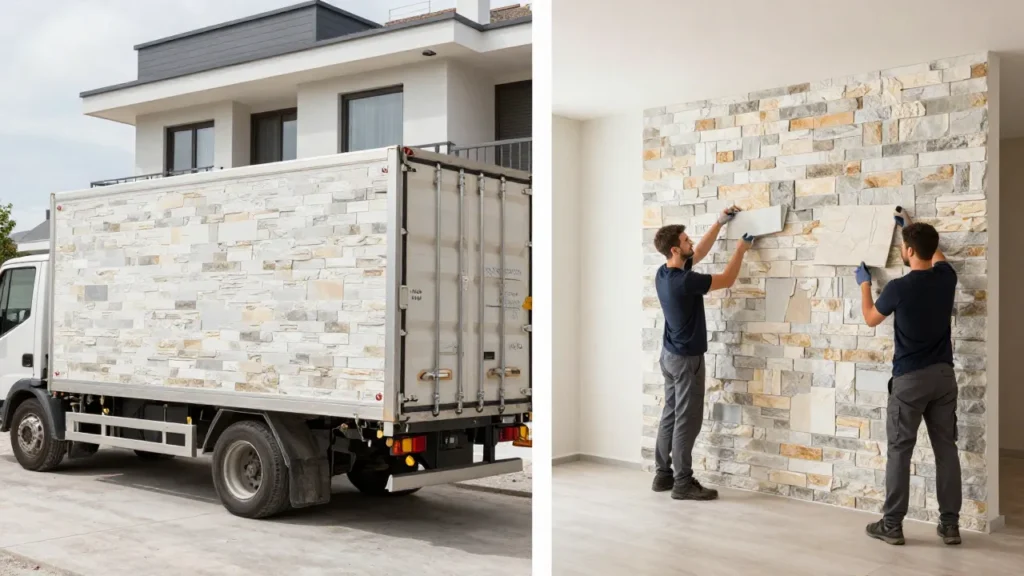
Shipment, documents, and after-sales support
Arrange shipping (FCL/LCL/air), provide export documents (invoice, packing list, B/L or AWB, and other required certificates), support customs clearance coordination, and handle receiving inspection, claims, replacements, and installation support.
Table of Contents
Why Homeowners Choose Sintered Stone For Modern Renovation Projects
When planning a home renovation, many homeowners look for materials that are durable, easy to maintain, and visually appealing. Sintered stone has become a popular choice in modern renovation projects because it combines the appearance of natural stone with advanced manufacturing technology that improves consistency and performance.
One of the main reasons homeowners choose sintered stone is durability. Sintered stone is made from natural minerals that are compressed and fired at high temperatures, creating a dense surface that is resistant to scratches, stains, and heat. This makes it suitable for kitchens, bathrooms, and high-traffic areas where surfaces must handle daily use.
Another advantage is low maintenance. Unlike some natural stones, sintered stone does not require regular sealing. Most surfaces can be cleaned with water and mild household cleaners, making it a practical choice for busy households. For homeowners who want a clean and modern look without complicated maintenance routines, sintered stone is a reliable option.
Sintered stone is also available in large slab sizes, which helps reduce visible joints. Fewer joints create a cleaner and more continuous surface, especially for kitchen countertops, shower walls, and feature walls. This is one reason why many designers prefer sintered stone for modern interiors.
In renovation projects, installation time is also important. Large format slabs can reduce installation time compared to small tiles, and the consistent thickness of sintered stone helps installers work more efficiently.
For homeowners who want the look of marble, concrete, or natural stone but prefer a more predictable material, sintered stone offers a balance between design and performance. This is why it is increasingly used in modern homes, apartments, and renovation projects.
In addition, sintered stone is often chosen for projects where long-term value is important. Because the material is resistant to wear and fading, it can maintain its appearance for many years without major maintenance. For homeowners who plan to live in their home for a long time, choosing a durable surface material can reduce future renovation costs and maintenance work.
Sintered Stone Countertops A Practical Alternative To Natural Stone
Kitchen countertops are one of the most important surfaces in a home, and choosing the right material can affect both daily use and long-term maintenance. While natural stone such as granite and marble has been used for many years, sintered stone has become a practical alternative for modern kitchens.
One of the biggest differences between sintered stone and natural stone is consistency. Natural stone is cut from quarries, and each slab can vary in color and pattern. Sintered stone, on the other hand, is manufactured to provide more consistent color and pattern control. This makes it easier to match slabs for large countertops or kitchen islands.
Heat resistance is another important factor. Sintered stone is produced at very high temperatures, which makes it highly resistant to heat. In normal kitchen use, hot pots and pans will not easily damage the surface. This makes sintered stone suitable for cooking environments.
Stain resistance is also important for kitchen countertops. Because sintered stone has very low porosity, it does not absorb liquids easily. This helps prevent common kitchen stains from coffee, wine, oil, or sauce.
From a design perspective, sintered stone can be made to look like marble, concrete, limestone, or other natural materials. This allows homeowners to achieve different design styles while using a material that is easier to maintain.
For many homeowners, sintered stone provides a balance between appearance, durability, and maintenance, making it a practical alternative to natural stone countertops.
Another advantage is that sintered stone slabs are available in different thickness options, which allows designers to create different edge profiles and countertop styles. This flexibility makes sintered stone suitable for both modern kitchens and more traditional interior designs.
Using Sintered Stone For Bathroom Walls And Vanity Tops
Bathrooms require materials that can handle moisture, cleaning products, and daily use. Sintered stone is often used in bathrooms because it has very low water absorption and is easy to clean.
One of the main advantages of using sintered stone in bathrooms is that large slabs can be used for walls. Large wall panels reduce the number of joints, which makes the wall easier to clean and gives the bathroom a more modern appearance.
Sintered stone is also commonly used for vanity tops because it is resistant to water and stains from common bathroom products. With proper installation and sealed joints, sintered stone surfaces can perform well in bathroom environments for many years.
Another benefit is design flexibility. Some homeowners prefer marble-look bathrooms, while others prefer concrete-look or natural stone textures. Sintered stone can provide these looks while maintaining a consistent surface.
For renovation projects, sintered stone can sometimes be installed over existing surfaces, depending on the structure and installation method. This can help reduce renovation time.
Because bathrooms are used every day, choosing a material that is both durable and easy to maintain is important. Sintered stone provides a practical solution for modern bathroom design.
In addition, large slab walls can make small bathrooms look bigger because fewer joints create a more continuous visual effect. This is one reason why many designers use large format materials in modern bathroom design.
Large Format Wall Panels For Feature Walls And Fireplace Walls
Feature walls are often used to create a focal point in a room. Common locations include living room TV walls, fireplace walls, entry walls, and bedroom accent walls. Sintered stone is often used for these areas because large slabs create a continuous surface with fewer joints.
Compared to paint or wallpaper, stone surfaces add texture and depth to a wall. When lighting is installed above or beside the wall, the texture and pattern of the stone become more visible, creating a stronger visual effect.
Fireplace walls are another common application. Because sintered stone is heat resistant, it can be used around fireplaces when installed correctly and according to safety guidelines.
Feature walls are not only used in homes but also in commercial spaces such as hotel lobbies, retail stores, and office reception areas. In these spaces, large stone walls help create a strong visual impression.
Using large format panels instead of small tiles can also reduce installation time and create a cleaner design. This is why many designers choose large sintered stone slabs for feature walls.
Another advantage of large panels is that they help reduce visual clutter. With fewer seams and joints, the wall looks more like a single stone surface, which creates a more high-end and architectural appearance.
Sintered Stone Table Tops And Furniture Surfaces
In addition to countertops and walls, sintered stone is also used for furniture surfaces such as dining tables, coffee tables, desks, and cabinet tops.
One reason sintered stone is used for furniture is scratch resistance. Table surfaces are used daily, and a durable material helps reduce visible wear over time.
Heat resistance is also useful for dining tables because hot dishes can be placed on the surface without easily damaging the material.
Another advantage is design flexibility. Sintered stone table tops are available in many colors and patterns, which allows designers to match tables with interior design styles.
Because sintered stone slabs are relatively thin compared to traditional stone, they can be combined with metal or wood table bases to create modern furniture designs.
For homeowners who want furniture that is both durable and visually consistent with kitchen countertops or wall materials, sintered stone is a practical choice.
Sintered stone furniture is also popular in commercial spaces such as cafes, restaurants, and offices because the surface is durable and easy to maintain even with frequent use.
Comparing Sintered Stone With Porcelain Tile And Quartz
When choosing surface materials, many people compare sintered stone with porcelain tile and quartz. Each material has its own advantages and suitable applications.
Porcelain tile is often used for floors and walls because it is durable and cost effective. However, tiles are usually smaller, which means more joints. Sintered stone slabs are larger, which creates a more continuous surface.
Quartz is commonly used for kitchen countertops because it is durable and consistent in color. However, quartz is not as heat resistant as sintered stone. For kitchens where heat resistance is important, sintered stone may be a better option.
Sintered stone combines some advantages of both materials. It can be used for countertops, walls, and furniture surfaces, and it offers high heat resistance and low water absorption.
The choice between these materials usually depends on the project budget, design preference, and application area.
Another factor is outdoor use. Sintered stone is generally more suitable for outdoor environments than quartz because it is more resistant to UV exposure and temperature changes.
Sintered Stone For Rental Properties And Renovation Projects
Rental properties and renovation projects often require materials that are durable, easy to maintain, and visually appealing. Sintered stone is often used in these projects because it can improve the appearance of a space while remaining practical for long-term use.
In rental properties, materials must handle different tenants and frequent cleaning. Durable surfaces help reduce maintenance costs over time.
In renovation projects, installation time is also important. Large slabs can sometimes reduce installation time compared to smaller materials.
Because sintered stone is available in many designs, property owners can choose a style that looks modern and attractive to future tenants or buyers.
For property upgrades, choosing a material that balances cost, durability, and appearance is important. Sintered stone is one of the materials that can meet these requirements.
For landlords and property managers, using durable materials can also reduce the need for frequent repairs and repainting, which helps reduce long-term maintenance costs.
Outdoor Kitchens And Exterior Wall Applications
Sintered stone can also be used in some outdoor applications such as outdoor kitchens, exterior walls, and garden feature walls. Because sintered stone is resistant to UV exposure and temperature changes, it can perform well in outdoor environments when installed correctly.
Outdoor kitchens often use sintered stone for countertops because the material can handle sunlight, heat, and occasional moisture.
Exterior walls may use sintered stone panels to create a modern facade appearance. These panels can be combined with other materials such as wood, metal, or painted walls to create a balanced exterior design.
Proper installation is important for outdoor projects, including waterproofing, structural support, and expansion joints.
For homeowners who want to create outdoor living spaces, sintered stone can be a suitable material for both functional and decorative surfaces.
Outdoor projects often require slightly thicker slabs or different installation systems, so it is important to choose the correct specification based on the environment and installation method.