
Your Trusted Manufacturer Of Engineered Stone Veneers
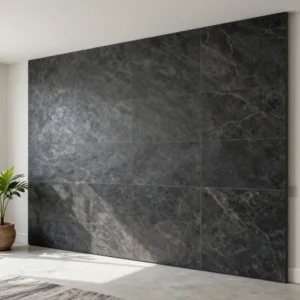
A Trusted Producer of Engineered Stone Veneers
Duolong Trade manufactures engineered stone veneers for residential interior upgrades and commercial fit-outs that demand a refined stone aesthetic with controlled, repeatable results for project delivery. Our customers include building material wholesalers, regional distributors, importers, home improvement retailers, shopfitting suppliers, and contractors who need a decorative veneer solution that supports efficient installation planning, dependable supply, and consistent visual impact across single-room remodels and multi-location rollouts. Engineered stone veneers are commonly specified for TV feature walls, living room accent walls, fireplace surrounds, foyer/entry statements, retail and restaurant interiors, hotel lobbies and corridors, serviced apartments, rental property refresh projects, and light commercial wall upgrades—especially where a premium look, predictable finish, and standardized procurement matter.
Our engineered stone veneers are produced with project-oriented formulation and process control (configured by application requirement) and a stone-inspired surface designed to deliver a modern, architectural finish with practical day-to-day maintenance. The finished veneers are intended to provide stable color tone, texture definition, and sheen control, supporting repeatable outcomes for distributors and project buyers who must achieve consistent results across multiple rooms, phases, and reorder cycles. We supply multiple surface options and project-friendly formats, including standard veneer sizes and cut-to-size programs for partners seeking to streamline installation workflows and reduce on-site cutting and waste.
For engineered stone veneer specifications, buyers typically focus on practical details: dimensional consistency and edge quality, recommended corner/edge finishing approaches (returns, trims, miters, or joint detailing), compatibility with commonly used adhesives, mortars, and sealants for typical substrates, and how the surface performs under routine cleaning and daily contact in busy interiors. Consistency is also a core requirement—both for color matching across units and for repeat procurement. We run routine production checks and maintain batch records to support reorders and multi-phase projects with better continuity and fewer site-level surprises.
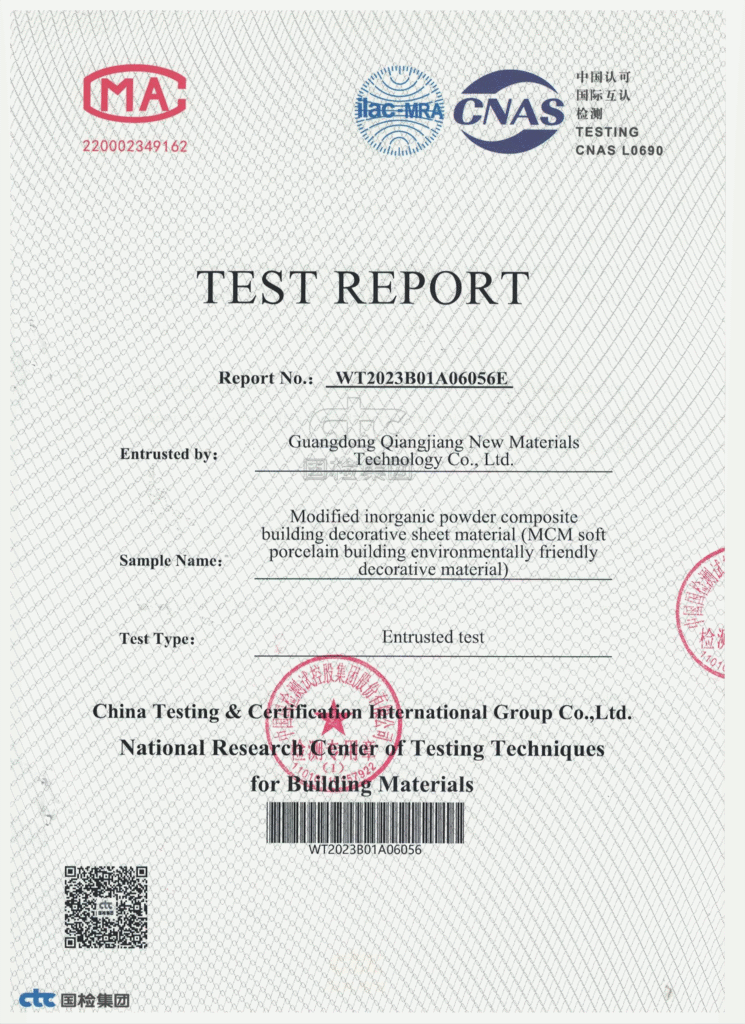
When your team needs documentation for approvals and procurement, we can provide an export documentation package, including product datasheets, packing lists, and available third-party test/report files depending on the exact veneer configuration and destination requirements. We also provide straightforward English installation notes and handling guidance, helping your sales and technical teams respond efficiently to contractor questions about layout planning, cutting, fixing, joint treatment, and finishing.
We support OEM/ODM programs for distributors, including size customization, surface selection, sampling, and private-label packaging. Export packing is planned around container loading with protective measures to help reduce transit risk and jobsite damage. If you are sourcing engineered stone veneers for interior decorative wall cladding, Duolong Trade can recommend suitable options by application, arrange samples for review, and confirm lead times based on your order volume and shipping schedule.
Products
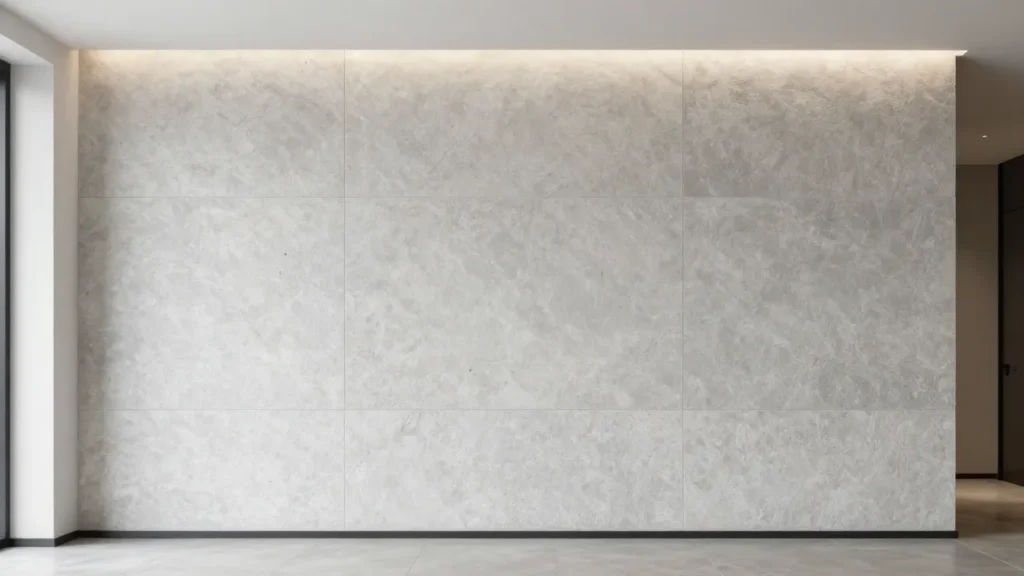
Light Grey Modern Interior Stone Veneer
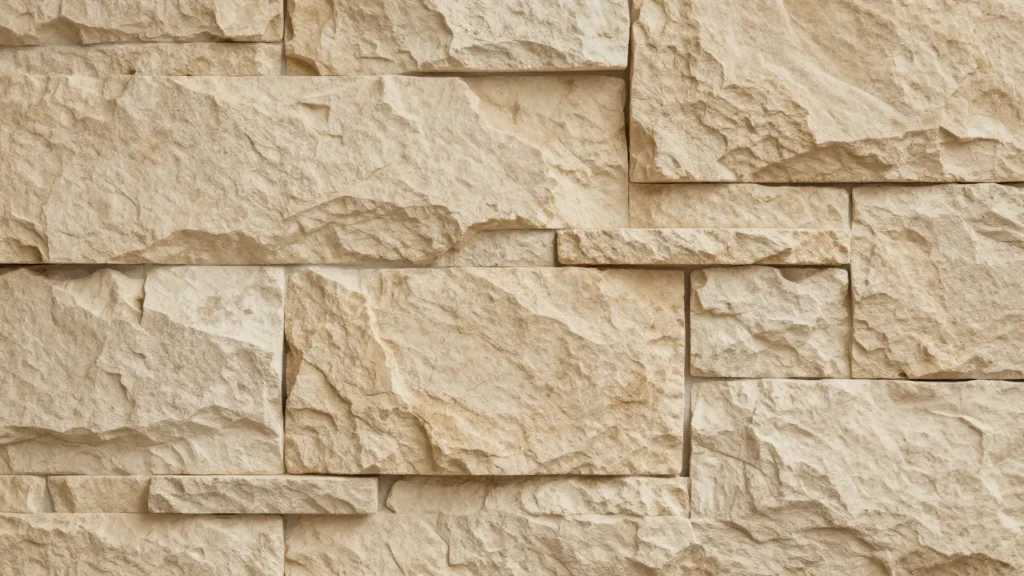
Warm Beige Rustic Fireplace Stone Veneer
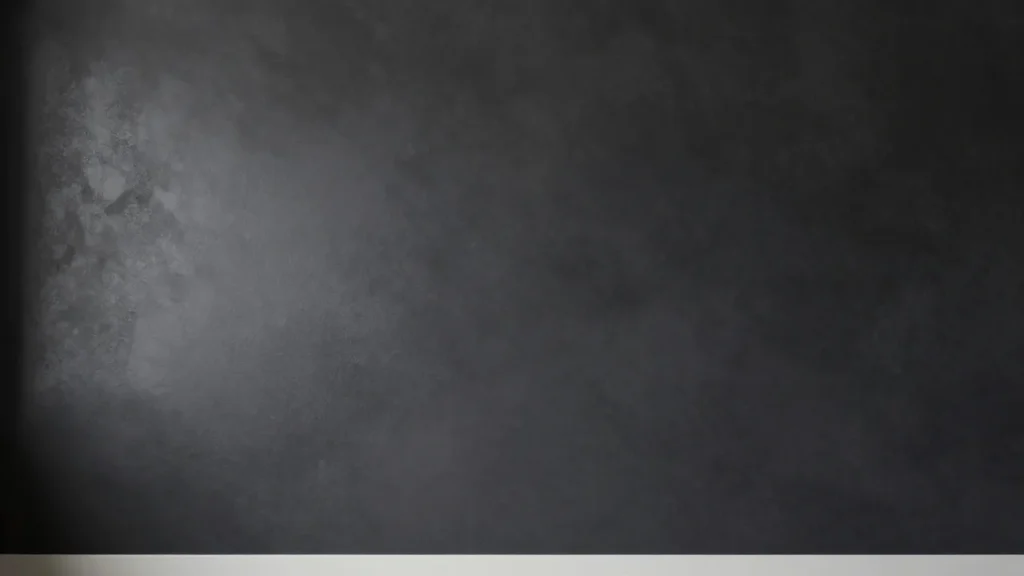
Dark Charcoal Luxurious Accent Wall Veneer
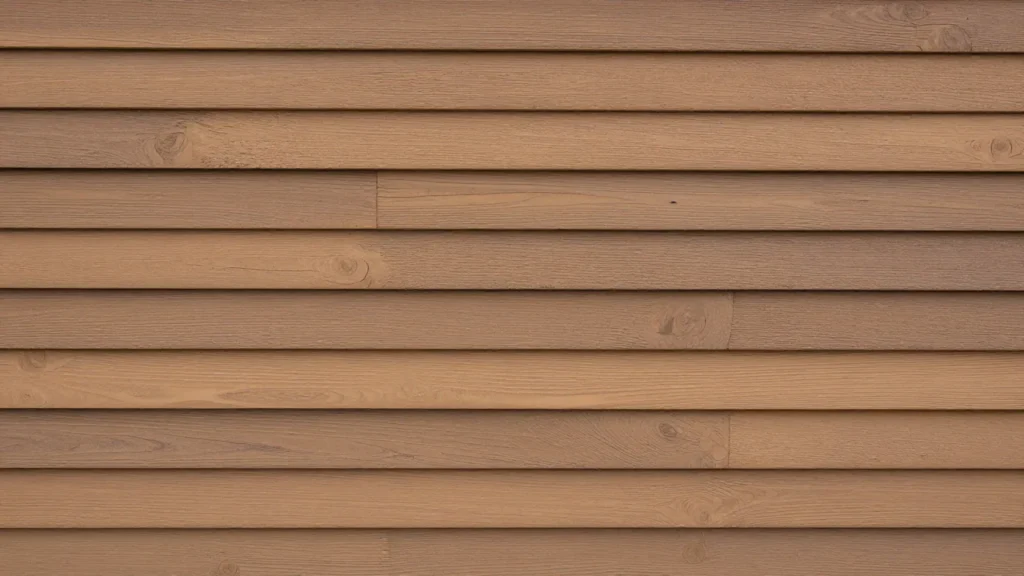
Multi Tone Brown Outdoor Ledger Veneer
Our Advantages


Architectural stone veneer for interiors and feature zones
Duolong Trade supplies engineered stone veneers for projects that want the character of stone with a more controlled specification and repeatable finish. These veneers are frequently used on TV walls, fireplaces, entry statements, reception backdrops, retail focal areas, restaurants, hotel public spaces, and upgrade programs where appearance must stay consistent across rooms or locations. We offer a range of tones and profiles—from clean contemporary faces to more rugged, split-face textures—so designers and buyers can match brand style, lighting, and surrounding materials.
Manufactured for predictable installs and consistent results
We build our veneer programs around jobsite realities, not just product output. Typical controls include raw-material verification, color and texture referencing against approved standards, dimensional calibration, edge integrity checks, and protective packing to reduce chipping and rub marks in transit. Where partners need it, we can support planning by set allocation, pre-sorted cartons, and cut-to-size preparation to help crews move faster and keep layouts organized.
What specifiers look for: match, performance, continuity
Engineered stone veneer decisions usually come down to a few measurable expectations:
visual uniformity within a shipment, including tone balance, surface texture, and sheen behavior under different lighting;
suitability for everyday interior environments, including resistance to routine contact and typical cleaning practices;
procurement continuity, so later phases can be supplied to closely match earlier installations.
To support phased rollouts, we maintain production records and batch references aimed at reducing noticeable variation between repeat orders.
Detail-friendly finishing for a cleaner architectural look
Veneer projects often succeed or fail at the details—corners, edges, returns, and transition lines. We can recommend practical finishing approaches such as corner solutions, trim coordination, and joint planning to keep the final surface intentional rather than patchwork. For installers, we provide straightforward guidance on layout sequencing, cutting considerations, fixing methods, and finishing checks to help achieve a tidy, professional outcome.
why choose us
Engineered Stone Veneers for Refined Feature Surfaces
Duolong engineered stone veneers help create a premium stone-forward finish without relying on bulky blocks or highly variable natural pieces. They are commonly specified for statement walls, fireplace surrounds, reception areas, elevator lobbies, restaurant interiors, retail brand walls, and model-home accents—especially when the project needs a controlled look that can be repeated across multiple rooms or sites.
Built for stable interiors and practical upkeep
Many commercial and residential interiors require surfaces that stay presentable under routine contact and cleaning. Engineered stone veneers are developed for consistent appearance and straightforward care in typical indoor environments. With correct substrate preparation and finishing at edges, corners, and transitions, the installed surface can remain crisp and easy to maintain in day-to-day operations (final suitability depends on the specific veneer system and site conditions).
Installation efficiency with layout-friendly units
Compared with small piece-by-piece finishes, veneer systems can simplify the workflow by reducing layout uncertainty and helping crews maintain alignment. When walls meet flatness and adhesion requirements, installers can work with predictable module planning, keep cuts intentional, and reduce rework—useful for tenant improvements, phased refurbishments, and time-sensitive fit-outs where downtime must be limited.
Looks and relief options that support design direction
We offer multiple aesthetic routes, such as contemporary smooth faces, split-face textures, ledger-inspired profiles, and stone blends in different color families (availability varies by series). Variations in relief depth and tone range allow teams to coordinate the veneer with lighting, wood tones, metals, and flooring so the finish reads cohesive rather than overly busy.
Sizes, thickness ranges, and supply configurations
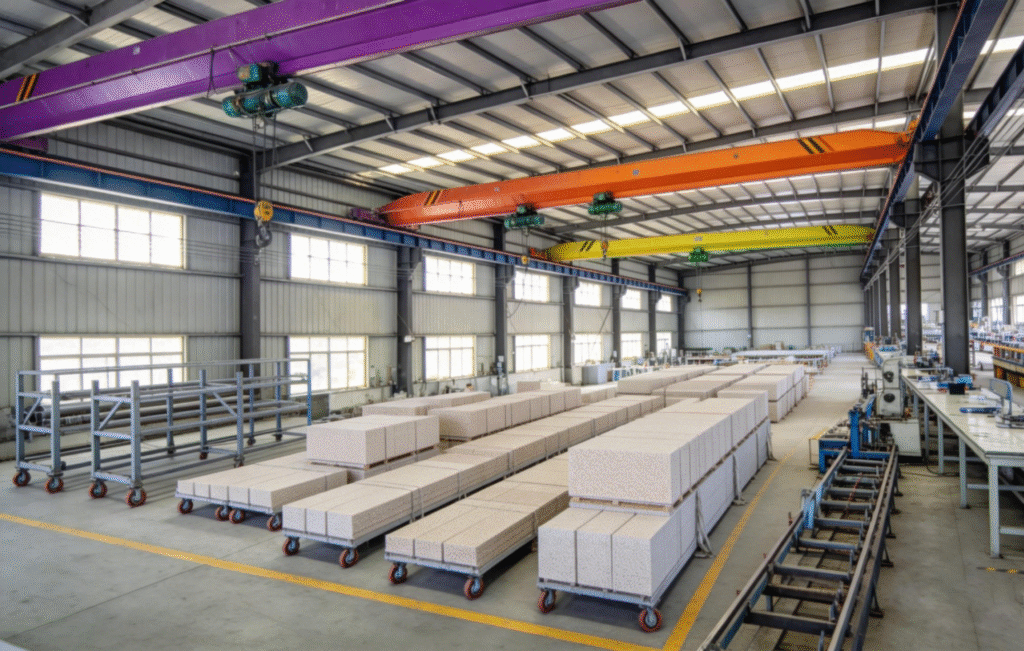
Engineered stone veneers can be supplied in common formats used for wall surfacing programs, with size and thickness options selected to match your detailing approach and local installation preferences. Packaging can be organized to support site handling and sequencing. Where required, compatible corner solutions and transition components can be provided to help achieve cleaner terminations and more intentional edges.
Sampling, mockups, and installation planning support
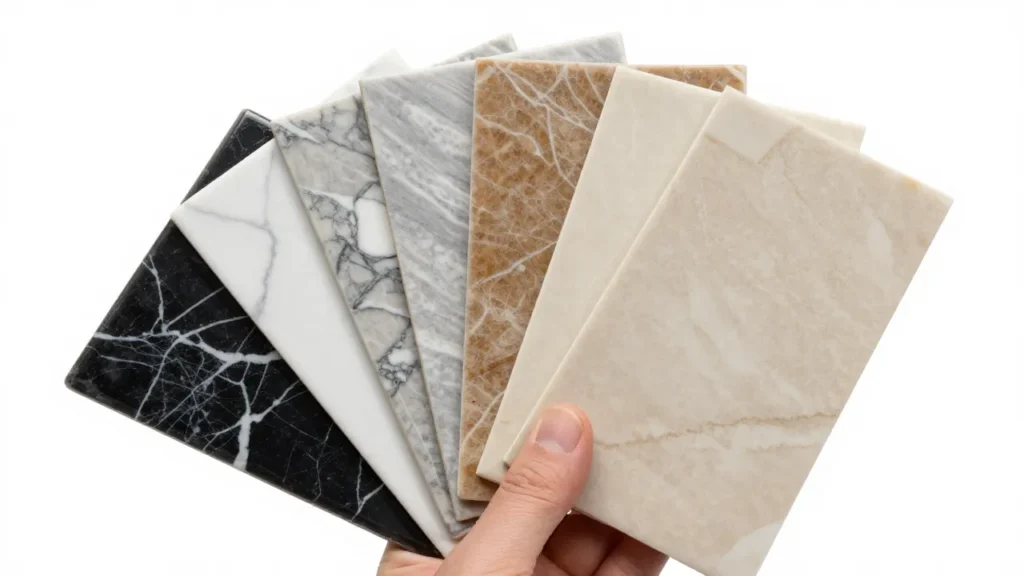
Samples are available to confirm color balance, texture character, and how the surface reads under project lighting. If needed, we can also support mockup planning and share practical guidance on panel/stone orientation, joint strategy, corner detailing, and cutout coordination around outlets, signage, or wall fixtures to reduce surprises during installation.
Process control, export packaging, and reorder alignment
Production is managed with checkpoints focused on dimensions, surface quality, and appearance consistency. Export packing is designed to protect edges and faces during transit. For multi-stage projects and repeat purchases, we track batches and produce against approved references to keep subsequent shipments closely aligned with the original standard, and we can coordinate third-party testing or submittal documentation when destination requirements apply.
FAQ
What are engineered stone veneers, and how are they different from natural stone?
Engineered stone veneers are manufactured stone-facing products designed to deliver a stone-like appearance with more controlled color, texture, and sizing than many natural stones. Compared with natural stone, they are typically easier to specify for consistent results and repeatable looks across multiple walls or rooms. They are primarily used as an architectural finish rather than a structural material.
Where can I use engineered stone veneers at home?
Common residential applications include TV feature walls, living-room accents, entryway statement walls, dining backdrops, stairwell walls, fireplace surrounds, and hallway focal points. If you plan to use them in high-moisture or high-heat locations, confirm suitability based on the specific product system and installation method.
Will it look “fake” up close?
A high-quality engineered stone veneer should look convincing both near and far, thanks to layered color, realistic relief depth, and well-designed edge details. Lighting plays a big role—especially side lighting—so it is best to review a physical sample under your home’s lighting before finalizing.
How do I clean it? Is it high maintenance?
In most interior wall applications, routine dusting and wiping with a soft cloth is sufficient. For marks or stains, use a mild, non-abrasive cleaner and test a small area first. Avoid harsh acids/alkalis and stiff brushes that may damage the surface finish.
Will there be color variation? What if I need more later?
Minor variation can happen, especially across different production batches, but engineered products are generally designed to be more consistent than many natural materials. For best results, purchase enough material upfront (including waste and a small spare quantity), and keep batch/lot information and a reference sample for future matching.
Is it DIY-friendly, or do I need a professional installer?
It depends on the format and the details of your wall. Simple, flat feature walls with minimal cuts may be DIY-able for experienced homeowners. If your project includes corners, returns, outlets/switch cutouts, fireplace detailing, or complex transitions, professional installation usually delivers cleaner results and fewer rework risks.
What does the wall substrate need to be like? Can it go over an old wall finish?
The substrate should be flat, sound, dry, and free from dust, oil, and loose paint. If the wall has cracking, hollow spots, moisture issues, or unevenness, it should be repaired and leveled first. Installing over tile or existing finishes may be possible in some cases, but it depends on the adhesive system and site conditions—testing a small area is recommended.
Is it durable enough for homes with kids or pets?
For typical interior use, engineered stone veneers can handle everyday contact and light scuffing, but they are not impact-proof. Corners, low walls in hallways, and areas where pets rub frequently are higher-risk zones. Good corner detailing and thoughtful placement help the wall stay looking sharp longer.
Can I use engineered stone veneers in bathrooms or kitchens?
Some installations can work in moisture-prone areas, but performance depends heavily on the product system, substrate waterproofing, joint/edge sealing, and ventilation. Dry zones and low-splash locations are generally safer than direct wet areas. Always confirm the product’s recommended applications and follow proper detailing practices.
How much should I order, and how much waste should I plan for?
Measure the net wall area (subtracting large doors/windows), then convert to coverage based on the veneer’s packaging or per-piece coverage. A typical allowance is 5%–10% for waste. If your design has many corners, cutouts, tight returns, or pattern/vein matching requirements, consider 10%–15% to be safe.
Transaction Process

Inquiry and requirement confirmation
Confirm application (interior/exterior), sizes, finishes/colors, quantity, destination, and any accessory needs. Align on technical requirements such as substrate condition, climate exposure, and curved-surface needs.
Quotation, samples, and approval
Issue a formal quotation with product options, lead time, and Incoterms. Provide samples for color/texture confirmation. Finalize specifications based on approved samples as the acceptance benchmark.

Order placement, payment, and production
Confirm the order via Proforma Invoice (PI), arrange the agreed payment, and schedule production. Maintain batch control and quality inspection during manufacturing and pre-shipment packing checks.
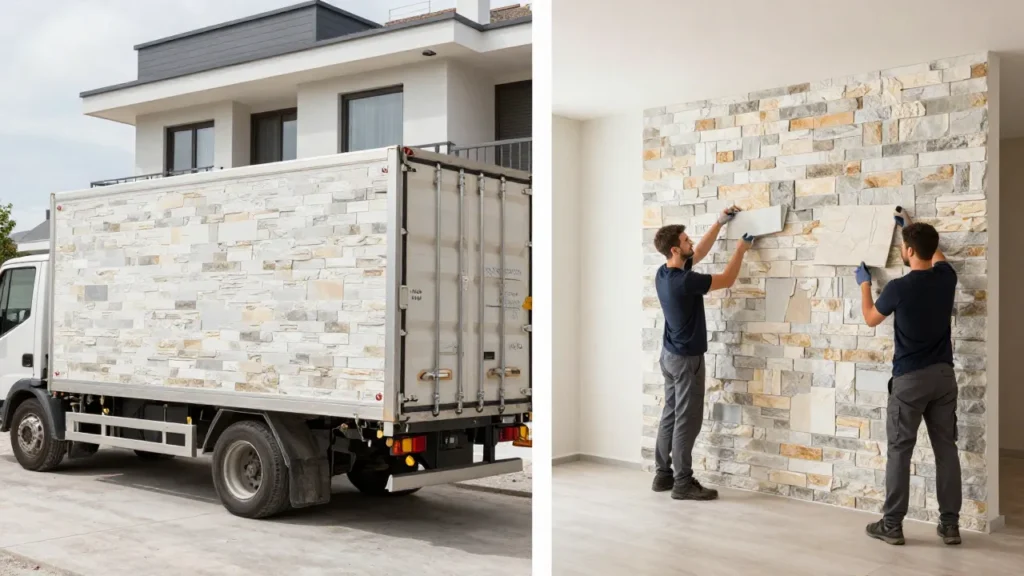
Shipment, documents, and after-sales support
Arrange shipping (FCL/LCL/air), provide export documents (invoice, packing list, B/L or AWB, and other required certificates), support customs clearance coordination, and handle receiving inspection, claims, replacements, and installation support.
Table of Contents
How Engineered Stone Veneers Improve Wall Design
Engineered stone veneers have become a popular wall solution in modern renovation and construction projects because they combine the appearance of natural stone with more predictable sizing and easier installation. For homeowners and designers, one of the biggest advantages is the ability to create a high-end wall appearance without the structural weight and installation complexity of traditional stone blocks.
In interior spaces, engineered stone veneers are often used for feature walls, fireplace surrounds, TV background walls, and entry walls. These areas benefit from texture and depth, which help create a focal point in the room. Compared to flat paint or wallpaper, stone veneer adds dimension and shadow, especially when lighting is installed from above or from the side.
In commercial spaces, engineered stone veneer is frequently used in retail stores, restaurants, cafes, hotel lobbies, and office reception areas. These environments require materials that not only look attractive but also hold up well to cleaning and daily wear. Stone veneer provides a balance between durability and design flexibility.
Another advantage is the consistency of engineered stone. Because the panels are manufactured, the thickness and size are more uniform than natural stone, which helps installation go faster and produces more consistent seams. This is especially important for large wall areas where uneven stone thickness would make installation more difficult.
Engineered stone veneers also work well in renovation projects because they are lighter than traditional stone. This makes transportation, handling, and installation easier, especially in apartments, townhouses, and remodel projects where structural load and access are concerns.
For many projects, engineered stone veneer is not just a decorative material but a design tool that helps transform plain walls into architectural features.
Interior Applications for Engineered Stone Wall Panels
Engineered stone wall panels are widely used in interior design because they can quickly change the look and feel of a space without major construction work. Many homeowners choose stone veneer panels when they want to upgrade a room but do not want a long renovation timeline.
One of the most common interior applications is the fireplace wall. A stone fireplace wall creates a natural focal point in a living room and adds texture that works well with wood, metal, and glass furniture. Engineered stone veneer panels make this upgrade easier because they are thinner and lighter than traditional stone, which reduces installation time.
Another popular use is the TV background wall. Many modern living rooms use a stone wall behind the television to create contrast and depth. The texture of the stone helps the wall look more interesting while still maintaining a clean and modern style.
Entry walls and hallway walls are also good locations for stone veneer. These areas experience more foot traffic and contact, so a durable wall surface is important. Stone veneer panels are easier to clean than painted walls and can help protect the wall from minor impacts.
In bedrooms, some designers use stone veneer for accent walls behind the bed. This creates a hotel-style design effect and adds a natural material element to the room.
Interior stone veneer is often chosen not only for its appearance but also because it can be installed faster than traditional stone construction. For homeowners who want a noticeable upgrade without a long renovation period, engineered stone panels are a practical solution.
Exterior Stone Veneer for Modern Home Facades
Engineered stone veneer is commonly used on exterior walls to improve the appearance of a building while providing a durable surface that can handle outdoor conditions. Many modern homes use stone veneer on the front facade, entrance area, garden walls, or outdoor living spaces.
One reason engineered stone veneer is popular for exterior use is that it provides the appearance of solid stone construction without the weight and cost of full-thickness stone. This makes it suitable for both new construction and renovation projects.
Exterior applications require more planning than interior walls because the wall must handle rain, sunlight, and temperature changes. Proper installation includes moisture control, flashing, and sealed edges to prevent water from entering behind the panels. When installed correctly, engineered stone veneer can perform well in outdoor environments for many years.
Stone veneer is often combined with other exterior materials such as stucco, wood siding, metal panels, or painted concrete. Mixing materials helps create a more modern and balanced exterior design.
Outdoor living areas such as patios, outdoor kitchens, and garden seating areas also benefit from stone veneer walls. These spaces often use textured wall materials to create a more natural and comfortable environment.
In many residential projects, exterior stone veneer is used to increase curb appeal and property value. A well-designed stone facade can make a home look more solid, modern, and visually appealing without requiring major structural changes.
Comparing Engineered Stone and Natural Stone Veneer
When choosing a wall cladding material, many people compare engineered stone veneer with natural stone veneer. Both materials can create a similar visual effect, but there are important differences in weight, installation, cost, and consistency.
Natural stone veneer is cut directly from real stone, which means every piece has natural variation in color, thickness, and texture. This can create a very authentic appearance, but it also makes installation more time-consuming because each piece must be adjusted and fitted individually.
Engineered stone veneer, on the other hand, is manufactured to have more consistent thickness and size. This makes installation faster and helps keep seams more even. For large wall projects, consistency can make a big difference in both labor time and final appearance.
Weight is another major difference. Natural stone is usually heavier, which can increase transportation costs and may require additional structural support in some projects. Engineered stone veneer is typically lighter, which makes it easier to handle and install, especially in renovation projects.
Cost differences often come from labor rather than material. Natural stone may require more installation time, which increases total project cost. Engineered stone panels can reduce installation time, which helps control the overall budget.
Both materials can be used indoors and outdoors, and both can create attractive walls. The choice usually depends on the project budget, installation timeline, and whether consistency or natural variation is more important for the design.
Stone Veneer Panels for Commercial Spaces Design
Commercial spaces often require wall materials that are both durable and visually attractive. Engineered stone veneer panels are commonly used in commercial interiors because they can create a strong visual impression while still being practical for daily use.
Retail stores use stone veneer walls to create brand identity and improve the customer experience. A textured wall behind a display area or cashier counter can make the space feel more premium and memorable.
Restaurants and cafes often use stone veneer to create a warm and comfortable atmosphere. Stone textures work well with wood furniture, warm lighting, and metal fixtures, which are common design elements in hospitality spaces.
Office reception areas are another common location for stone veneer walls. A stone feature wall behind a reception desk can create a professional and modern first impression for visitors and clients.
In commercial environments, wall durability is important because walls may be cleaned frequently and exposed to more contact than residential walls. Stone veneer panels are often chosen because they are more resistant to wear compared to painted drywall.
Another advantage for commercial projects is installation speed. Businesses often want renovation work completed quickly to reduce downtime. Engineered stone veneer panels can usually be installed faster than traditional stone, which helps businesses reopen sooner.
For many commercial projects, stone veneer panels provide a balance between design, durability, and installation efficiency.
Choosing the Right Adhesive for Stone Veneer
Selecting the correct adhesive is an important part of a successful engineered stone veneer installation. Even high-quality panels can fail if the wrong adhesive or installation method is used.
Different wall surfaces require different adhesive types. Concrete, cement board, drywall, and exterior sheathing all have different bonding characteristics. The adhesive must be compatible with both the wall surface and the backing of the stone veneer panel.
Adhesive coverage is also important. If the adhesive is not applied evenly, hollow areas may form behind the panels. These hollow spots can lead to loose panels or cracking over time. Using the correct trowel size helps ensure proper adhesive thickness and coverage.
Installation conditions such as temperature and humidity can affect adhesive performance. Extremely hot or cold conditions can change the curing time and bonding strength. It is important to follow the recommended installation temperature range provided by the adhesive manufacturer.
For exterior installations, the adhesive must be suitable for outdoor use and able to handle temperature changes and moisture exposure. Using interior adhesive for exterior walls can lead to bond failure over time.
Taking time to choose the correct adhesive and follow proper installation methods will improve the durability and safety of the stone veneer wall.
Maintenance and Cleaning Stone Veneer Walls Guide
Engineered stone veneer walls are relatively easy to maintain, but proper cleaning and maintenance help keep the wall looking good for many years.
For interior walls, regular dusting or light cleaning with a soft brush or cloth is usually enough. If deeper cleaning is needed, mild soap and water can be used. Harsh chemicals should be avoided because they may damage the surface or affect the color over time.
In high-traffic areas such as hallways or commercial spaces, walls may need to be cleaned more often. In these areas, choosing a stone veneer with a slightly textured but sealed surface can make cleaning easier.
Exterior stone veneer walls require occasional inspection in addition to cleaning. Sealant joints, edges, and transitions should be checked to make sure water is not entering behind the panels. Keeping drainage paths clear and checking for cracks or loose edges can prevent larger problems later.
Pressure washing should be done carefully and at a low pressure setting to avoid damaging joints or sealants. In most cases, a garden hose and soft brush are sufficient for exterior cleaning.
Routine maintenance is simple, but it helps extend the life of the installation and keeps the wall looking clean and well-maintained over time.
Stone Veneer Sample Orders Before Large Projects
Before placing a large order for engineered stone veneer, many homeowners and contractors choose to order samples first. Samples help confirm color, texture, and overall appearance before committing to a full wall project.
One reason samples are important is that lighting conditions can change how a stone color looks. A color that looks warm in a showroom may look cooler in a home with different lighting. Viewing the sample in the actual installation location helps avoid color selection mistakes.
Samples also allow installers to test cutting tools, adhesive compatibility, and installation methods. A small test area can show how seams will look and how the panels fit together.
For exterior projects, a sample installed outdoors can show how the material looks in natural sunlight and how the color changes throughout the day.
Ordering samples may seem like a small step, but it can prevent costly mistakes and reduce uncertainty before ordering a full shipment. Many successful wall projects start with a small sample test to confirm design and installation details.
For large projects, approving samples before production also helps ensure that the final product matches expectations in terms of color, texture, and finish.