
Your Trusted Acrylic Shower Wall Panels Manufacturer
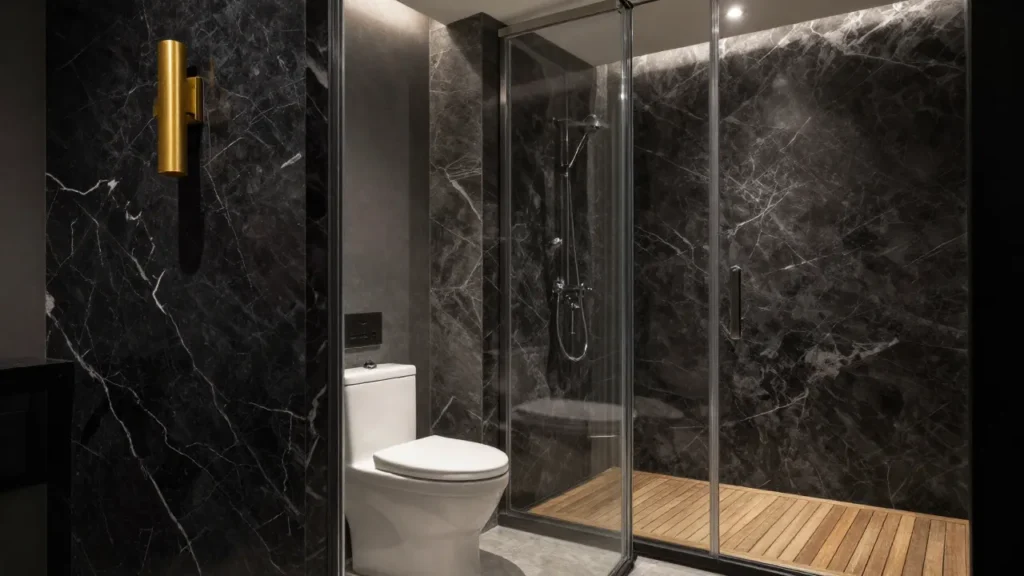
A Trusted Manufacturer of Acrylic Shower Wall Panels
Duolong Trade manufactures acrylic shower wall panels for residential bathroom upgrades and commercial washroom fit-outs. Our customers include building material wholesalers, regional distributors, importers, bathroom retailers, and contractors who need a wall lining solution that looks clean and modern, is easy to handle on site, and installs quickly with predictable results. Acrylic shower wall panels are commonly specified for shower enclosures, tub surrounds, hotel bathrooms, serviced apartments, rental property renovations, and other wet-area applications—especially where installation speed, low maintenance, and consistent surface appearance matter.
Our acrylic shower wall panels are produced with a stable panel structure (configured by project requirement) and a smooth acrylic surface designed for everyday wipe-clean maintenance. The finished surface is intended to deliver a uniform look with consistent gloss and color, supporting repeatable outcomes across multi-room projects and rollout programs. We supply multiple surface options and project-friendly formats, including full-size panels and cut-to-size programs for distributors and project buyers.
For shower wall specifications, buyers typically focus on practical details: how cleanly the panel cuts, recommended edge and corner finishing options, how it performs with common adhesives and sealants, and how the surface holds up under routine cleaning in wet environments. Consistency is also a key requirement—both for color matching across panels and for repeat procurement. We run routine production checks and maintain batch records to help support reorders and multi-phase projects.
When your team needs documentation for approvals and procurement, we can provide an export documentation package, including product datasheets, packing lists, and available third-party test/report files depending on the exact panel configuration and destination requirements. We also provide straightforward English installation notes and basic handling guidelines, helping your sales and technical teams respond efficiently to installer and project-owner questions.
We support OEM/ODM programs for distributors, including size customization, surface selection, sampling, and private-label packaging. Export packing is planned around container loading with corner/edge protection to help reduce transit damage. If you are sourcing acrylic shower wall panels for wet-area wall cladding, Duolong Trade can recommend suitable panel options by application, arrange samples for review, and confirm lead times based on your order volume and shipping schedule.
Products
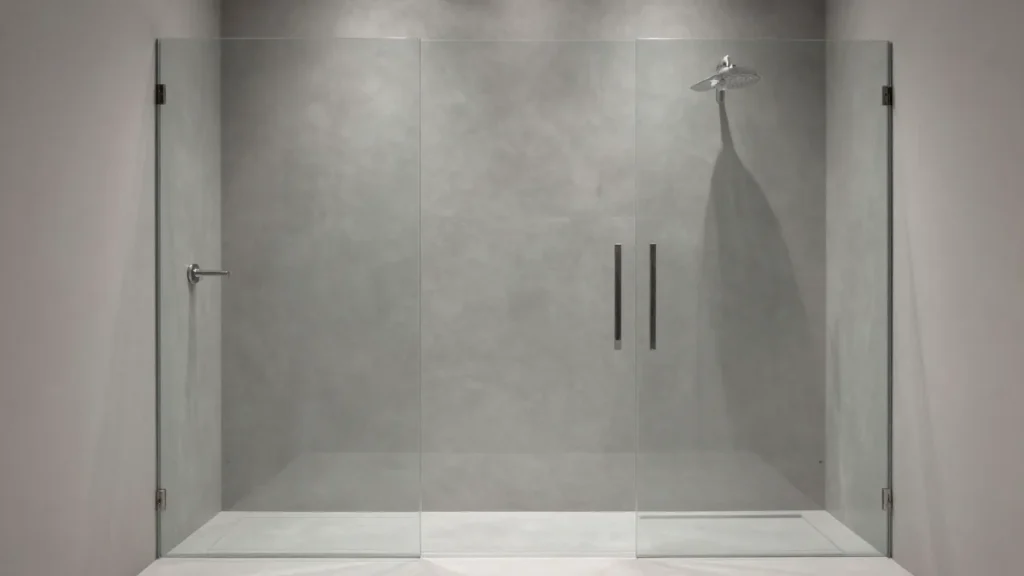
Minimalist Gray Solid Acrylic Shower Wall Panels
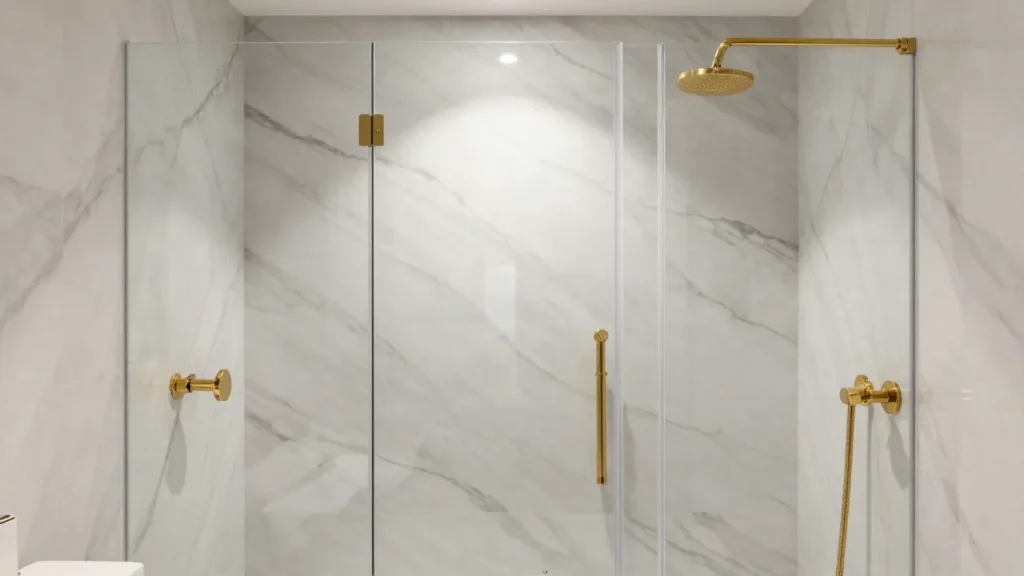
Luxury Marble Vein Acrylic Shower Wall Panels
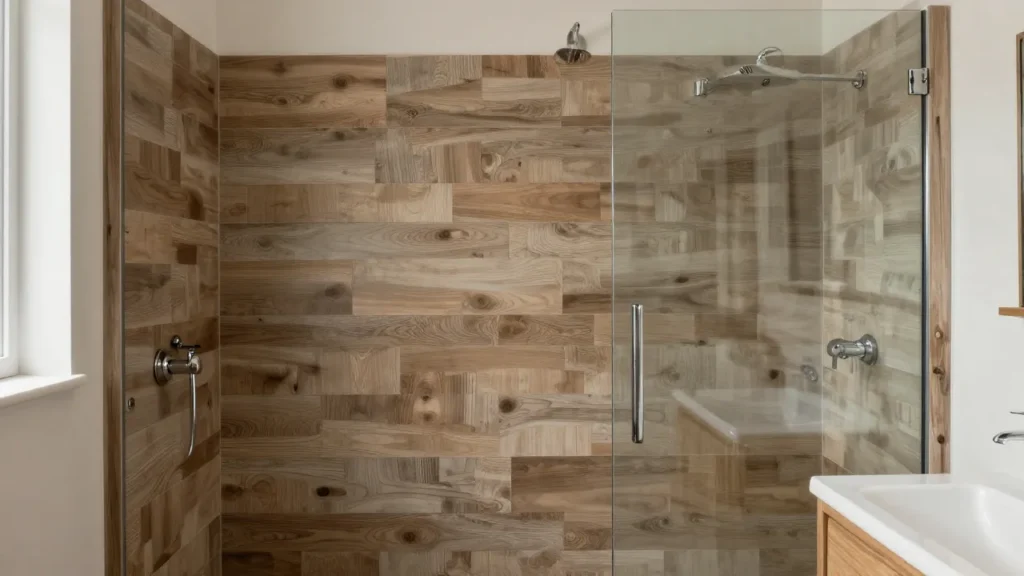
Warm Wood Grain Acrylic Shower Wall Panels
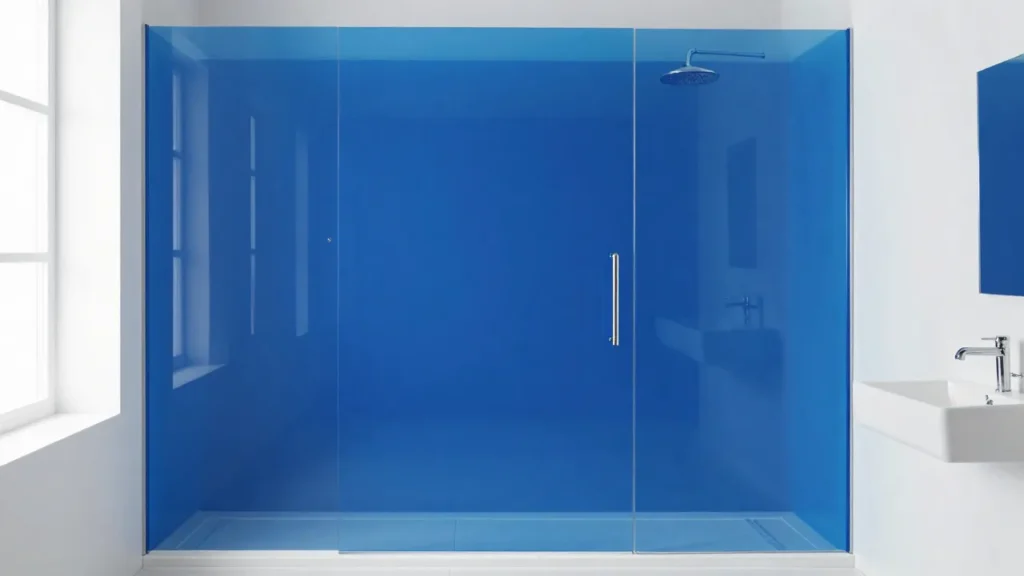
Bold Blue Modern Acrylic Shower Wall Panels
Our Advantages

Engineered Acrylic Wall Systems for Wet-Area Interiors
Duolong Trade manufactures acrylic shower wall panels designed for bathrooms and other hygiene-sensitive interiors where a sealed, non-porous surface is preferred. Compared with tile-heavy solutions, acrylic panels help reduce grout-related maintenance and deliver a cleaner, more uniform wall appearance. Options include high-gloss, satin, and matte surfaces to match different project styles.
How We Build Panels That Install Cleanly
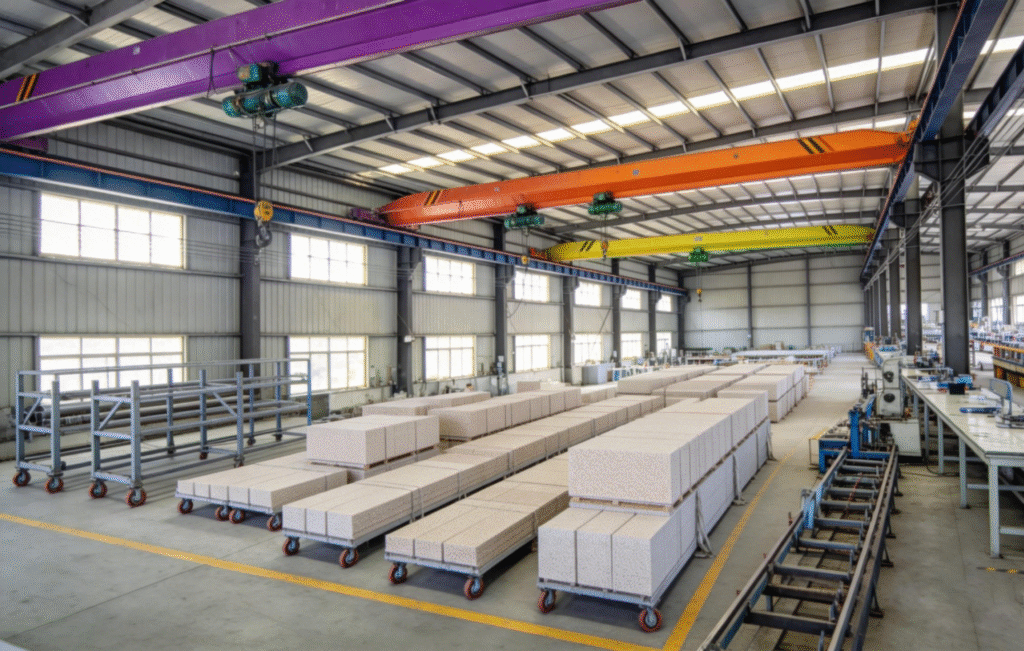
Instead of focusing only on raw sheet output, we design the panel as an installation-ready wall system. Production typically includes material verification, controlled surface conditioning, precision CNC cutting, edge shaping, corner radius options, and protective film application. Where required, we support pre-cut layouts for mixers, niches, shower valves, or accessory zones, helping installers reduce on-site rework and keep edges neat.
Performance Priorities: Water Resistance, Cleanability, and Visual Consistency
For shower surrounds and tub surrounds, buyers usually care about three things: water exposure tolerance (supported by a proper sealing strategy and correct detailing), daily cleanability (a smooth acrylic surface that wipes easily), and appearance stability (consistent gloss level and color across batches). To support these needs, we manage flatness, surface finish control, and batch-to-batch color checks for project continuity, especially important for hotels, multi-unit housing, and chain retail restrooms that require repeatable results.
Built for Renovation Schedules and Large-Format Coverage
Acrylic shower wall panels are often selected for time-sensitive renovations where downtime must be minimized. Large panels can reduce seams and speed up wall coverage when substrates meet bonding and flatness requirements. We also provide matching finishing solutions such as trims and corner profiles so transitions look intentional rather than patched.
why choose us
Seam-reduced shower surrounds with a smooth acrylic finish
Duolong Acrylic Shower Wall Panels are built to create a clean, modern shower surround with fewer visible joints than small-format tile. Made from sanitary-grade acrylic panel constructions (model-dependent), they provide a sleek wall surface for bathrooms, guest suites, rental upgrades, and hotel-style residential remodels—especially where a bright, uniform look is preferred.
Designed for wet areas and everyday bathroom cleaning
Bathrooms demand materials that handle frequent water exposure and routine wipe-downs. Acrylic panels offer a non-porous, easy-clean surface that helps minimize soap-scum buildup points compared with grout-based wall systems. With correct sealing at edges and corners, the wall surface supports long-lasting appearance in shower zones, tub surrounds, and vanity splash walls.
Faster installation with fewer “wet trade” steps
For renovation schedules, acrylic shower wall panels can simplify the workflow by reducing cutting, grouting, and extended curing steps typical of traditional finishes. When the substrate is prepared to meet flatness and bonding requirements, installers can achieve a cleaner finish with less dust and fewer rework points—well-suited for occupied-home upgrades and multi-unit turnover projects.
Finish options that match modern bathroom styles
Beyond plain white, we offer a range of looks for different design directions, including solid colors, stone-inspired patterns, and contemporary textures (availability depends on the collection). Surface choices can include high-gloss or matte-style finishes, helping designers coordinate walls with fixtures, cabinetry, and hardware for a more integrated bathroom aesthetic.
Sizes, thickness options, and project-friendly supply formats
We supply common panel formats used for shower walls, including 4’ × 8’ (1220 × 2440mm) panels, 1220 × 2800mm height options (selected models), and cut-to-size programs for project orders. Thickness and edge-finishing configurations can be tailored to your installation method and local trade preferences, with matched trims and corner solutions available to complete the system.
Samples, layout guidance, and selection support
Sampling is available so you can confirm color tone, surface finish, and overall visual effect before mass production. If needed, we can also suggest practical detailing approaches for corners, end caps, and cutout planning (such as mixer/valve areas), helping reduce site uncertainty and improve final fit-and-finish.
Quality system control, export packaging, and repeat-order consistency
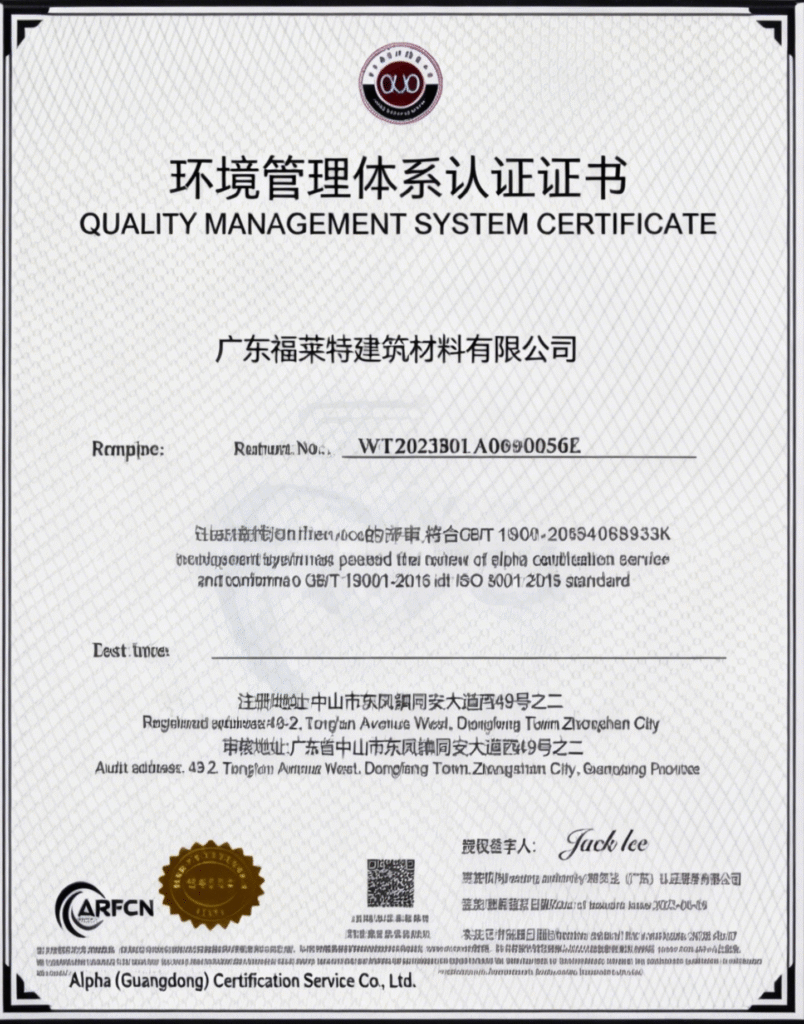
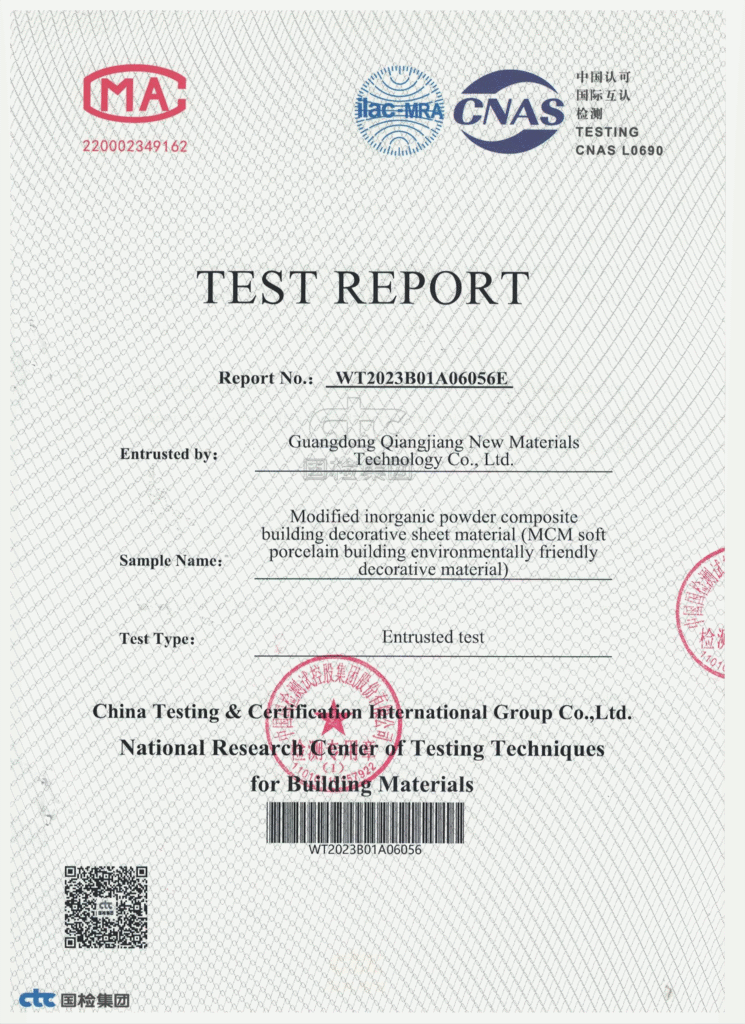
Production is managed under an ISO 9001:2015 quality system with batch checks focused on dimensional tolerance, surface quality, and appearance consistency. Panels are shipped with protective film and reinforced export packing to reduce transit damage. For compliance and project submittals, we can support documentation preparation and arrange third-party testing coordination when required by the destination market and product configuration.
FAQ
Where are acrylic shower wall panels typically used?
They are commonly used for shower surrounds, tub surrounds, and vanity splash walls in residential bathrooms, rentals, hotels, and multi-unit renovation projects where fast turnaround and a clean finished look are important.
What are the main benefits vs. ceramic tile?
Acrylic panels can offer larger coverage with fewer seams, a more uniform appearance, and easier day-to-day cleaning since there is less grout-related maintenance compared with many tile systems.
Are acrylic shower wall panels waterproof? Can they be used in wet zones?
The panel surface is non-porous, but system waterproofing depends on correct installation—including proper substrate prep, adhesive selection, edge/corner sealing, and sealing around penetrations (valves, mixers, shower heads). With correct detailing, they are suitable for wet areas.
Can panels be installed over existing tile or old walls?
In many cases, yes—if the surface is sound, flat, clean, and dry, and compatible with the chosen adhesive. If existing tile is loose, hollow, or uneven, remediation or an overlay backer may be needed for reliable bonding.
What sizes are available? Do you offer cut-to-size?
Common supply formats include 4’ × 8’ (1220 × 2440mm) panels, with 1220 × 2800mm height options on selected models. We also support cut-to-size programs for project orders to reduce on-site cutting.
What finishes are available, and how scratch-resistant are they?
Finish options may include high-gloss and matte/satin surfaces, depending on the collection. Scratch resistance varies by structure and surface specification; for best results, use non-abrasive cleaning tools and avoid scouring pads.
How do I clean and maintain acrylic shower wall panels?
Wipe with a soft cloth and mild, non-abrasive cleaner. Rinse and dry as needed to reduce water spotting. Avoid harsh abrasives and strong chemical cleaners unless they are confirmed compatible for the specific panel series.
What trims or accessories are recommended for corners and edges?
Typical solutions include inside/outside corner trims, end caps, and coordinated profiles (PVC or aluminum, depending on the project). Proper trim selection and sealing help improve both appearance and moisture protection at transitions.
Do you support OEM/ODM and private-label packaging?
Yes. We can support custom sizes, thickness options, colors/looks (by collection), cutouts/layouts (project-based), and private-label cartons for importers, distributors, and contractors.
How do you manage quality consistency and export packing?
Production is managed under an ISO 9001:2015 quality system, with batch checks focused on dimensions, flatness, and surface appearance consistency. Panels are shipped with protective film, corner protection, and reinforced export packaging to reduce transit damage.
Transaction Process

Inquiry and requirement confirmation
Confirm application (interior/exterior), sizes, finishes/colors, quantity, destination, and any accessory needs. Align on technical requirements such as substrate condition, climate exposure, and curved-surface needs.
Quotation, samples, and approval
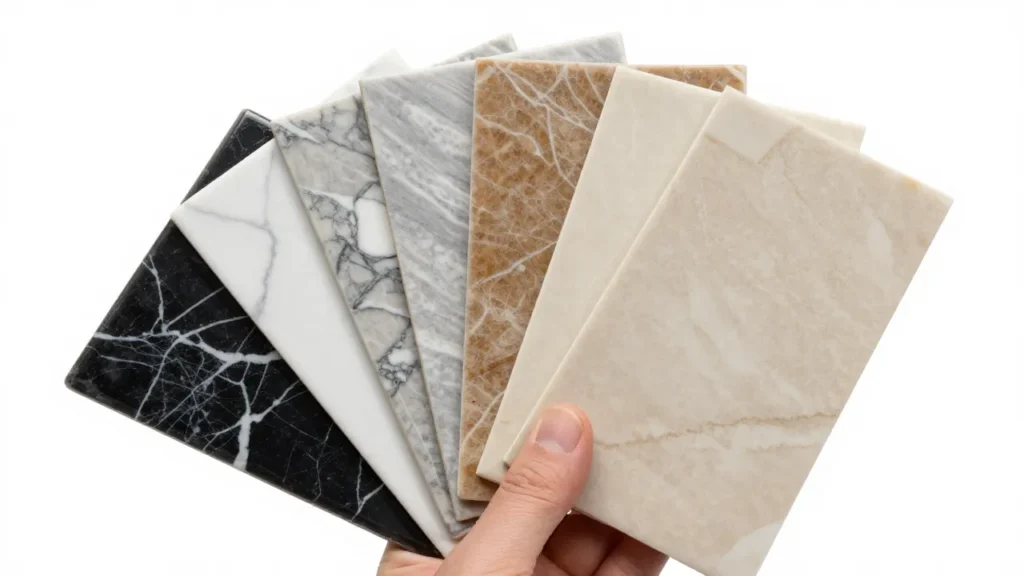
Issue a formal quotation with product options, lead time, and Incoterms. Provide samples for color/texture confirmation. Finalize specifications based on approved samples as the acceptance benchmark.

Order placement, payment, and production
Confirm the order via Proforma Invoice (PI), arrange the agreed payment, and schedule production. Maintain batch control and quality inspection during manufacturing and pre-shipment packing checks.
Shipment, documents, and after-sales support
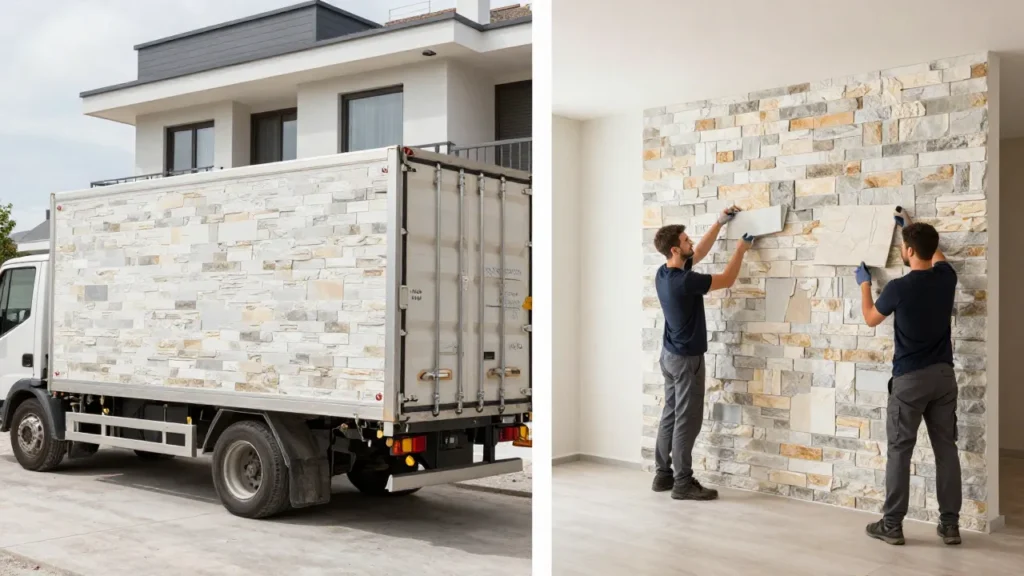
Arrange shipping (FCL/LCL/air), provide export documents (invoice, packing list, B/L or AWB, and other required certificates), support customs clearance coordination, and handle receiving inspection, claims, replacements, and installation support.
Table of Contents
Plan Wet And Dry Shower Wall Zones
Acrylic shower wall panels perform best when you divide the bathroom into exposure zones instead of treating every wall the same. Identify the direct spray zone (shower head reach and body spray areas), the splash zone (near tub rims and near the shower entry), and the dry zone (vanity returns, toilet wall, decorative sections). This zoning determines how conservative your detailing must be and where extra sealing is mandatory.
In wet zones, plan for continuous water management at inside corners, the bottom edge transition to a shower base or tub deck, and every penetration. In splash zones, the wall may not be soaked constantly, but repeated cleaning water can still migrate into unsealed joints over time. In dry zones, impact and appearance dominate, yet you still want clean terminations so humidity and occasional wipes do not creep behind the panels.
For projects with multiple bathrooms, create one standard “wet wall detail” and repeat it consistently. A small mockup using the actual adhesive, trims, and sealant under real lighting is a low-cost way to confirm seam visibility, trim fit, and the final look before full rollout.
Build A Complete Panel Sealing Trim System
Treat acrylic panels as part of a complete assembly: panel plus adhesive plus trims plus sealants. Long-term performance usually fails at interfaces, not in the middle of a sheet. Decide early whether your design uses a trim-based system, a controlled sealant joint system, or a hybrid approach, then keep it consistent so the finished wall looks intentional.
Define how you will handle inside corners, outside corners, exposed ends, and transitions to other materials such as tile, painted drywall, glass enclosures, or metal frames. Standardize one trim family and color so installers do not mix profiles that create uneven reveals. Also define where sealant is required and where it is not, because overusing sealant can look messy and collect soap residue, while underusing it can allow moisture intrusion.
If the job involves hotels or multi-unit renovations, write a short installation standard: joint method, trim types, sealant color, tooling method, and inspection checkpoints. That small document is often what separates repeatable quality from “crew-by-crew” results.
Verify Substrate Flatness Strength And Moisture Levels
Acrylic panels will only look as good as the wall behind them. Large-format sheets make wall waves visible as shadows, and uneven areas can cause seams to step or open. Before bonding, confirm the substrate is flat, rigid, clean, and stable enough to carry the panel system without movement.
Renovation sites need extra scrutiny. Old paint can be weak, chalky, or contaminated by bathroom aerosols. Existing tile may look fine but still have hollow spots. Gypsum repairs may still be cured, and dust from sanding can destroy adhesion. Remove unstable layers instead of “gluing over problems,” then patch and level with compatible materials.
Moisture control is equally important. Bathrooms hide slow leaks around plumbing and failed caulking at tubs. If the wall is damp or unstable, the bond line becomes the failure point and you may see bubbling, edge lift, or localized delamination later. A basic routine of straightedge checks, surface soundness checks, and moisture screening before installation prevents most call-backs.
Detail Plumbing Cutouts Niches And Accessory Mounting
Cutouts are the highest-risk details because they combine water exposure and stress concentration. Plan the exact positions of valves, mixers, diverters, shower heads, and hand shower bars before panels are cut. Keep openings precise so trim plates cover cleanly without relying on oversized holes hidden by sealant.
For niches and shelves, define the construction method and the waterproof transition detail. A niche is not just a “hole in the wall”; it is a set of corners that must resist standing water and constant cleaning. If the project includes grab bars, shower seats, glass hinges, or heavy accessories, do not depend on the panel alone for structural support. Provide appropriate backing or blocking so fasteners load the wall structure, not the sheet.
Also plan the sequence of work. Many installation issues come from last-minute plumbing changes after panels are already cut. A pre-install verification step with the plumbing rough-in reduces rework, patching, and visible compromises.
Allow Movement With Smart Joint Layout Planning
Bathrooms experience daily temperature swings and humidity cycles. Acrylic can move slightly, and if the layout has no movement strategy, stress concentrates at corners, long continuous runs, and around openings. That stress can show up as seam changes, corner stress marks, or edge lift over time.
Start by designing a layout that avoids thin slivers at ends and avoids placing seams near the corners of cutouts where cracking risk is higher. Keep joint widths consistent and align seams with visual cues such as plumbing centerlines, niche edges, or the glass enclosure frame, so joints look like a design choice. In rooms with strong side lighting, be more conservative because grazing light exaggerates any step, waviness, or irregular spacing.
Do not try to “force perfection” with extremely tight joints if the substrate is not perfect. A controlled, repeatable joint strategy typically looks cleaner and ages better than a tight fit that depends on flawless walls and flawless cutting.
Protect Corners Edges For Long Term Finish
Corners and edges are where shower surrounds get damaged first. Outside corners see impact from elbows, shower doors, baskets, and cleaning tools. Exposed edges can chip or show wear if left unprotected. Choose edge protection based on traffic level, user type, and the cleanliness standard required for the project.
For a premium look, use straight, consistent corner profiles and keep reveals uniform from floor to ceiling. For high-use environments such as rentals and hotels, prioritize stronger protection at outside corners and at the shower entry edge where contact is frequent. At the bottom edge near tubs and shower pans, use a termination detail that discourages standing water and is easy to wipe dry.
Plan these details before ordering so the trims, sealant color, and panel layout all match. Edge decisions made on site tend to create uneven lines and inconsistent finishes between rooms.
Set Cleaning Rules And Chemical Use Limits
Acrylic walls are chosen for easy maintenance, but the surface can still be dulled or scratched by aggressive cleaners and abrasive pads. Set clear cleaning guidance before turnover, especially for hospitality and property management where multiple staff follow standardized routines.
Specify mild, non-abrasive cleaners and soft cloths as the baseline. Discourage abrasive powders, scouring pads, and harsh solvents unless they are confirmed compatible with the specific panel series. If disinfecting protocols are required, define approved products and practical use rules such as avoiding prolonged dwell time on the surface and rinsing after cleaning to reduce residue buildup.
Also define what “acceptable maintenance” looks like: frequency, tools, and what to do with soap scum and hard water deposits. Clear rules reduce premature wear and prevent disputes that are actually maintenance-related rather than product-related.
Control Ordering Packing Storage And Site Handling
Consistency starts at the ordering stage. Lock the specification for finish, color, thickness, panel size, trims, and joint method, so reorders match and phased projects stay visually consistent. Approve a reference sample under real bathroom lighting and keep it as the benchmark for future batches.
On receipt, inspect panels before installation while sorting is easy. Check for edge damage, surface marks, and finish uniformity, and store panels flat, dry, and protected to prevent warping or corner crush. Plan the site handling route so panels are not dragged through tight corridors, leaned on corners, or left near ongoing wet trades.
For multi-room projects, label cartons by room or wall zone and stage material in installation order. This reduces mix-ups, speeds installation, and helps quality control teams confirm that the right panels and trims go to the right locations.